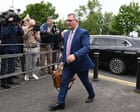
Albanian Prime Minister Edi Rama has flatly refused to resign despite months of street demonstrations that escalated in October 2026 into violent clashes led by university and high school students across Tirana and other cities. Having governed since 2013, Rama insists that governments change through elections rather than street ultimatums.
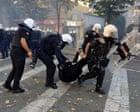
Students marched on the Ministry of Education in mid-October, turning months of quieter civic anger into a street confrontation marked by tear gas, barricades, fires, and hundreds of arrests. Their grievance is not a single policy tweak. It is a collision between a shrinking domestic future for young Albanians and a state development model that looks built for foreign capital and entrenched insiders. In other updates, read about: The Anatomy of Institutional Blindness in Child Protection Failures.
How Coastal Anger Became a Youth Revolt
Street protests did not appear out of nowhere in October. For months prior, demonstrators rallied under the banner of the "Flamingo Revolution," named after the birds inhabiting the Narta lagoon area near Zvërnec and Sazan island. Plans for high-end luxury tourism developments tied to Jared Kushner drew fierce pushback over coastal privatization, environmental protection, and land deals facing scrutiny over suspected forged deeds.
Environmental pushback quickly merged with pocketbook frustration. Rising living costs, low local wages, and a sense that the coastline was being packaged for outside wealth collided with daily realities in Tirana. When students stepped to the front on October 13, the anger gained an organized, restless core. The Guardian has provided coverage on this fascinating topic in great detail.
To many young demonstrators, the dispute over coastal resorts was a mirror of their own lives: expensive cities, scarce quality jobs, and decisions made behind closed doors.
A counter-argument from the government side is that Albania badly needs foreign investment, modern infrastructure, and high-value tourism to lift GDP and create employment. Supporters of Rama's approach argue that halting major projects stalls economic modernization and slows Albania's push toward European Union integration.
That argument rings hollow to students living in cramped dormitories with steep tuition and dim post-graduation prospects. Having a university degree does not guarantee a livable salary at home, which keeps emigration high on every student's mind.
Corruption Scandals and Broken Trust
Street fury rarely boils over over tuition fees alone. It boils over when young people believe the rules are rigged from top to bottom.
In September 2026, the suspension and house arrest of intelligence chief Vlora Hyseni over alleged ties and leaks involving organized crime figure Ergys Agasi hit public confidence hard. For a generation already skeptical of state institutions, the affair reinforced a dark suspicion that political power and illicit networks operate too close to one another.
Institutional credibility is the real casualty. When students look at headlines about alleged corruption, land controversies, and heavy-handed policing, official assurances about European standards sound like slogans rather than reality.
The Gap Between Rhetoric and Reality
Rama has long positioned himself as a decisive reformer steering Albania toward Brussels. Yet critics and protesters point to legal changes on protected areas, cultural heritage, and strategic investments that appear to speed up state-backed projects while sidestepping public pushback.
Over thirteen years in power, a leader's strengths often calcify into liabilities. What once looked like firm executive drive now reads to many young citizens as stubbornness and concentrated authority.
| Pressure Point | What Protesters Emphasize | Government Position |
|---|---|---|
| Resignation Demand | Thirteen years in office and deep distrust warrant stepping down or forming a transitional setup. | Governments belong to ballot boxes, not street ultimatums. |
| Coastal Resorts | Threatens protected ecosystems, public access, and fair land governance. | Brings investment, jobs, and international profile to Albania. |
| Higher Education & Jobs | High costs, poor student living conditions, and weak entry-level pay push youth abroad. | Open to discussing education concerns while opposing disorder. |
| Policing & Protests | Reports of heavy force, arrests including minors, and tight protest rules. | Police must protect public buildings, order, and safety. |
Why Dialogue Keeps Collapsing
Offering talks sounds reasonable on paper. In practice, Rama's outreach has run straight into a wall of mutual distrust.
When authorities set out chairs or blocks labeled for dialogue during demonstrations, protesters rejected the gesture outright, viewing it as political theater rather than real compromise. When demonstrators demand a prime minister's exit upfront and the prime minister treats resignation as off-limits, neither side has room to maneuver.
Violence complicates the moral ground for everyone. Petrol bombs, smashed storefronts, and burned property give the government an easy reason to lump all demonstrators together as vandals. At the same time, tear gas, water cannons, and mass arrests—including cases involving minors and international scrutiny over police tactics—feed the exact anger the state wants to quiet.
Consider a hypothetical example: Imagine a university student who starts out marching peacefully for cheaper dorms and cleaner beaches. After seeing classmates arrested and reading about high-level scandals, that student becomes far less interested in minor budget tweaks and far more focused on systemic accountability.
What This Standoff Means for Albania
A prime minister can outlast street protests in the short term, especially with state machinery and a parliamentary majority intact. Staying in office, however, is not the same as governing a calm country.
The deeper risk is quiet exhaustion. If peaceful students conclude that street pressure changes nothing and ballot-box alternatives feel uninspiring, many will simply pack bags and look for work abroad—leaving Albania with fewer of the skilled young people it claims to need for its future.
With major national dates approaching at the end of November and organizers signaling more rallies, the standoff is testing whether Tirana can address economic and institutional grievances before street friction becomes a permanent feature of Albanian politics.