The glow of a trading terminal at four in the morning isn't just light. It is a soft, rhythmic pulse, the heartbeat of a world that refuses to sleep because it is terrified of missing the moment the future actually arrives. For months, that pulse has been accelerating.
In a small apartment in Chicago, a trader named Elias—let’s call him that, though he represents thousands just like him—stares at a screen where the numbers have stopped behaving like math and started behaving like adrenaline. The S&P 500 and the Nasdaq are shivering near record highs. It isn’t the usual optimism of a healthy economy that is driving this. It is something deeper. It is the scent of a massive, tectonic shift in how the world operates.
At the center of this storm sits a single name: Nvidia.
The Silicon Soul
To understand why a chipmaker can make the entire global market hold its breath, you have to stop thinking about "hardware." Think instead about the nervous system of everything we are about to build.
When Nvidia’s stock surges, it isn't just a line going up on a chart. It is a collective vote of confidence in the idea that human intelligence has found its digital mirror. We are no longer just selling tools; we are selling the capacity for thought.
Consider the sheer scale of the energy involved. These chips, the H100s and their successors, are the bricks and mortar of a new kind of empire. Every time the stock ticks upward, it reflects a reality where every major corporation on earth is terrified of being the one left behind in the analog age. Elias watches the pre-market data. He sees the buy orders flooding in. It feels less like finance and more like a gold rush where the gold is actually alive.
But there is a shadow falling across the silicon. It is a shadow cast by two men who are currently preparing to sit across from each other at a table.
The Summit of Modern Gods
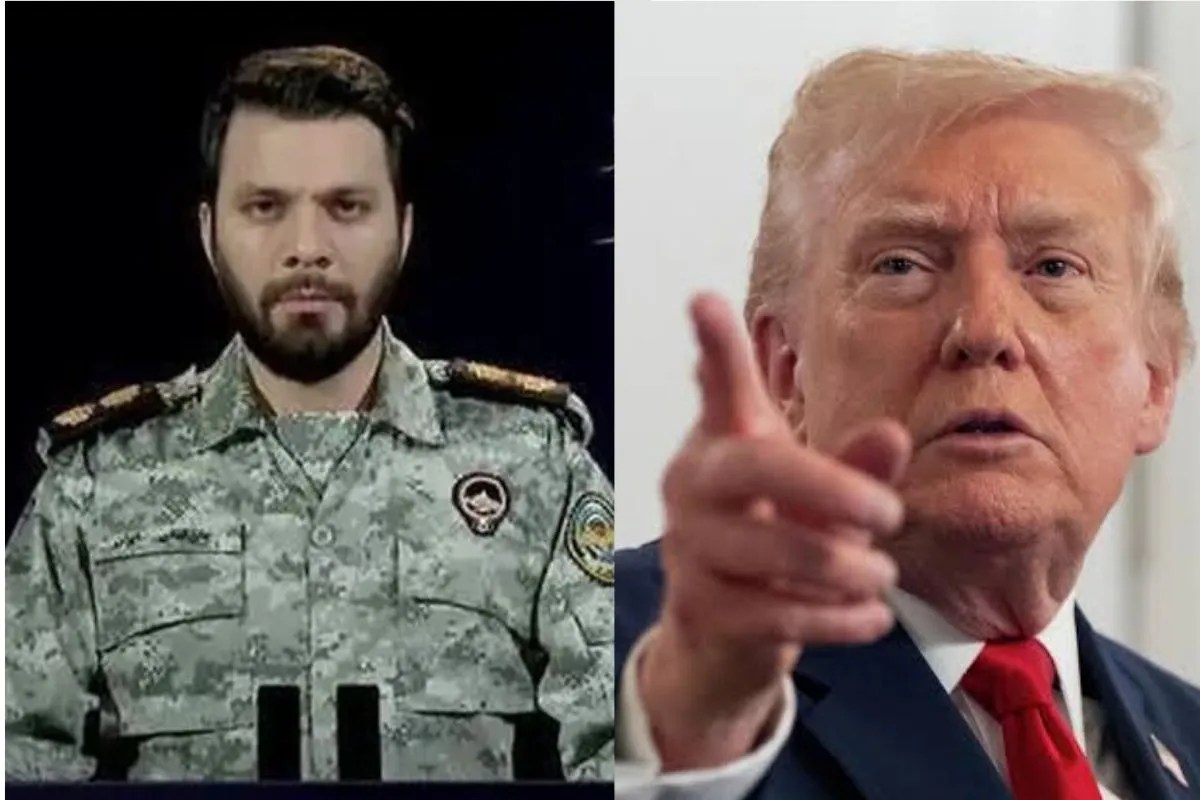
Donald Trump and Xi Jinping are not just politicians in this context. They are the gatekeepers of the raw materials that make the AI dream possible.
The upcoming summit has turned the "AI spotlight" into a high-voltage searchlight. While the markets hover at these dizzying heights, there is a palpable sense of vertigo. Everyone knows that the most sophisticated neural network in the world is still subject to the whims of a trade agreement or a sudden tariff.
Imagine the room where they will meet.
It will be quiet. The air will be thick with the kind of tension that only exists when the stakes are measured in trillions of dollars and the technological destiny of the next century. On one side, you have an American administration focused on dominance, protectionism, and the frantic desire to keep the "brains" of AI on Western soil. On the other, a Chinese superpower that views AI as the ultimate equalizer, the tool that will finally tip the scales of global influence.
They aren't just talking about soy or steel. They are talking about who gets to own the future’s mind.
The Invisible Stakes
If you are Elias, sitting in the dark in Chicago, the "Trump-Xi summit" isn't a headline. It is a risk profile.
The market is currently pricing in a miracle. It assumes that Nvidia will keep producing, that the supply chains through Taiwan will remain open, and that the two largest economies on the planet will find a way to coexist in a world where data is more valuable than oil.
But history is rarely that clean.
The tension in US futures right now is the tension of a spring wound too tight. We are at record highs because we believe in the technology. We are "hovering" rather than soaring because we are rightfully afraid of the humans in charge of it.
The chips are a marvel of engineering. They can process billions of parameters in the blink of an eye. They can write poetry, diagnose disease, and optimize the very power grids that sustain us. Yet, they are powerless against a signature on a piece of paper in a summit room.
The Mirror in the Machine
There is an irony in our obsession with AI. We are building machines to be more logical, more efficient, and more "intelligent" than we are, yet the value of those machines is entirely dependent on the most illogical, inefficient, and unpredictable thing in existence: geopolitics.
Elias takes a sip of cold coffee. He looks at a hypothetical scenario on his secondary monitor. If the summit goes poorly—if the rhetoric turns to "decoupling" or if AI export controls are tightened even further—the record highs he sees today will look like a beautiful, fragile soap bubble.
The "AI spotlight" mentioned in the news is actually a mirror. It is reflecting our own anxieties back at us. We are staring at Nvidia’s charts and seeing our hope that technology can outrun our old-world conflicts. We want the "surge" to be permanent. We want the "record highs" to be the new floor.
But the floor is made of silicon, and the silicon is trapped between two giants.
The Ghost in the Market
The numbers keep flickering. Green. Red. Mostly green for now.
The "human element" of the stock market is often dismissed as "sentiment." That is too clinical a word. It is actually yearning. It is the collective desire of millions of people to believe that we are on the cusp of a Renaissance rather than a collapse.
When we talk about "US futures," we are literally talking about the future of the United States and, by extension, the connected world. These aren't just tickers. They are the tallied hopes of pension funds, the savings of parents, and the R&D budgets of companies trying to cure cancer.
If the summit produces a "thaw," the surge will become a stampede. If it produces a "frost," the descent will be quiet at first, then deafening.
The chips don't care. The AI doesn't have a side. It doesn't know if it’s running in a data center in Virginia or a facility in Shenzhen. It just processes. It executes the code it is given.
We are the ones who provide the drama. We are the ones who turn a piece of etched sand into a symbol of national security.
The Last Seconds of Silence
Elias hears the city waking up outside. The distant rumble of a train. The first few cars on the street.
In a few hours, the opening bell will ring. The "hovering" will end, one way or another. The world will decide if it believes the story of Nvidia more than it fears the story of the trade war.
We often think of the economy as a vast, impersonal machine. It isn't. It is a conversation. Right now, that conversation is a whisper, a bated breath held by everyone from the high-frequency algorithms to the guy in the Chicago apartment.
We are all waiting to see what happens when the two men at the table finally speak.
The screen flickers again. A new trade comes in. The price of the future just went up by five cents.
Elias leans back, his face washed in the blue light of a trillion-dollar gamble, waiting for the sun to rise on a world that might look very different by noon.
The hum of the computer fans fills the room. It is the only sound in the house, a small, mechanical echo of the massive, invisible power currently shifting beneath our feet.