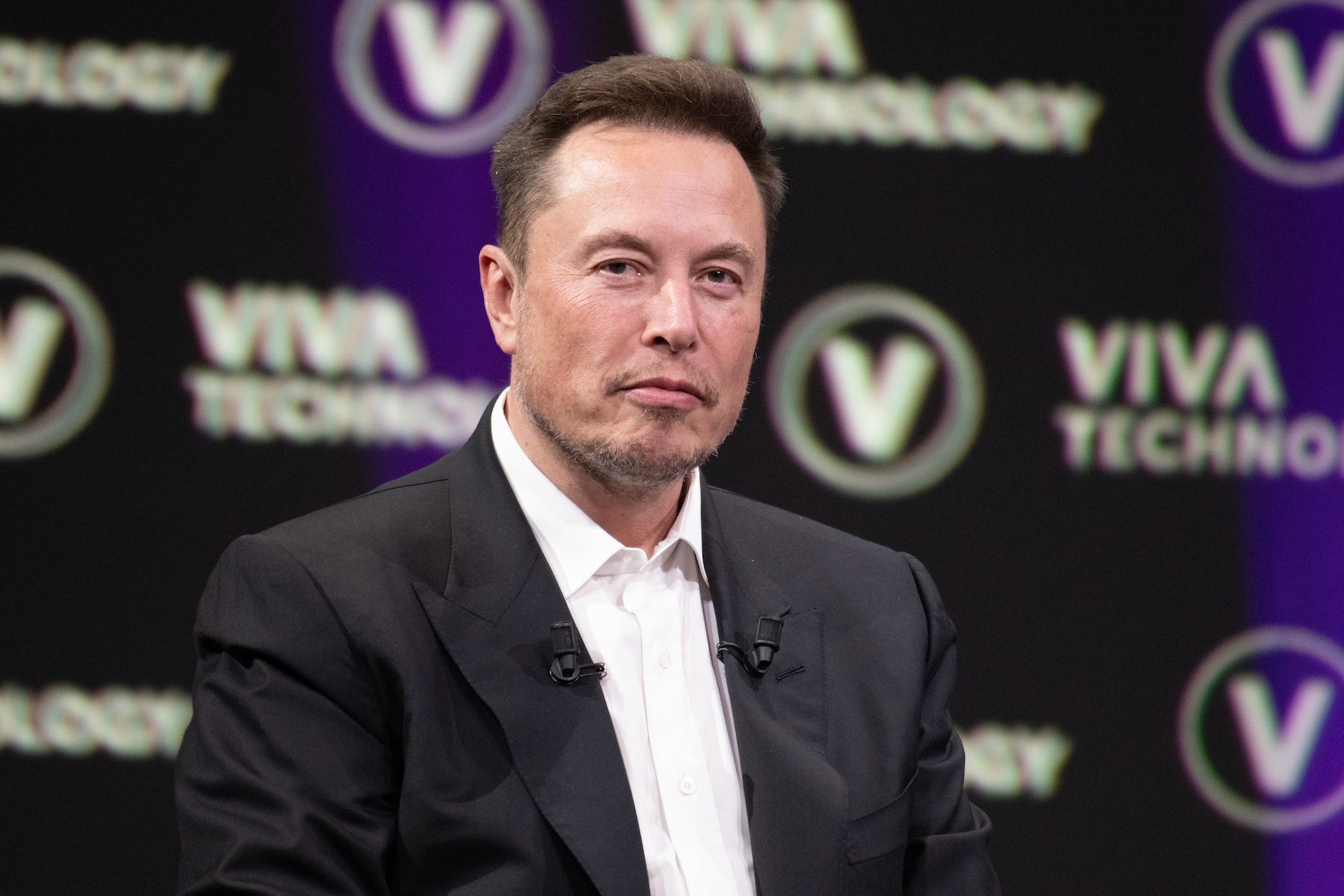
Elon Musk pushed his 2026 midterm donations close to $450 million with a late $77 million infusion into his super PAC. Yet the money did not save Republican control of Congress or his prized allies in Texas.
Across two decades of watching billionaires buy political influence, I have rarely seen a checkbook move so fast and hit a wall quite so hard. By mid-October, Federal Election Commission disclosures showed Musk had contributed roughly $445.6 million to $445.8 million—and broader tallies including state and corporate-linked flows pushed estimates even higher—making him the largest single-cycle individual political donor in modern U.S. history. Earlier in 2025, Musk had suggested he was stepping back from massive political outlays. Instead, he spent roughly 84% more in the 2026 midterms than he did during the 2024 presidential cycle. You might also find this related article interesting: Why Putin Rejects a Truce and Demands a Final Ukraine Deal.
Headlines about another $77 million injection treat the figure like a closing hammer. Look closer at the arithmetic and the political reality on the ground, and it reads more like a high-stakes salvage operation colliding with voter fatigue.
Why Another $77 Million Couldn't Override Voter Pushback
Super PAC cash buys reach. It does not manufacture enthusiasm when voters feel squeezed on everyday costs. As reported in detailed articles by NPR, the effects are worth noting.
When a donor drops tens of millions of dollars into a super PAC in the final stretch of a cycle, the money typically goes into television spots, digital ads, mailers, and field canvassing in contested districts. In a low-information race, that volume can drown out an opponent. In a wave election driven by frustration over prices, living expenses, and dissatisfaction with Washington's direction, saturation often breeds annoyance instead of persuasion.
Consider a hypothetical example of diminishing returns in a swing district. Suppose a super PAC already has enough cash on hand to air an attack ad twenty times a day in every local household. Adding another $77 million across the map increases frequency, not necessarily credibility. Once voters tune out repetitive messaging, extra ad impressions cost more per persuaded voter and risk turning the mega-donor himself into part of the story.
That is precisely what happened in 2026. Democrats flipped both chambers of Congress. Even in Texas—home base for Musk's flagship companies and the focal point of massive Republican spending—voters delivered a jolt, with Democrat James Talarico defeating Texas Attorney General Ken Paxton in the U.S. Senate race and Democrat Gina Hinojosa unseating Republican Governor Greg Abbott. Musk later told Andrew Ross Sorkin at The New York Times' DealBook Summit that he felt "pretty foolish" about spending so much money without seeing much to show for it.
Where the Money Actually Went and What It Bought
Tracking Musk's political wallet requires looking past a single headline number to see how funds moved across committees. FEC filings through mid-October showed hundreds of millions flowing into America PAC—the super PAC Musk founded in 2024 to bankroll ground operations and targeted campaigns—alongside huge transfers to major party-aligned groups such as the Senate Leadership Fund and the Congressional Leadership Fund.
| Spending Dimension | Reported Scale & Pattern | Practical Political Impact |
|---|---|---|
| Total 2026 Cycle Giving | Roughly $445.6M–$458M in tracked PAC/committee totals (higher in some broader tallies) | Largest individual single-cycle donor in modern U.S. history, yet less than 0.05% of Musk's ~$900B+ net worth |
| Texas Senate Battleground | Over $200M linked to Musk's broader effort backing Ken Paxton in a race topping $560M total | Could not stop James Talarico from winning and turning Musk's influence into a campaign liability |
| Congressional & State Committees | Major infusions into Senate, House, gubernatorial, and state AG committees | Democrats still captured both chambers of Congress and key statewide posts |
From a purely financial standpoint, even $450 million represents a tiny slice of a fortune estimated around $900 billion or more. A billionaire can write a nine-figure check without feeling a pinch in daily liquidity.
Politically, though, high-visibility spending carries a steep hidden tax. Opponents don't just attack the candidate; they tie the candidate to the billionaire's name, corporate tax breaks, land and resource disputes, and perceived political clout. In Texas, challengers framed the contest around everyday families versus concentrated wealth and insider influence—a message that resonated far more strongly than extra super PAC ads.
The Business Backlash Behind the Ballot Box
Campaign finance analysts often measure a donor's return by counting how many endorsed candidates win on election night. For an industrialist running capital-intensive companies like Tesla and SpaceX, the real ledger extends into regulatory posture, state incentives, and public brand equity.
When a dominant political coalition loses power, the calculus shifts overnight. Incoming majorities in Congress and state capitals gain subpoena power, oversight committees, and leverage over subsidies, permitting, and contracts. Even where Musk argued that incoming Democratic leaders like Gina Hinojosa could be pragmatic or moderate, losing friendly incumbents in key jurisdictions changes the negotiating room.
There is also a market psychology factor that seasoned investors watch closely. Following the midterm wipeout, shares of both Tesla and SpaceX saw sharp pressure, shedding tens of billions of dollars in combined market value amid broader political and regulatory reassessment. Publicly distancing himself from hardline labels afterward—insisting he is not strictly MAGA and sees flaws in both parties—looks like an attempt to reset his corporate standing after a bruising bet.
Why Mega-Donors Keep Misreading Elections
Every cycle produces a new crop of wealthy patrons convinced that superior capital allocation will solve politics the way it solves product bottlenecks. Sometimes it works, especially in narrower or lower-turnout contests where targeted mobilization tips close margins.
Other times, structural headwinds steamroll the checkbook. Voters are not passive consumers waiting to be nudged by one more ad buy; they react to lived economic pressure, incumbent fatigue, and backlash against perceived overreach. Pouring another $77 million into a super PAC can amplify a campaign's megaphone, but it cannot change what voters are angry about when they step into the booth.
The lesson from the 2026 midterms isn't that money disappeared from American politics—total election spending still climbed into record territory. The lesson is sharper: even a near-half-billion-dollar war chest buys leverage only when the political wind is at your back, and when that wind shifts, writing bigger checks can simply make the defeat louder.