Political campaigns are built on noise. There are the megaphones crackling in dusty high school gymnasiums, the plastic handshakes outside diner doors at dawn, and the endless loop of stump speeches delivered to crowds balanced between hope and skepticism. Presence is currency. To show up is to care; to be missing is to invite suspicion.
When a candidate is absent from the immediate theater of battle, the silence speaks louder than any prepared statement.
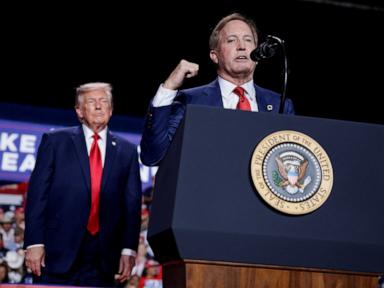
Consider the recent political friction in Texas. Donald Trump and Attorney General Ken Paxton train their sights on state legislative figures, turning their attention toward Texas Senate candidate James Talarico over questions of campaign trail absence. For political observers, an empty chair is never just an empty chair. It becomes a Rorschach test for ambition, priorities, and political vulnerability.
The modern campaign trail is an unrelenting beast. Candidates are expected to be everywhere at once, shaking hands in El Paso while fund-raising in Houston and voting in Austin. The physical toll alone is staggering. But behind the logistical exhaustion lies a strategic chess match. When does stepping away from a traditional campaign stop signal weakness, and when does it signal a calculated redirection of energy?
To understand this dynamic, we must look at how political pressure operates under the Texas sun. High-stakes races pull candidates in competing directions. On one side stands the demand for grassroots visibility—the classic retail politics where every voter feels personally courted. On the other side sits the grinding reality of legislative duties, policy battles, and media positioning.
Critics frame an absence as a dodge. They argue that when a candidate steps off the trail, they are running away from difficult questions. Opponents seize the vacuum, painting the empty space with accusations of elitism, distraction, or misplaced priorities. In the theater of partisan combat, optics often eclipse nuance. If you are not in the room, you cannot defend yourself against the narrative being written about you.
Yet, stepping back can also be a form of defiance. Modern politics relies so heavily on performative saturation that intentional absence sometimes serves as a silent rebuke of the circus. Why chase every microphone when the microphone is already rigged?
The clash between Trump, Paxton, and Talarico highlights a broader cultural fault line in contemporary governance. It is not merely about attendance records or scheduling conflicts. It is a battle over what kind of leader voters actually want. Do they want the relentless, stadium-filling showman, or do they want the policy-focused legislator navigating institutional friction?
Every election season revives this ancient tension. The road is long. The expectations are impossible. And somewhere between the rally stage and the legislative floor, every politician has to decide which room matters most.
The cameras will keep rolling. The press releases will keep flying. But the most revealing moments often happen in the spaces left behind—in the quiet rooms where the campaigning stops and the actual work, for better or worse, continues out of sight.