Steam rises from the bamboo baskets, curling against the cold glass of a window overlooking Victoria Harbour. Outside, the neon pulse of Hong Kong still flickers, casting long, electric pink reflections across the dark water. Inside, Mei wipes down a mahogany tabletop for the third time. The cloth moves in tight, mechanical circles. She does not look at the door because she already knows who is not walking through it.
No one is walking through it. At least, not in the numbers she remembers.
Mei has run her family’s tea house in Sheung Wan for nearly three decades. She knows the weight of a busy Tuesday lunch rush. It is a symphony of clinking porcelain, boisterous laughter, and the frantic calls of waiters weaving through narrow aisles with trays stacked four high. Today, that symphony is muted. A quiet hum of air conditioning fills the void where the roar of international crowds used to live.
To understand what is happening to Hong Kong tourism, you cannot simply look at a spreadsheet. You have to stand in Mei’s shoes, watching fresh shrimp dumplings cool untouched in their baskets, hour after agonizing hour.
The Numbers Behind the Silence
We live in an age that demands data, so let us look at the ledger. Official metrics reveal a stark reality that local business owners feel in their bones. Visitor spending in the city sits stubbornly at levels roughly forty-four percent below where it stood back in 2018.
Let that number sink in. Forty-four percent.
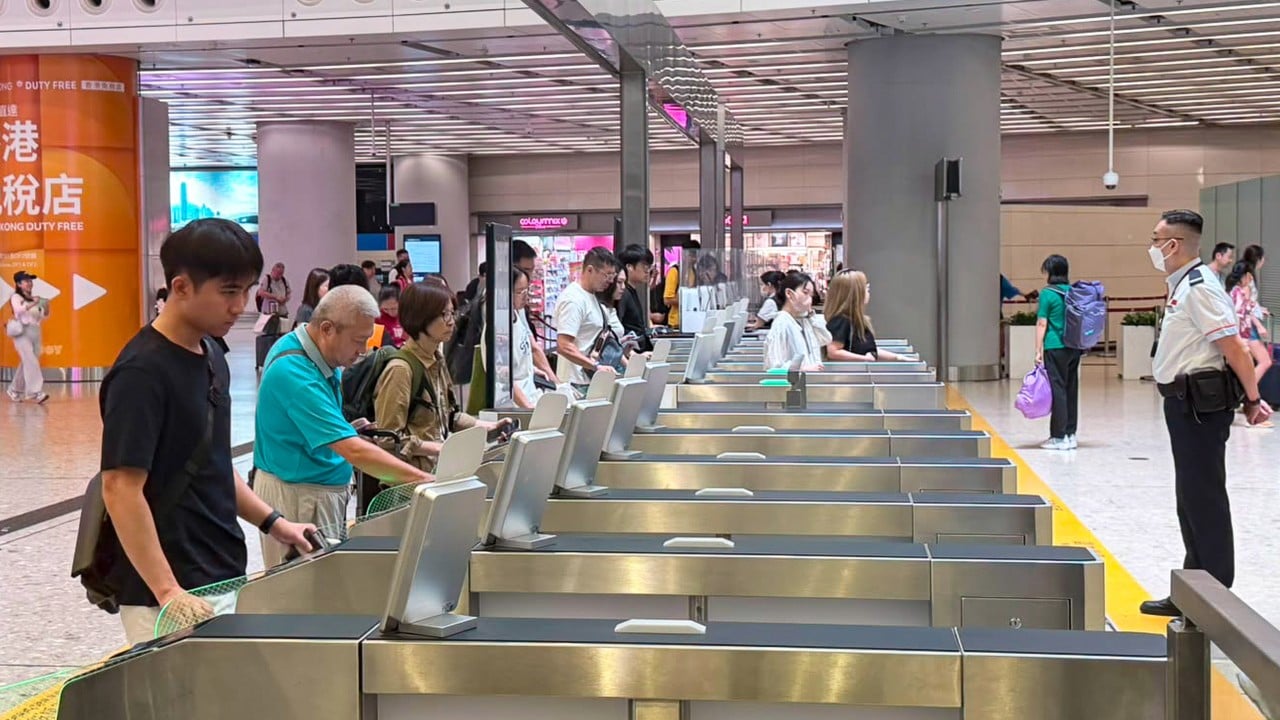
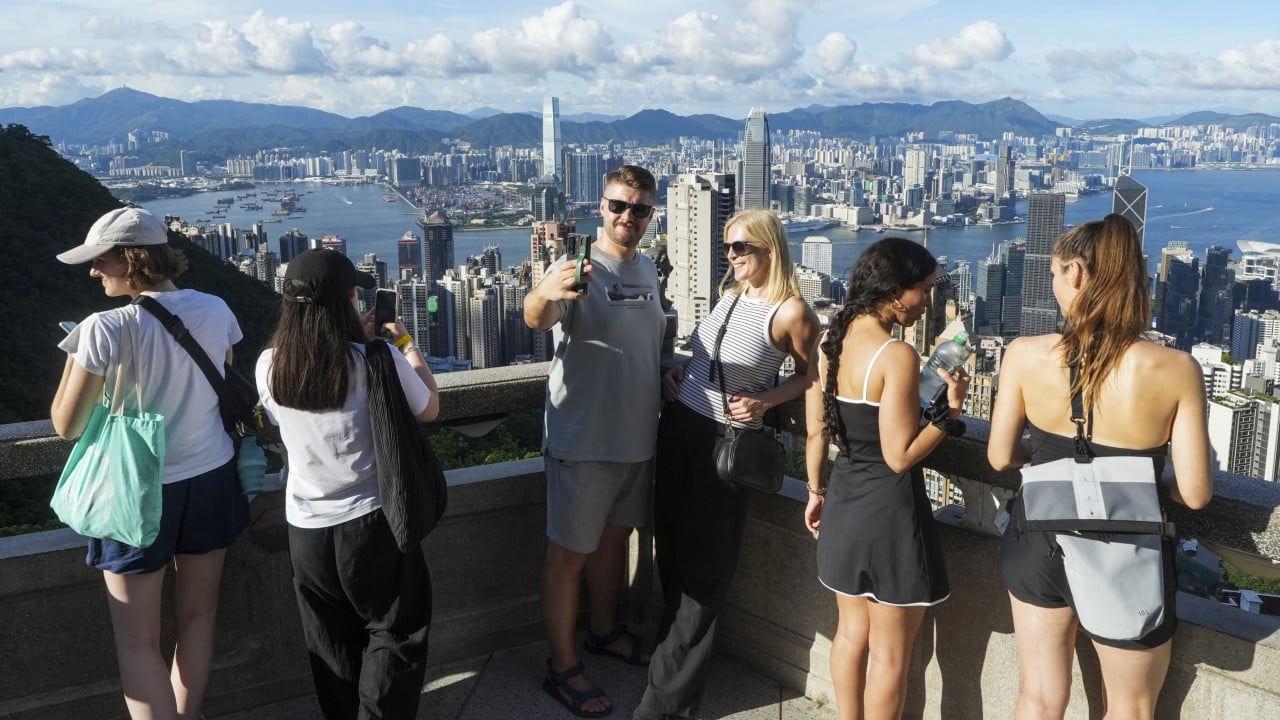
Imagine a bustling restaurant where nearly half the tables are permanently bolted shut. Imagine a hotel where every second room remains dark night after night. That is the invisible tax currently weighing down the entire regional economy. The tourists are returning, yes, but their wallets are zipped tight. They are walking the neon-lit alleys of Tsim Sha Tsui, snapping photos of the skyline, and then heading back to their budget accommodations without buying the jade pendants, designer suits, or luxury watches that once fueled the territory's retail engine.
Consumer habits shifted. The global economy squeezed household budgets. Travelers now prioritize experiences over material accumulation, or they stay closer to home entirely. But for a city built on the high-octane fuel of uninhibited international commerce and free-spending travelers, this behavioral evolution feels less like a shift and more like a slow-moving storm.
A Tale of Two Travelers
Consider a hypothetical tourist named Sarah. Back in 2018, Sarah flew into Kai Tak's spiritual successors with a bulging suitcase and a loose itinerary. She booked a five-star suite overlooking the Peak, bought custom-tailored suits in Nathan Road, and routinely dropped hundreds of dollars on dinners that stretched past midnight. She was a single drop in a financial thunderstorm that kept thousands of local families afloat.
Now, fast forward to today. Sarah still travels, but her math has changed. Global inflation hit her mortgage, her groceries, and her savings. When she visits Hong Kong now, she stays in a compact guesthouse in Mong Kok. She eats at casual local noodle shops rather than high-end dining rooms. She hunts for free viewpoints instead of paying for admission to exclusive rooftop lounges.
Sarah is not trying to hurt Mei. She is just trying to survive her own financial reality. Multiply Sarah by millions, and you begin to understand why the tourism sector is sounding alarms that echo through the halls of government.
Industry groups are urging immediate, aggressive action. They talk of promotional campaigns, digital voucher giveaways, and mega-events designed to shock the system back to life. They want drone shows over the harbor. They want international conferences back in the convention centers. They want a reason for the world to remember why this city was once called the Pearl of Orient.
The Soul Beneath the Skyline
Yet, policy memos and marketing blitzes miss the human core of the crisis.
Hong Kong has always been a survivor. It is a city forged by refugees, fishermen, traders, and dreamers who carved a glittering metropolis out of steep granite hillsides with nothing more than sweat and grit. It has weathered political tremors, financial crashes, and health crises that emptied its streets completely.
When the SARS outbreak struck in 2003, the city looked like a ghost town. People whispered in masks. Hotels sat at single-digit occupancy rates. But the moment the quarantine lifted, the energy surged back with the ferocity of a caged tiger unchained. People poured into the streets because the human hunger for connection, movement, and discovery cannot be permanently suppressed.
The current challenge is different. It is not a sudden, violent shock like a virus outbreak. It is a slow bleed. It is the quiet retirement of aging artisans who cannot pass down their craft because there are no apprentices to teach. It is the landlord who lowers the iron gate on a storefront that has sold dried seafood for fifty years. It is the subtle erosion of identity that happens when a city designed for perpetual motion is forced to wait.
The Path Through the Fog
So what happens when the visitors change their habits permanently?
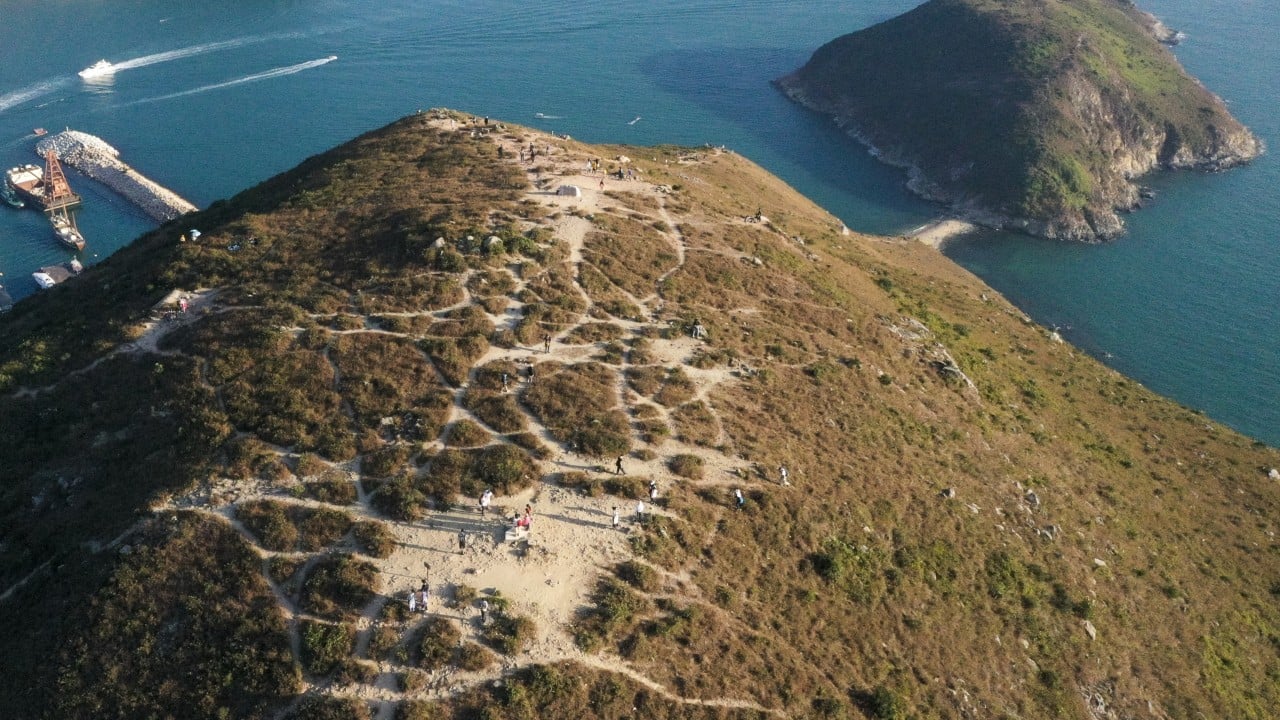
The city is learning to look inward, rediscovering its own backyard. Weekends now see local residents hiking the Dragon’s Back ridge, exploring the quiet fishing villages of Tai O, and supporting neighborhood bakeries that survived the tourist drought by leaning on community loyalty. There is a quiet, stubborn resilience in that pivot. It proves that Hong Kong is more than just a giant duty-free shopping mall for transient crowds. It is a home.
At the same time, tourism boards are scrambling to court new markets across Southeast Asia and the Middle East, diversifying away from traditional visitor streams that are slow to recover. They are trying to rebrand the territory as a hub of art, culture, and green escapes rather than just a concrete playground for shoppers.
Mei does not read the economic forecasts. She does not care about regional demographic shifts or exchange rate fluctuations. She cares about the steam rising from her bamboo baskets. She cares about the sound of a fork and spoon, or chopsticks clattering against a bowl.
She picks up her cloth, folds it neatly, and places it on the counter. The harbor outside flickers with light, waiting for the world to remember its name.