The myth of the insulated desert oasis died at approximately 4:00 AM on Saturday. For decades, the gleaming glass towers of Dubai, Doha, and Abu Dhabi functioned as a high-stakes geopolitical magic trick, convincing the world’s capital that it could sit comfortably just a few hundred miles from a revolutionary theo-democracy without ever feeling the heat. That illusion has been shattered by "True Promise 4," an Iranian retaliatory strike that didn't just target military outposts, but struck the very heart of the Gulf’s "safe haven" brand.
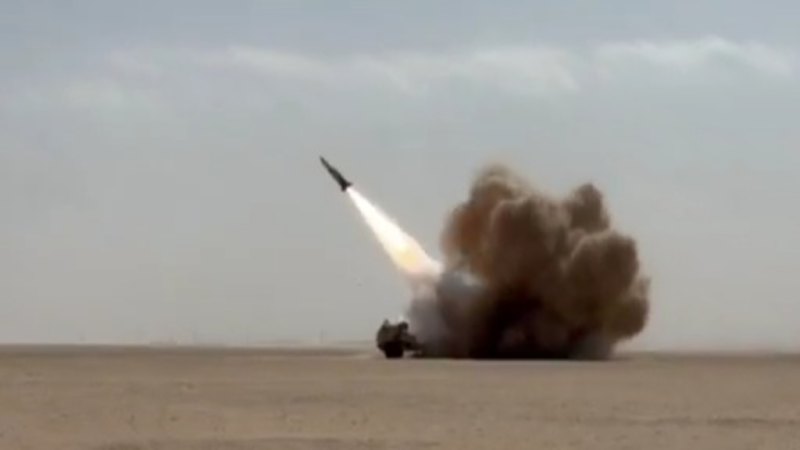
This isn't another minor skirmish in the shadow war. By launching direct missile and drone attacks on civilian-adjacent infrastructure—including Dubai International Airport and the Palm Jumeirah—Tehran has effectively liquidated the regional insurance policy that global investors relied upon. The primary question is no longer whether the Gulf can remain neutral, but whether it can remain functional as a global hub while the Iranian regime fights for its survival following the death of its Supreme Leader. Recently making waves in this space: Finland Is Not Keeping Calm And The West Is Misreading The Silence.
The Shattered Buffer
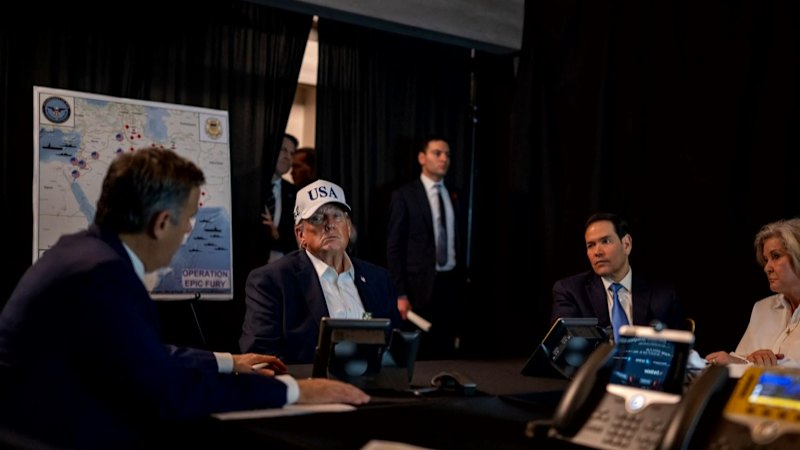
The Gulf Cooperation Council (GCC) states have spent billions trying to decouple their economic futures from the volatility of their neighbors. They built a world of five-star logistics, "Golden Visas," and neutral diplomacy. But geography is a cruel master. When the United States and Israel launched "Operation Epic Fury" on February 28, targeting Iran’s nuclear and leadership cores, the response was not confined to the battlefield. Iran chose to export the chaos, proving that no amount of diversification can protect a skyscraper from a ballistic missile.
In the early hours of March 1, the reality of this proximity became undeniable. Air raid sirens, once a distant memory or a cinematic trope, echoed through the streets of Kuwait City and Manama. The interception of missiles over Abu Dhabi wasn't just a military success for the Patriot and THAAD batteries; it was a loud, explosive reminder to every expat and fund manager that the "safe haven" has a ceiling, and that ceiling is made of glass. Further information on this are detailed by NPR.
The Economic Cost of the "Safe Haven" Tax
Investors hate uncertainty, but they loathe proximity to active kinetic warfare even more. The immediate fallout is visible in the numbers, but the long-term structural damage to the Gulf’s business model is where the real story lies.
- Aviation Paralysis: The simultaneous closure of the world’s busiest transit hubs—Dubai (DXB), Abu Dhabi (AUH), and Doha (DOH)—is unprecedented. This isn't just about stranded tourists; it is a total severance of the "bridge" between East and West.
- Maritime Chokepoint: With the Strait of Hormuz effectively closed by IRGC naval warnings, 20% of the world’s traded oil and a massive portion of India and China’s LNG supplies are trapped.
- Insurance Surge: War risk premiums for vessels and aircraft in the Persian Gulf are expected to jump manyfold. For many shipping lines, the "safe haven" is now a "no-go zone."
The regional hubs are seeing their core value proposition—stability—evaporate in real-time. When a hotel in Dubai or a shopping district is hit, the cost isn't measured in repair bills; it’s measured in the capital flight of the ultra-high-net-worth individuals who moved there specifically to escape this kind of volatility.
The Nuclear Equation
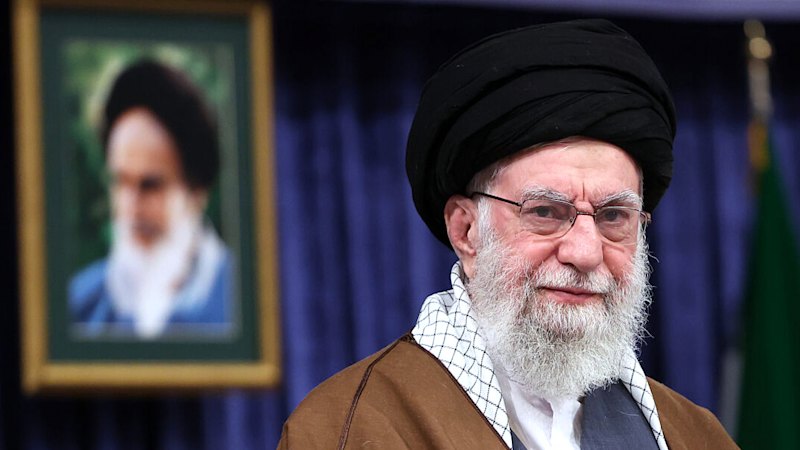
While the missiles fall, a deeper crisis is brewing. The "Maximum Pressure 2.0" posture from Washington has backed the Iranian leadership into a corner. With the reported death of Ayatollah Ali Khamenei, the regime’s command structure is in a state of "isolated" desperation. They are no longer playing by the old rules of "measured escalation."
For the GCC, this creates a terrifying strategic vacuum. Saudi Arabia and the UAE have tried to balance their security reliance on the U.S. with a tactical détente with Tehran. That middle ground has disappeared. If Iran believes its survival is at stake, it will view every U.S. base in Qatar or Bahrain as a legitimate target. The "hosting" of American forces, once a guarantee of safety, has become a lightning rod for Iranian aggression.
The Demographic Time Bomb
Beyond the missiles, there is the threat of a human tide. The Iranian port of Bandar Abbas is a short boat ride from the Emirati coast. If the strikes lead to a total collapse of the Iranian state or a prolonged civil war, the Gulf states face a refugee crisis they are entirely unequipped to handle. The GCC’s social contract depends on a high-income, controlled population. A massive influx of displaced people across the water would strain the very social and economic fabric that keeps these monarchies stable.
This is the overlooked factor in the current crisis. The Gulf isn't just worried about being hit by a drone; they are worried about being overwhelmed by the fallout of a neighbor’s disintegration.
A Permanent Shift in Perspective
The events of the last 48 hours have galvanized the GCC in a way years of diplomacy could not. The "disciplined growth" phase and the grand visions for 2030 and 2031 are now being stress-tested by fire. We are seeing a hard pivot toward a more formal, integrated regional air defense system—a "Middle East NATO" in all but name—as the Gulf states realize that neutrality is a luxury they can no longer afford.
The days of the Gulf being a "neutral playground" for the global elite are over. The risk perception has been permanently recalibrated. From now on, every investment in a Dubai real estate project or a Qatari tech fund will carry an "Iran premium." The mirage of the safe haven has lifted, revealing a region that is exactly what it has always been: a high-reward frontier sitting on the edge of a volcano.
The question for the global markets is whether they are willing to pay the new price of admission for a seat in the line of fire.
Would you like me to analyze the specific impact of these strikes on the upcoming 2026 fiscal budgets of the UAE and Saudi Arabia?