The era of the "Tehran Ghost" in Southern California ended on a Friday night in April 2026. For years, the relatives of some of the world’s most sanctioned individuals lived in a quiet, high-end paradox: enjoying the sun-drenched liberties of Los Angeles while digitally cheering for the destruction of their host. That contradiction collapsed when federal agents took Hamideh Soleimani Afshar, the niece of the late IRGC commander Qassem Soleimani, and her daughter, Sarinasadat Hosseiny, into custody.
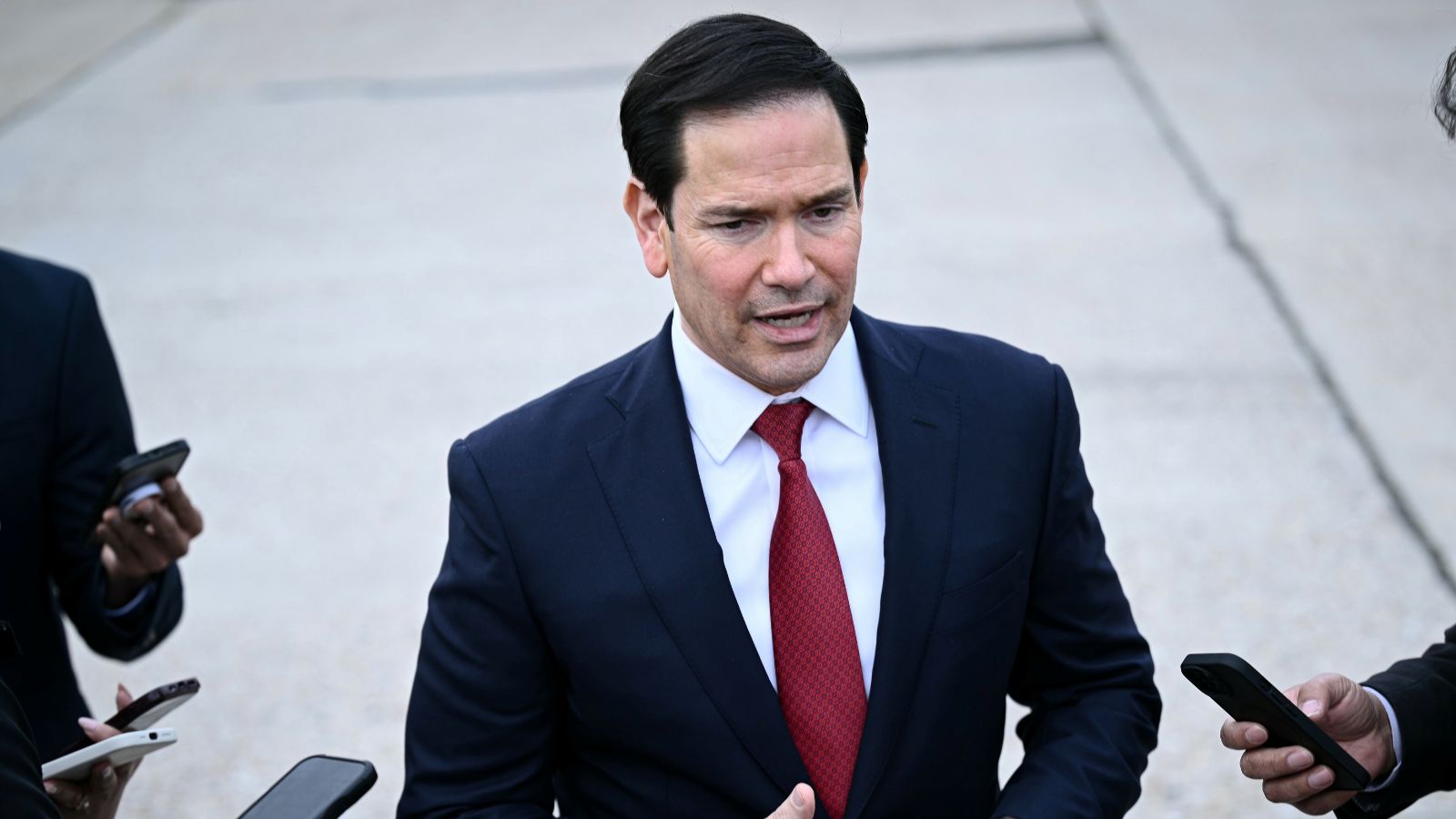
Secretary of State Marco Rubio’s decision to revoke their lawful permanent resident (LPR) status isn't just a localized immigration enforcement action. It is the loudest signal yet of a systemic hunt for "regime elites" who have utilized Western legal loopholes to secure a backup life in the United States. While the headlines focus on the name Soleimani, the investigative reality reveals a far more complex web of asylum fraud, social media surveillance, and a massive shift in how the State Department defines "national interest."
The Instagram Breadcrumbs and the Fraudulent Asylum Loophole
The case against Afshar did not begin in a classified intelligence vault, but on an Instagram feed that has since been deleted. While living a life that many would describe as the quintessential California dream, Afshar reportedly used her platform to praise the IRGC—a designated foreign terrorist organization—and celebrate strikes against American personnel.
The Department of Homeland Security (DHS) has now labeled her 2019 asylum claim as fraudulent. This is a critical distinction in immigration law. Asylum is reserved for those with a "well-founded fear of persecution" in their home country. However, DHS records indicate that after obtaining her green card in 2021, Afshar made at least four documented trips back to Iran.
For a veteran industry analyst, this highlights a glaring, decade-long vulnerability in the U.S. immigration system. If an individual is truly fleeing a "totalitarian" regime, they do not vacation in its capital city. The "Tehran Ghost" pathway allowed regime-adjacent figures to claim persecution to get the green card, then use that same card to travel back and forth, acting as informal conduits or simply enjoying the best of both worlds.
Rubio and the New Doctrine of Discretionary Revocation
Under the 2026 "America First" foreign policy framework, the State Department has moved from a reactive posture to a proactive one. Marco Rubio is utilizing Section 212(a)(3)(C) of the Immigration and Nationality Act with unprecedented frequency. This section allows the Secretary of State to deem an individual inadmissible if their entry or presence would have "potentially serious adverse foreign policy consequences."
Historically, this power was used sparingly to avoid legal challenges regarding due process. Rubio has flipped the script. By targeting not just the officials, but their immediate family members, the administration is treating residency as a revocable privilege rather than a permanent right.
Recent High-Profile Revocations
| Name | Relation | Status | Reason Cited |
|---|---|---|---|
| Fatemeh Ardeshir-Larijani | Daughter of Ali Larijani | Expelled | Ties to Iranian National Security Council |
| Hamideh Soleimani Afshar | Niece of Qassem Soleimani | Detained | Asylum fraud; IRGC propaganda |
| Seyed Kalantar Motamedi | Son-in-law of Ali Larijani | Expelled | Entry ban; foreign policy risk |
The message to Tehran is clear: the safety net for your children and relatives in the West is being shredded. This isn't just about Soleimani’s niece; it’s about a broader purge of over 300 individuals whose visas and green cards have been canceled in the first quarter of 2026 alone.
The War at Home and the First Amendment Friction
The timing of these arrests is no coincidence. As the U.S. and Israel continue military operations against Iranian targets following the escalation in February 2026, the domestic front has become a priority. The administration is essentially clearing the board of potential "fifth column" influences.
Critics argue that revoking residency based on social media posts—even those as inflammatory as calling the U.S. the "Great Satan"—verges on punishing speech. However, the legal reality for non-citizens is far more precarious. While the First Amendment protects speech, it does not guarantee a green card. When that speech is coupled with documented travel to a state sponsor of terrorism and a history of fraudulent asylum claims, the legal "shield" of the Constitution becomes very thin.
The investigative trail suggests that Afshar’s husband has also been barred from the country, effectively dismantling the family’s U.S. footprint. This "family-unit" targeting is a strategy designed to exert maximum psychological pressure on leadership in Tehran. It suggests that the "lavish lifestyle" documented on Instagram was more than just vanity; it was a security vulnerability that federal agents were happy to exploit.
Beyond the Soleimani Name
While the Soleimani name carries the most weight, the real story lies in the data disclosed in Afshar's July 2025 naturalization application. It was her own attempt to become a U.S. citizen that likely triggered the deep-dive audit of her travel history and social media activity. The very mechanism meant to finalize her "Americanization" became the instrument of her removal.
The "Tehran Ghost" pathway is closing because the digital world has made it impossible to hide the hypocrisy. You cannot post photos from a Beverly Hills cafe while captioning them with support for the IRGC without eventually catching the eye of a State Department that is no longer looking the other way.
This shift marks a definitive end to the era of "strategic ambiguity" regarding the families of foreign adversaries. The U.S. government has decided that if you view the country as the "Great Satan," you shouldn't be allowed to live in its backyard.
The federal agents who moved into the Los Angeles suburbs on Friday night weren't just arresting a niece; they were closing a door that had been left ajar for decades.
Would you like me to analyze the specific legal precedents Rubio is citing for these high-speed deportations?


