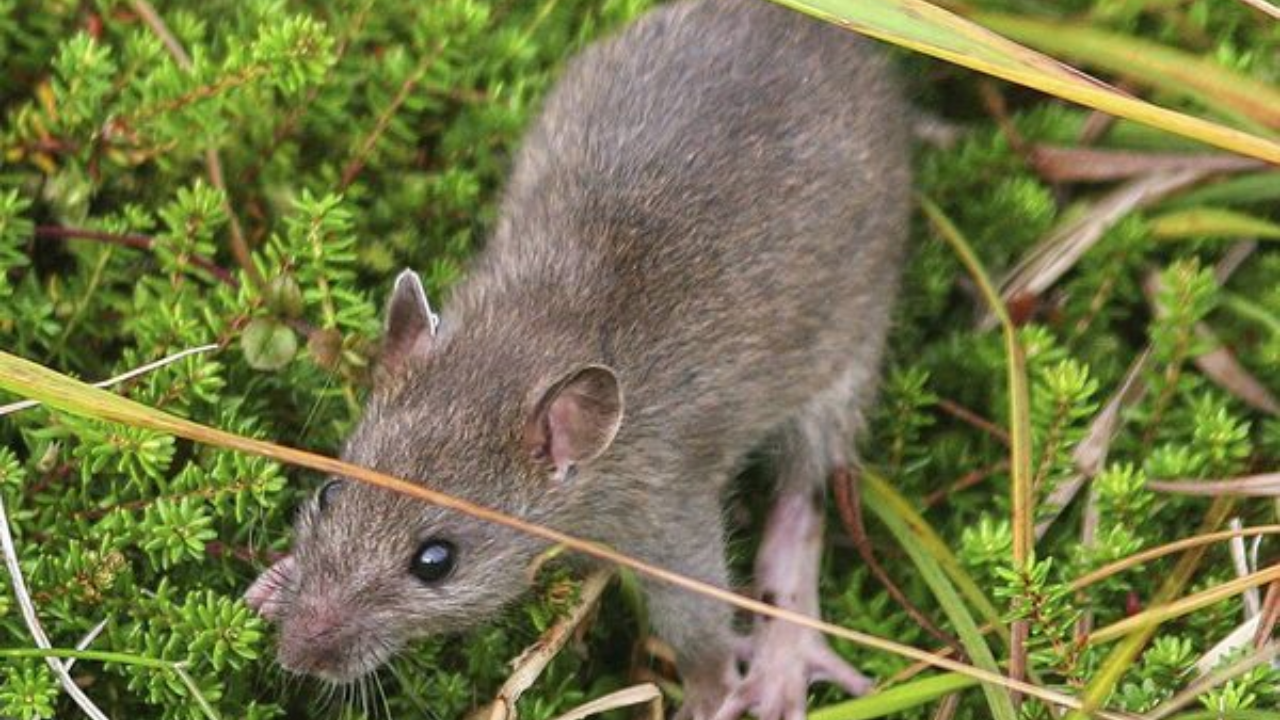
A shipwreck in 1780 changed an Alaskan island into a nightmare. When a Japanese vessel ran aground on the shores of a remote Aleutian landmass, it left behind an unexpected cargo of Norway rats. Those rodents multiplied unchecked for more than two centuries, turning a thriving seabird haven into a silent, predator-driven wasteland.
If you think a minor rodent problem is easy to fix, look at what happened on the 6,869-acre island formerly known as Rat Island. Clearing out invasive species isn't just about trapping a few pests. It requires a massive, multi-year logistical campaign that reshapes entire ecosystems from the dirt up.
The Cost of Doing Nothing on Hawadax Island
Before conservationists stepped in, the local wildlife had zero defense against land-based predators. Seabirds in the Aleutians evolved without mammalian hunters. They laid their eggs on open ground or in shallow burrows.
When the rats arrived, they treated the island like an all-you-can-eat buffet. Chicks, eggs, and adult ground-nesting birds were decimated. The silence on the island became eerie. Scientists noted that the ground was crisscrossed with rat trails, littered with bones, and overwhelmed by the decay of a once-abundant avian population.
Worse still, the destruction didn't stop with the birds. Without avian predators dropping nutrients and keeping marine invertebrates in check, the local shoreline changed completely. Snails, sea urchins, and limpets exploded in population, choking out the natural algae and kelp growth. Everything was out of balance.
Eradicating a Two-Century Infestation
In autumn 2008, the U.S. Fish and Wildlife Service teamed up with organizations like The Nature Conservancy and Island Conservation to pull off something unprecedented. They launched an aggressive eradication campaign across the nearly 7,000-acre landscape.
Helicopters dropped rodenticide bait across a meticulously mapped digital grid. It wasn't cheap, and it wasn't easy. Navigating the brutal weather of the North Pacific to drop bait on a remote volcanic island takes extreme precision. There were also heavy costs; non-target casualties, including dozens of bald eagles that scavenged poisoned rodents, showed just how high the stakes were.
By 2009, surveys showed no signs of surviving rodents. Two years later, the island was officially declared rat-free.
How Nature Bounces Back Fast
What happens when you finally remove the invasive pressure? The response is staggering.
Within two years of the rat removal, native bird populations jumped by 200 percent or more. Glaucous-winged gulls, black oystercatchers, and song sparrows made a massive comeback. Storm-petrels and tufted puffins returned to nest on cliffs they had abandoned generations prior.
Long-term monitoring published in scientific journals showed that the recovery cascaded down to the water. Shorebirds resumed their roles as apex predators on the beach, driving down invertebrate numbers and allowing kelp and algae to reclaim the intertidal zone.
The ecological turnaround was so absolute that the U.S. Board on Geographic Names approved a petition from the Aleutian Pribilof Islands Association to restore the island's original Unangan name. Rat Island became Hawadax Island, which roughly translates to mean an entry or welcome.
Restoring island ecosystems proves that careful planning can reverse centuries of environmental damage. Protecting these remote habitats requires strict biosecurity on commercial vessels, rigorous monitoring, and zero tolerance for accidental introductions. Check local wildlife refuge guidelines if you travel near fragile marine environments, and support organizations tackling invasive species head-on before they rewrite the natural order.