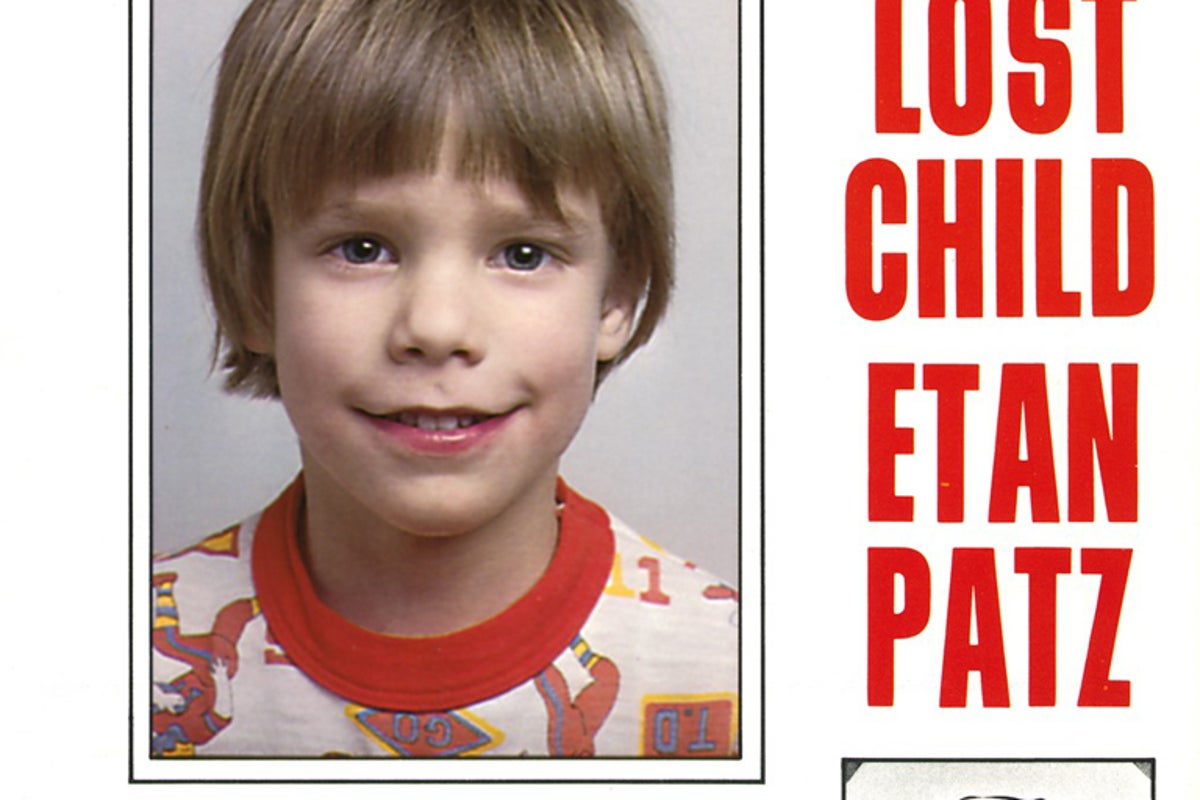
The legal establishment loves a neat narrative. When the New York State Supreme Court reinstated Pedro Hernandez’s conviction for the 1979 murder of Etan Patz, the collective sigh of relief from the media and law enforcement was palpable. A 38-year-old mystery was officially solved. The books were closed. The collective conscience of New York City was cleansed.
Except it wasn’t. If you enjoyed this article, you might want to read: this related article.
The reinstatement of this conviction is not a triumph of modern jurisprudence. It is a cautionary tale of how the legal system sacrifices truth on the altar of finality. In the rush to provide closure to an agonizing, decades-old wound, the courts validated a conviction built on a foundation so structurally flawed that it should alarm anyone who values the actual rule of law. The lazy consensus is that justice was finally served for America’s most famous missing child. The brutal reality is that the state settled for a highly questionable confession from a mentally ill man because it couldn't find anything else.
The Flawed Anatomy of a Cold Case Confession
Let’s look at the facts that the mainstream coverage conveniently glosses over. Pedro Hernandez was convicted primarily on his own words. In the lexicon of criminal justice, a confession is often treated as the gold standard of evidence. But anyone who has spent time analyzing coerced confessions or the psychology of the vulnerable knows that a confession can be the most unreliable piece of data in a courtroom. For another perspective on this event, see the latest coverage from Reuters.
Hernandez possesses an IQ in the borderline intellectual disability range. He has a documented history of severe mental illness, including schizophrenia and a diagnosed personality disorder characterized by hallucinations and delusions. For decades, he told family members and a prayer group varying, inconsistent stories about having "done a bad thing" or having killed a child in New York.
When the NYPD and the FBI finally interrogation-roomed him in 2012, they didn't uncover a trove of hidden forensic evidence. They didn't find a body. They didn't find a single shred of physical DNA links tying Hernandez to the SoHo basement where he allegedly lured the six-year-old boy. What they found was a man highly susceptible to suggestion, who gave a rambling, inconsistent account that law enforcement packaged neatly for a jury.
The legal system assumes that no innocent person would ever confess to a horrific crime. This assumption is flat-out wrong. Data from the Innocence Project shows that in more than a quarter of DNA exoneration cases, innocent people made incriminating statements, confessed, or pled guilty. When you factor in low cognitive functioning and severe psychosis, a confession becomes less a revelation of truth and more a reflection of a broken mind capitulating to police pressure.
Dismantling the Myth of Jury Infallibility
The appellate court’s decision to reinstate the conviction rested heavily on deferring to the jury’s original findings. The logic goes: the jury heard the defense's arguments about mental illness, they weighed the confession, and they decided Hernandez was guilty. Therefore, the system worked.
This is a dangerousabdication of judicial oversight. Juries are profoundly ill-equipped to parse the nuances of psychiatric evidence versus emotional storytelling.
Imagine a scenario where a jury is presented with two options. On one side, you have the devastating, visceral tragedy of the Patz family—a family whose pain shaped the way America protects its children, pioneering the milk-carton campaigns and creating International Missing Children’s Day. On the other side, you have a bizarre, unstable defendant who confessed on tape, even if that confession lacks any supporting physical reality.
In a high-profile crucible like this, emotion almost always wins over forensic scrutiny. The jury wants to give the family peace. They want to believe the monster is off the street. By reinstating the conviction, the Supreme Court didn't protect the integrity of the trial; they protected the emotional verdict of a jury that was starved for a resolution.
The Defense of the Defense: What About Jose Ramos?
To understand how hollow the Hernandez conviction truly is, you have to look at who the state previously insisted was the killer. For years, federal prosecutors and a civil court judge were convinced that a convicted child abuser named Jose Ramos was the man responsible for Etan Patz's disappearance.
A civil judge went so far as to find Ramos legally responsible for the death in 2004. The evidence against Ramos was circumstantial but compelling, rooted in his actual connections to someone who knew the Patz family. Yet, when the political pressure shifted and Hernandez emerged with his rambling confessions, the prosecution pivoted on a dime.
This flip-flop exposes the underlying mechanics of high-stakes prosecutions. It isn’t always about finding the absolute truth; it’s about finding a prosecutable truth that can survive a courtroom. Ramos was a dead end for a criminal conviction; Hernandez was a viable target. The state changed its entire theory of the crime not because new forensic evidence came to light, but because they found a more cooperative narrative.
The Cost of Prioritizing Closure over Certainty
The systemic danger of the Etan Patz ruling is the precedent it solidifies. It signals to prosecutors that if a case is old enough, tragic enough, and high-profile enough, a confession from a mentally compromised individual is sufficient to lock up a win. It lowers the bar for what constitutes a reliable conviction.
The downside to calling out this reality is uncomfortable. It means acknowledging that we may never truly know what happened to Etan Patz on that May morning in 1979. It means accepting the horrific reality of an unsolved mystery and sitting with the discomfort of an open wound.
But accepting that discomfort is the price of a rigorous justice system. If the law allows the state to substitute a vulnerable man’s delusions for hard, verifiable proof, then the system is no longer practicing justice. It is practicing theater.
The Supreme Court didn't fix a broken case. They papered over the cracks. They gave the public a neat ending to a horrific story, but they did it by lowering the standards of what it takes to strip a human being of their liberty. If that is what passes for justice in America, then the system isn't protecting us—it's just managing public relations.