The standoff is finally over, but it wasn't pretty. After months of high-stakes arm-twisting and blatant energy blackmail, the European Union has finally greenlit a €90 billion ($106 billion) loan for Ukraine. If you've been following the headlines, you know the roadblock had a name: Viktor Orban.
Budapest didn't just wake up and decide to be helpful. This breakthrough happened because the oil started flowing again. Kyiv finished repairs on the Druzhba pipeline, which had been knocked offline by Russian strikes. The moment the crude began moving toward Hungarian and Slovakian refineries, the "principled" objections from Hungary magically evaporated.
It’s a cynical trade-off, but for Ukraine, it's a lifeline. This money isn't just a budget line item; it’s what keeps the lights on and the front lines supplied as the war enters its fifth grueling year.
The cost of the Hungarian veto
Let’s be real about what just happened. Hungary held the entire bloc hostage over a pipeline. While the rest of Europe was trying to figure out how to keep Ukraine from a total economic collapse, Orban was focused on secured access to Russian crude. It’s a move that left a sour taste in Brussels, even with the deal signed.
You have to look at the numbers to see the stakes. Ukraine is still staring at a €19.6 billion defense funding gap for 2026, even with this €90 billion package. This loan, spread over two years, is designed to plug the massive hole in their national budget. Without it, we were looking at hyperinflation or a complete halt in government services in Kyiv.
The irony isn't lost on anyone. Hungary and Slovakia—the two most Kremlin-sympathetic voices in the EU—were the ones demanding Ukraine fix a pipeline broken by Russian missiles before they’d allow aid to fight off that same Russian invasion.
Why the timing matters right now
You’re probably wondering why this took so long. Orban's recent "crushing election defeat" played a huge role. He’s a lame duck now, with pro-EU successor Peter Magyar waiting in the wings to take over in May. EU officials realized they could wait Orban out, but Ukraine couldn't.
There's also the "Washington factor." With the U.S. largely cutting off aid and easing pressure on Moscow under the current administration, the burden has shifted entirely to Europe.
- The Loan: €90 billion over 2026-2027.
- The Catch: Backed by EU budget reserves, but Hungary, Slovakia, and Czechia don't have to chip in.
- The Bonus: A 20th package of sanctions against Russia was unblocked alongside the cash.
This 20th sanctions package is a big deal. It hits Russia's energy and banking sectors again, precisely when Moscow thought they’d found a way to bypass the previous rounds.
The Druzhba pipeline leverage
If you want to understand the "how" of this deal, look at the map. The Druzhba pipeline is one of the world's longest oil pipeline networks. For landlocked countries like Hungary and Slovakia, it's the umbilical cord for their energy needs.
When Russian strikes damaged the Ukrainian section of the pipe, Orban saw an opportunity. He refused to vote for the EU budget amendments—which require a unanimous vote—until the oil was back. Kyiv played ball, finished the repairs, and the Hungarian energy giant MOL confirmed that shipments are arriving as of today, April 23, 2026.
What this means for you and the EU
Honestly, this whole saga exposed a massive flaw in how the EU works. One country shouldn't be able to paralyze the security of the entire continent because of a domestic energy dispute. We're already hearing loud calls from leaders like Valérie Hayer to scrap the unanimity rule in foreign affairs.
If you're invested in European stability, this win is a relief, but it’s a warning shot. The EU effectively paid a "ransom" in the form of pipeline repairs to get vital aid through. It works this time, but it's a terrible blueprint for the future.
Expect the first payouts to hit Kyiv by early June. This will cover salaries for soldiers, doctors, and teachers, plus the massive costs of keeping the power grid running.
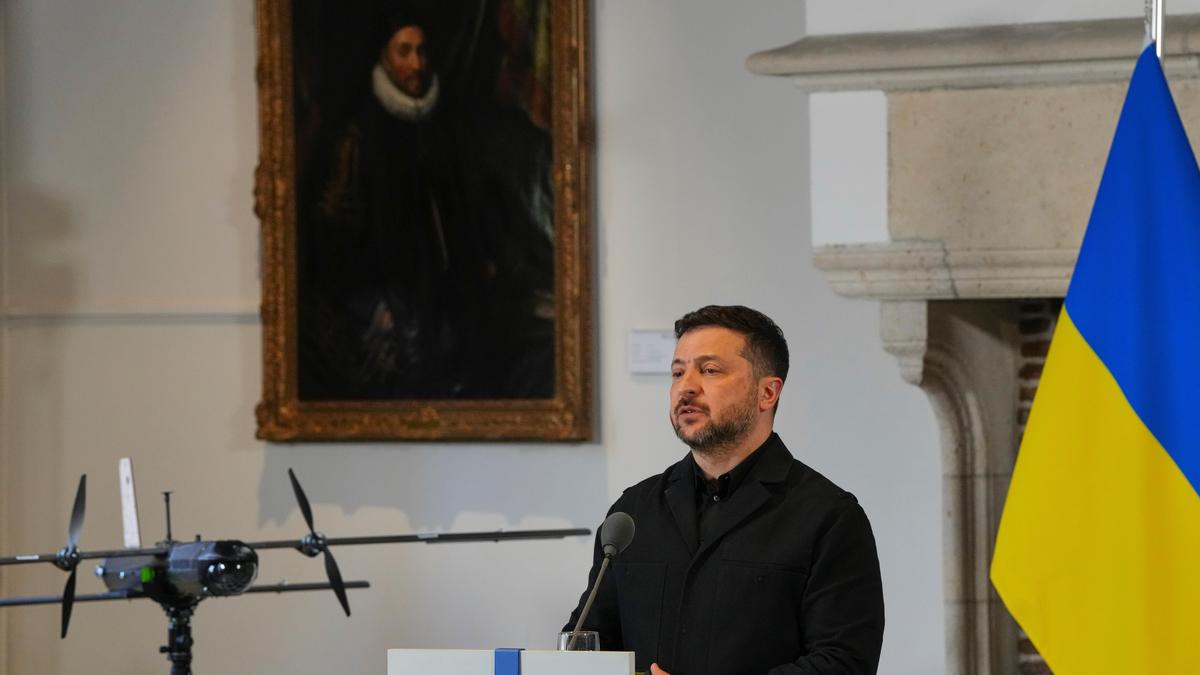
If you want to stay ahead of the next curve, keep an eye on the Cyprus summit happening right now. President Zelenskyy is there, and the talk has already shifted from "how do we get this loan" to "how do we use frozen Russian assets for the next one." The €90 billion is a bridge, not a permanent solution.
Don't expect the political drama to end just because the ink is dry. The tension between Brussels and Budapest is at an all-time high, and with a new Hungarian government coming in weeks, the landscape is about to shift again. Grab your coffee; the 2026 geopolitical map is still being redrawn.


