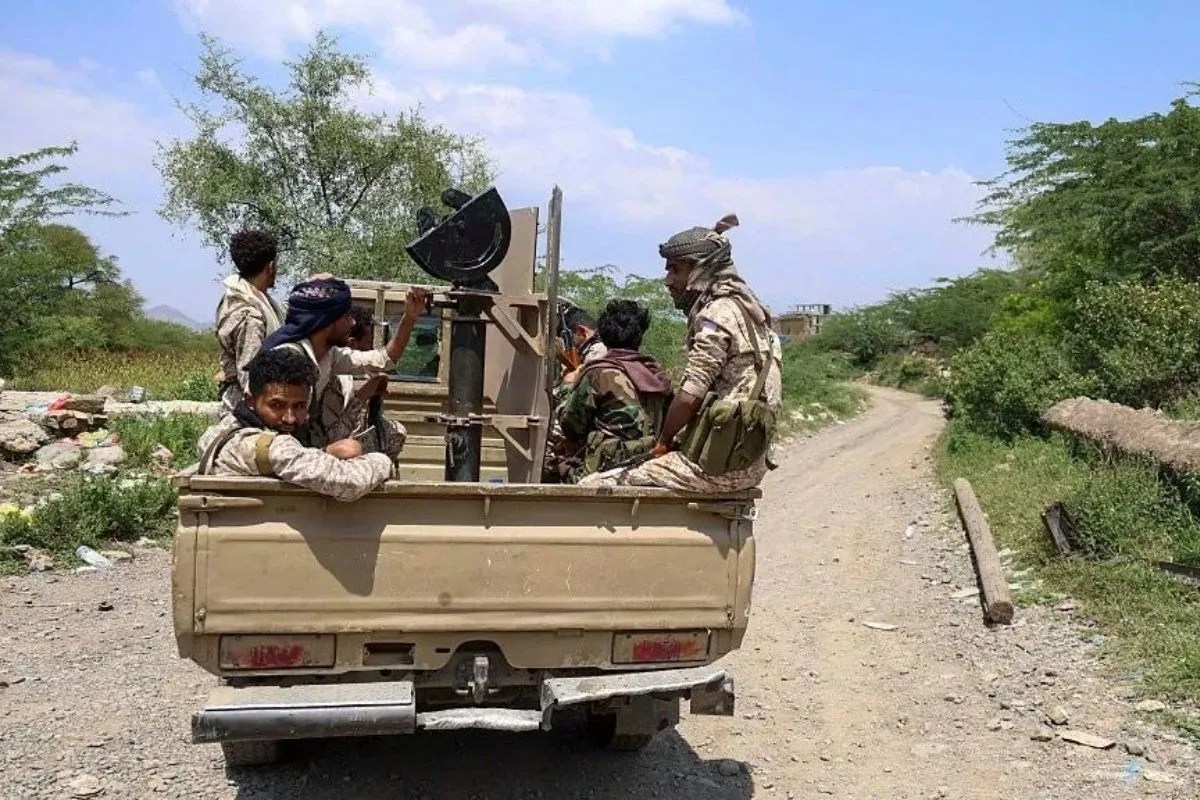
Every single headline feeding you casualty numbers from the front lines of Yemen is operating on a outdated, comforting fiction. The routine goes like this: a state-aligned media apparatus drops a staggering statistic—fourteen hundred dead in twenty-four hours, a pulverized stronghold, a decisive breakthrough—and the global newswire machinery regurgitates it without a pulse check.
Stop buying the body counts.
When official military mouthpieces claim thousands of insurgent fighters neutralized in a single operational sweep, they are not reporting facts. They are managing domestic morale and placating foreign patrons. If you map out the actual geography of the Houthi movement over the past decade, you realize that traditional metrics of warfare—hills captured, bodies counted, supply lines severed—do not apply to a distributed, decentralized insurgency.
The Arithmetic of Phantom Victories
Let us look at the structural mechanics of how these numbers are generated. In asymmetric conflicts, attrition is rarely measured in static corpses left on a battlefield. Insurgent networks do not wear standardized uniforms with serial numbers, nor do they operate fixed divisional headquarters that can be cleanly eliminated by a conventional airstrike or artillery barrage.
When a desk in a regional command center announces fourteen hundred neutralized combatants, they are typically aggregating unverified intelligence, drone feed guesswork, secondary explosions from ammunition depots, and a heavy dose of wishful thinking.
I have watched state intelligence desks cook these ledgers for decades. The incentives to inflate enemy casualties are structural. If funding relies on projecting competence and momentum, every minor skirmish involving mortar fire transforms into a decisive rout of enemy forces.
The lazy consensus in international reporting assumes that massive casualty figures equal strategic collapse. That is fundamentally wrong.
Conventional Military Mindset vs. Asymmetric Reality
-------------------------------------------------------------------------
Metric              | Conventional View          | Asymmetric Reality
-------------------------------------------------------------------------
Body Counts         | Decisive indicator of win  | Heavily inflated, irrelevant
Territory Held      | Permanent strategic asset  | Temporary staging ground
Supply Chains       | Centralized choke points   | Localized, resilient tunnels
The Resilient Architecture of Insurgency
To understand why these massive reported losses fail to alter the strategic balance in Yemen, you have to look past the press releases and examine how the movement actually sustains itself.
The Houthi apparatus is not a traditional standing army that dissolves when its front lines break. It operates closer to a localized social movement fused with clan networks and deeply entrenched ideological tribalism. When a conventional force claims to wipe out a battalion's worth of fighters in a coastal sector, those individuals are often part-time combatants, local tribal levies, or conscripted youths who can be replaced within a fortnight by the next wave of recruitment or coerced mobilization.
More importantly, materiel and leadership are compartmentalized. Hitting a supposed command node in a provincial capital rarely decapitates the operational network; it merely forces mid-level commanders to rotate into secondary bunkers or decentralized command cells.
The real story in Yemen is not about daily body counts or fleeting tactical advances across barren ridges. The real story is the total failure of conventional attrition warfare against an enemy that treats exhaustion as a strategic asset.
Dismantling the Propaganda Machine
Why do major media outlets continue to parrot these inflated statistics? Because modern journalism is built on speed, and a sensational headline about thousands of casualties travels faster than a nuanced audit of operational reality.
When you read that the Yemeni armed forces have cornered insurgent remnants, ask yourself a basic question: Who verified this on the ground?
In almost every case, the answer is no one. Independent observers cannot move freely across active front lines. Reporters rely on localized military spokesmen who have a direct stake in spinning the narrative. By accepting these claims at face value, the international press corps becomes an unwitting public relations wing for competing factions.
If you want to understand what is actually happening on the ground in Yemen, throw away the daily scorecards. Ignore the inflated tallies of dead combatants. Look instead at the economics of the conflict, the shifting alliances of convenience among local tribes, and the quiet persistence of supply lines running through mountainous terrain that modern air power cannot permanently seal.
The next time a breathless bulletin crosses your screen promising a decisive turning point driven by staggering enemy losses, remember one simple rule. If a military victory sounds too clean, too massive, and too convenient to be true, it is because you are being sold a story, not a reality.
Stop measuring progress by the bodies they claim to drop, and start measuring it by the systemic endurance they fail to break.



