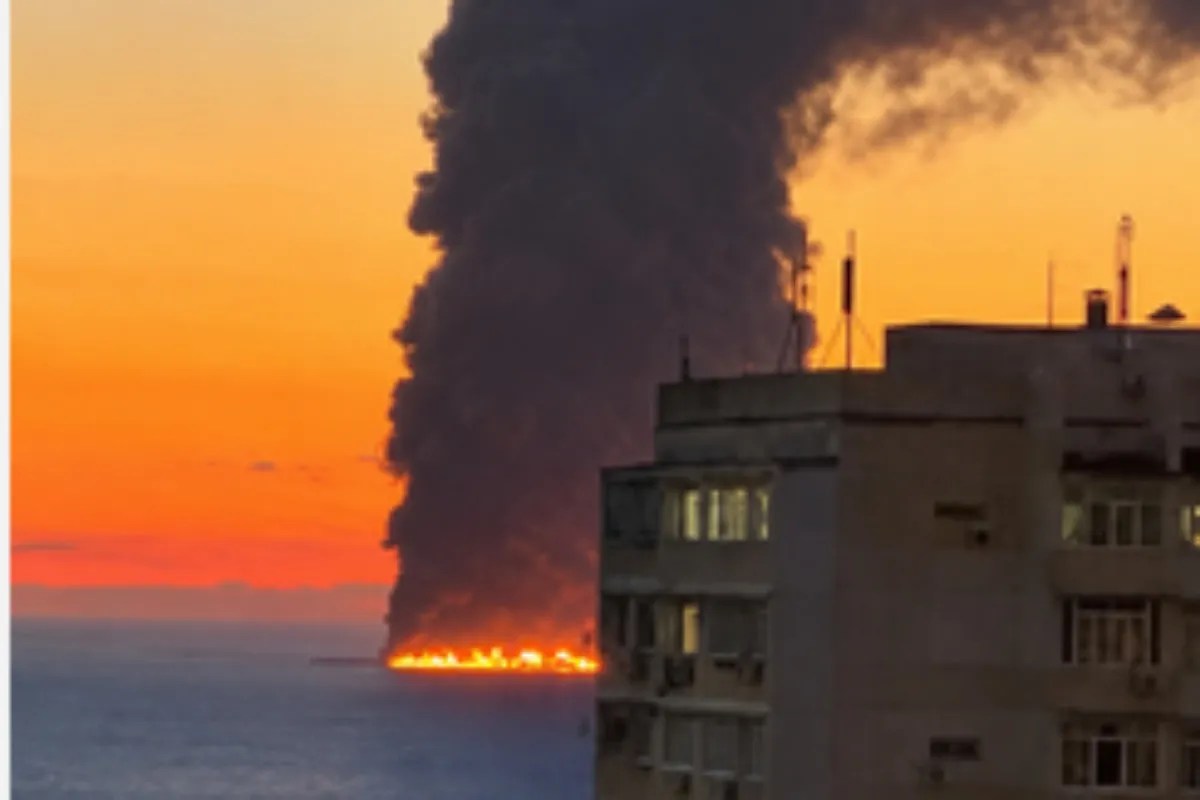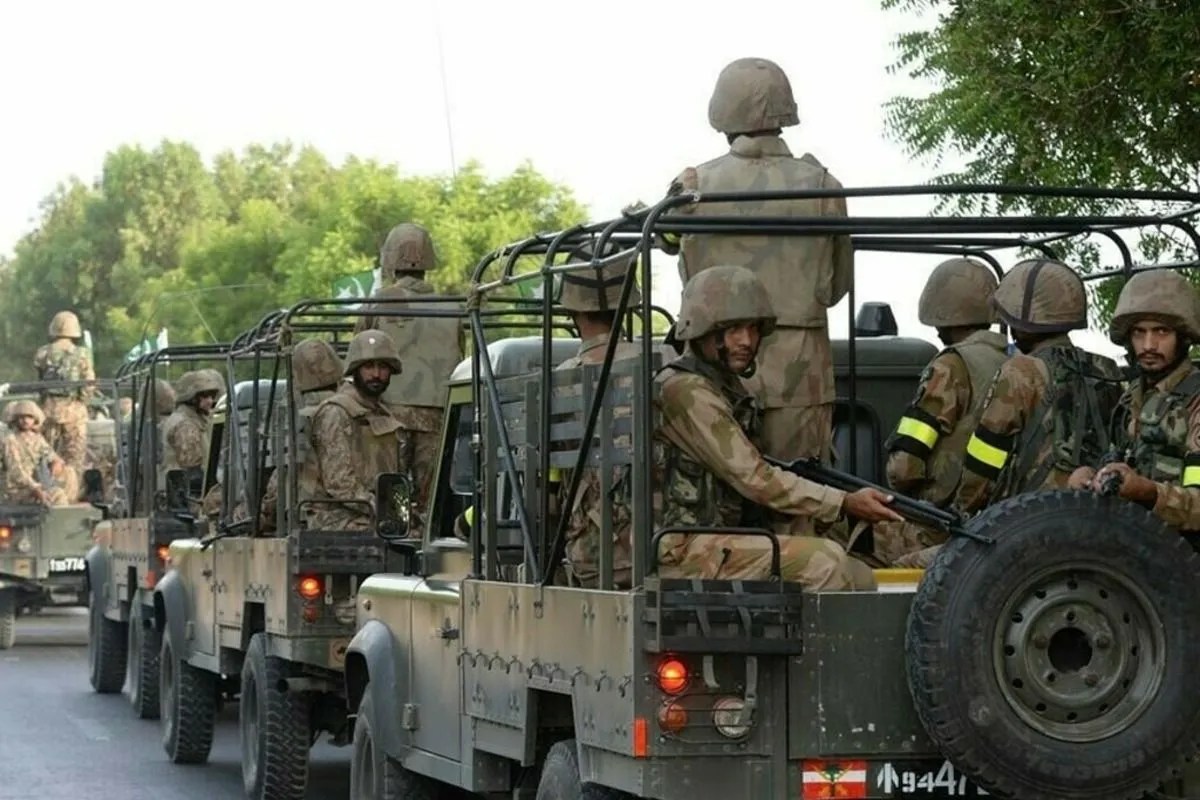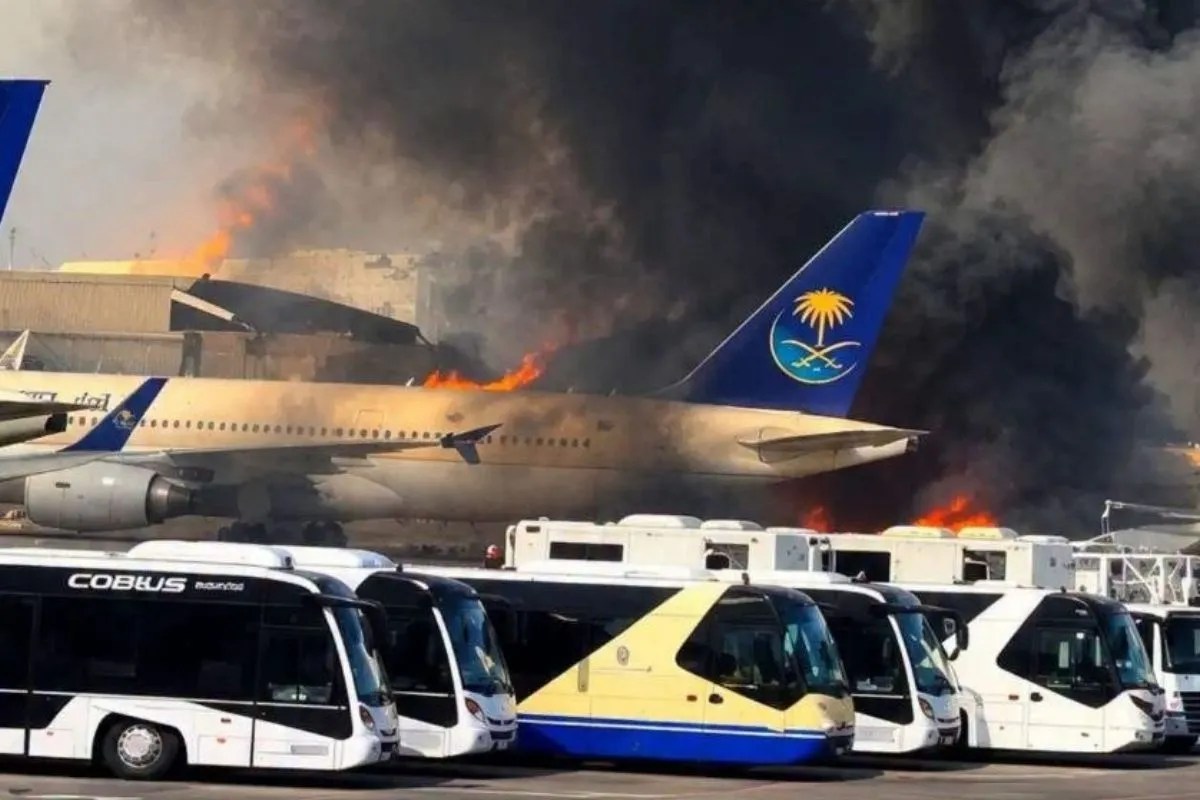
The standard narrative rolling out of every cable news studio and defense blog following strikes on Gulf aviation hubs treats regional escalation like a predictable math problem. Projectile hits runway, security budgets balloon, airline stocks dip, and pundits hyperventilate about impending regional conflagration. Everyone treats these kinetic flashpoints as catastrophic failures of defense architectures. They are missing the entire point.
When a drone or missile breaches perimeter defenses at a major Saudi aviation hub, the immediate casualty isn't just concrete or a fuel truck. It is the illusion of absolute air-space dominance that Gulf states have spent hundreds of billions of dollars purchasing from Western contractors. But here is the uncomfortable truth nobody in the defense establishment wants to admit: these sporadic, low-cost disruptions actually accelerate a ruthless economic Darwinism that favors state consolidation over fragile regional stability. If you liked this piece, you should read: this related article.
Let us dismantle the lazy consensus.
For years, mainstream reporting has framed these cross-border engagements through a simplistic lens of victim versus aggressor, framed entirely around casualty counts and diplomatic hand-wringing. This superficial framework blinds observers to the underlying structural shifts. When non-state actors or aligned regional militias target high-profile civilian infrastructure, they are not executing random acts of terror. They are engaging in high-yield asymmetric pricing. For another perspective on this story, check out the recent coverage from The New York Times.
Look at the mechanics. A rudimentary loitering munition costing a fraction of a standard luxury car forces a defense apparatus to expend a Patriot interceptor missile priced well into the millions. From a pure balance-sheet perspective, the attacker has already won the economic skirmish before the projectile even crosses the fence line. Traditional analysts look at this and cry about logistical vulnerability. That is rookie analysis.
The real story is how regional powers absorb these financial blows and weaponize them to accelerate internal modernization programs. When an aviation hub takes a hit, it provides the precise political cover required to fast-track automation, overhaul defense-industrial procurement, and decouple security dependencies from hesitant foreign partners. Crisis is the ultimate currency of reform in autocratic or semi-centralized governance models. Without a smoking crater on the tarmac, ministries of defense cannot push through the radical budget reallocations needed to build domestic drone-manufacturing capabilities and counter-UAS sensor grids.
I have spent years watching defense analysts panic over supply chain shocks every time a regional interceptor misses its mark. They model worst-case scenarios where global commerce grinds to a halt. Yet, commercial aviation in the Gulf has proven to be remarkably antifragile. Passengers grumble, flights get diverted for a few hours, and then airport operations resume with algorithmic precision. The modern hyper-connected economy does not break under pressure; it routes around the damage with cold, unfeeling efficiency.
People ask: How can regional aviation ever be secure while proxy conflicts rage along the southern border?
The question itself is fundamentally flawed. It assumes the goal is absolute, unblemished security. Absolute security is an expensive myth sold by defense contractors who want perpetual subsidies. The actual goal is operational resilience—the capacity to take a hit, clean up the debris within ninety minutes, and keep the duty-free shops open. By that metric, recent history proves that these hubs are infinitely tougher than the headlines suggest.
Consider the domestic political fallout within the targeting states. When casualties occur among foreign service workers and local staff, external observers expect public backlash against interventionist foreign policies. Instead, the opposite happens. These incidents trigger a nationalist consolidation effect that tightens internal security, flushes out underground cells, and hardens sovereign borders against illicit trafficking routes that previously funded those very same proxy networks.
We need to stop treating these events as anomalies in an otherwise peaceful timeline. They are the baseline cost of economic gravity in a contested multipolar world. As global supply chains fragment and middle powers flex their industrial muscles, the Persian Gulf and Red Sea corridors are transforming into a live-fire laboratory for modern aerospace defense.
The next time a headline screams about intercepted projectiles over an Arabian runway, do not look at the smoke. Look at the balance sheets of domestic defense startups, the quiet signing of indigenous tech transfer agreements, and the acceleration of automated logistics. The old guard is terrified because they built empires on the premise of impenetrable skies. The new reality belongs to those who treat a breached perimeter not as a tragedy, but as an expensive audit.