Walk past the corner of Robson and Granville in downtown Vancouver right now and you'll still feel the ghost of a 230,000-square-foot retail anchor. When Nordstrom pulled the plug on its Canadian operations in 2023, local headlines practically wrote an obituary for Pacific Centre and the surrounding shopping district.
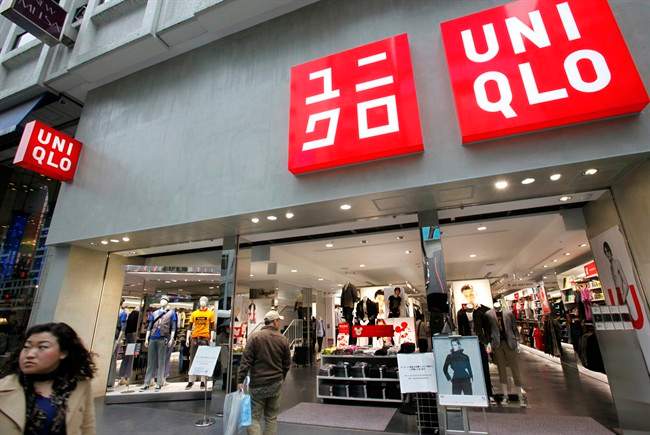
They were wrong. News that Uniqlo is moving into the old Nordstrom building in downtown Vancouver isn't just another lease signing—it's a complete reset of how downtown retail actually survives in 2026.
Most coverage treats this like a simple tenant swap. One big clothing brand leaves, another big clothing brand moves in, and life goes on. That view completely misses the math, the consumer psychology, and the commercial real estate reality driving Cadillac Fairview's strategy at 799 Robson Street.
Why the Nordstrom Vacancy Hurt So Badly
To understand why Uniqlo's arrival matters, you have to look at what broke when Nordstrom left. Nordstrom opened its Vancouver flagship in September 2015 after spending hundreds of millions of dollars gutting the former Sears building. For nearly eight years, it acted as the gravitational center of downtown shopping.
Then came March 2023. Nordstrom announced it was winding down all 13 Canadian stores, citing a lack of a realistic path to profitability. By June 2023, the doors at Pacific Centre were locked.
Suddenly, Cadillac Fairview had a massive problem on its hands. You don't just chop a three-level, 230,000-square-foot luxury department store into tiny mall kiosks overnight. That kind of square footage requires serious capital to divide, re-engineer HVAC systems, build new egress corridors, and rethink foot traffic flow.
Surrounding businesses felt the chill immediately. Coffee shops, lunch spots, and smaller boutiques along Granville and Robson relied on the steady stream of office workers and tourists drawn by that corner anchor. When a flagship goes dark, the whole block loses energy.
Uniqlo Isn't Replacing Nordstrom — It's Rewriting the Playbook
Here is the biggest misconception floating around Vancouver right now. People keep asking if Uniqlo can "fill Nordstrom's shoes."
It can't. And it isn't trying to.
Nordstrom was built on high-margin luxury goods, personal stylists, designer shoes, and an aspirational department store model that has been bleeding market share across North America for a decade. Uniqlo, owned by Japanese retail giant Fast Retailing, operates on the exact opposite philosophy. They sell affordable, high-volume basics—HEATTECH thermals, AIRism tees, Ultra Light Down jackets—engineered for everyday utility.
Let's look at the numbers. Uniqlo's parent company, Fast Retailing, has been aggressively expanding across North America because the region has become one of its strongest profit engines. In fiscal 2024 and 2025, Uniqlo North America posted sharp revenue and operating profit growth, proving that shoppers squeezed by inflation and high housing costs still happily spend money on reliable, reasonably priced wardrobe staples.
In Metro Vancouver, Uniqlo already knew it had a rabid customer base. When the brand opened its first B.C. store at Metropolis at Metrotown in 2017, lines wrapped through the mall for weeks. Subsequent openings at Guildford Town Centre, Richmond Centre, and Coquitlam Centre proved the appetite wasn't a fluke.
Yet for years, downtown Vancouver—the actual urban core of the city—didn't have a single Uniqlo location. Tourists staying in downtown hotels had to hop on the SkyTrain out to Burnaby or Richmond just to buy a packable down coat when the West Coast rain hit sideways. Locals living in Yaletown, the West End, or Coal Harbour had to commute to the suburbs for basic knitwear.
Moving into the former Nordstrom footprint solves Uniqlo's biggest geographic blind spot in Canada.
How Cadillac Fairview Actually Carved Up 799 Robson
If you're picturing Uniqlo taking over every single square inch of the old Nordstrom space, pump the brakes. Even a global powerhouse doesn't need 230,000 square feet for T-shirts and selvedge denim.
Commercial landlords have learned a hard lesson over the past five years. Single-tenant mega-boxes are ticking time bombs. When one tenant holds all the cards and decides to exit, your entire property takes a massive valuation hit.
Instead of hunting for another unicorn department store that doesn't exist anymore, Cadillac Fairview pivoted to a multi-tenant subdivision strategy for the former Nordstrom box. Splitting a massive floorplate allows a landlord to diversify risk, command higher blended rent per square foot, and draw different demographics at different times of the day.
Uniqlo is taking a prime flagship portion of the space—giving it high-visibility street presence right where Robson Street meets Granville, alongside direct interior integration with CF Pacific Centre. The remaining square footage of the old Nordstrom building has been eyed for complementary uses, including experiential retail, fitness, dining, or grocery concepts that turn a shopping trip into an all-day visit.
Think about what that does to foot traffic. A luxury department store attracts weekend browsers and high-income splurgers. Uniqlo attracts everyone. Students, tech workers, tourists, retirees, and parents buying kids' coats all walk through those doors on a Tuesday afternoon.
The Robson Street Recovery Nobody Expected
Walk along Robson Street between Burrard and Granville over the last few years and the vibe felt weirdly uneven. High rents, property tax spikes, and lingering post-pandemic office vacancies left too many "For Lease" signs taped to dusty windows.
Retail real estate works on momentum. Nobody wants to be the first brand to bet big on a recovering block, because nobody wants to pay downtown rent for empty sidewalks.
Once a high-volume magnet like Uniqlo signs on the dotted line, that math flips. Smaller fashion brands, specialty beauty stores, and fast-casual restaurants suddenly look at adjacent vacancies very differently. They know Uniqlo generates predictable, high-frequency foot traffic seven days a week.
We've seen this exact effect play out in other major cities. Look at Uniqlo's massive flagship stores on Fifth Avenue in New York, Oxford Street in London, or Ginza in Tokyo. Even on a slightly smaller scale in Toronto at the Eaton Centre or Yorkdale, Uniqlo acts as a traffic generator that lifts sales for neighboring tenants who sell higher-margin, impulse-buy items.
Vancouver's downtown core needed a high-volume anchor that matched how people actually live and dress here. Let's be honest about Vancouver style. This isn't Milan or Manhattan. People here wear technical outerwear, merino sweaters, comfortable trousers, and minimalist layers because it rains half the year and everyone walks everywhere. Uniqlo's product catalog practically reads like a uniform for Metro Vancouver.
What Other Retailers Should Watch Out For
If you run or work for an apparel brand in downtown Vancouver, Uniqlo moving into the old Nordstrom building isn't just a cute local news story. It's direct competition landing right on your doorstep.
Here is where the pressure hits hardest:
- Mid-tier fast fashion chains along Granville and Robson will feel an immediate squeeze on basics. Why pay $45 for a thin polyester sweater that pills after two washes when you can walk into Uniqlo and get a 100% extra-fine merino wool crew neck for roughly the same price?
- Outdoor and technical lifestyle brands have enjoyed huge pricing power in Vancouver for years. While Uniqlo isn't competing with Arc'teryx on technical alpine shells, its Blocktech parkas and Seamless Down coats eat straight into the casual commuter market.
- Department store remnants like Holt Renfrew just across the street operate in a completely different luxury stratosphere, so they won't lose core clientele. Still, younger shoppers who used to browse entry-level contemporary brands at Nordstrom now have an obvious destination right across the intersection.
Suburban malls in Metro Vancouver will also see a shift. Up until now, CF Richmond Centre and Metropolis at Metrotown captured a huge chunk of downtown and West Side shoppers who had no closer option. Once the downtown flagship opens, those shoppers stay in the core.
The Hidden Lessons for Commercial Real Estate and Local Shoppers
Looking closely at how this deal came together reveals a few practical realities about where urban retail is heading—and what you can actually do with this information right now.
First, if you're a business owner, investor, or commercial tenant evaluating downtown Vancouver retail space, stop looking at pre-2020 foot traffic metrics. The recovery isn't being led by white-collar office workers commuting five days a week. It's being led by downtown residential density, international tourism, and value-driven retail anchors. Leasing near high-volume daily-needs tenants beats paying a premium to sit next to quiet luxury boutiques.
Second, if you're a shopper who regularly buys from Uniqlo in Metro Vancouver, keep an eye on how inventory allocates once the downtown flagship launches. Flagship stores in major city centers typically receive wider size runs, earlier seasonal drops, and exclusive designer collaborations—like Uniqlo U, JW Anderson, or Studio Ghibli collections—that often sell out online in minutes or never even reach smaller suburban mall locations.
Third, watch the surrounding leases at 799 Robson over the coming months. The remaining subdivided spaces in the former Nordstrom building will tell you everything about what Cadillac Fairview believes downtown Vancouver lacks. When a major landlord splits a flagship box, the second and third tenants they announce usually lock in the neighborhood's identity for the next decade.
Downtown Vancouver didn't need another fragile luxury palace trying to recreate 2015. It needed a high-energy, accessible anchor built for the way people actually spend money today—and landing Uniqlo at Robson and Granville gives the core its pulse back.