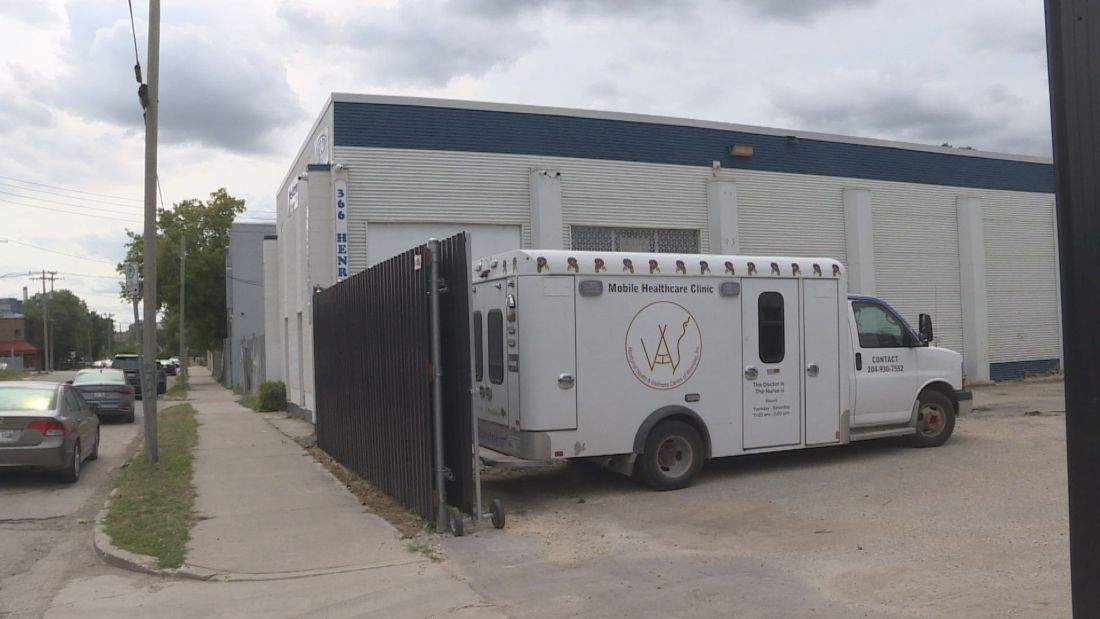
Winnipeg finally has its first supervised consumption site. After months of delays, public fights over location, and fierce political arguments, the doors are open at 366 Henry Avenue.
If you look at local social media feeds right now, you would think this facility is either a miraculous cure-all or a disaster waiting to happen. Both sides are wrong. Real life sits in the messy middle, and understanding how this site actually functions requires stripping away the political noise.
The Reality Behind the Henry Avenue Facility
Let us look at what is actually happening on the ground. Operated by the Aboriginal Health and Wellness Centre in partnership with the province, the temporary setup runs five days a week from Tuesday through Saturday. It uses a modified layout—an RV previously deployed for COVID-19 vaccinations handles injection supervision, while a separate canopy area accommodates inhalation.
Up to twelve clients can use the space at a time. Eight staff members are on duty, including nurses and crisis counsellors, ready to administer oxygen or naloxone if an overdose occurs.
The site does not supply drugs. Instead, it provides a clinical safety net while toxic street supplies continue to claim lives across Manitoba.
Addictions Minister Bernadette Smith put it bluntly during the opening: "We can't treat people who aren't alive."
Why the Rollout Took So Long
This project did not happen overnight. The NDP government initially planned to open a site near the Disraeli Freeway in 2025. That plan collapsed after intense pushback from local residents and business owners who worried about proximity to residential areas and family spaces.
The province shifted gears and landed on the industrial pocket west of Main Street on Henry Avenue. Even then, criticism persisted. Opposition Progressive Conservatives argued that capital and operational funding should have bypassed harm reduction entirely to expand long-term detox and treatment beds.
Critics like activist Joseph Fourre voiced fears that temporary setups lack immediate pipelines into permanent recovery programs. Meanwhile, business owners near the site raised legitimate questions about neighbourhood security and foot traffic.
These aren't trivial concerns. When you launch a public health intervention in an inner-city neighborhood, local impact matters. Ignoring community pushback breeds resentment, but letting fear stall life-saving healthcare gets people killed.
The Core Objective Is Primary Care
Many casual observers misunderstand what supervised consumption is meant to achieve. It is not just a room with chairs. It functions as an entry point for primary health care.
Health Minister Uzoma Asagwara stresses that the site connects vulnerable individuals with nurses, nurse practitioners, and physicians who understand addictions medicine. Patrons can test their drugs to check for dangerous adulterants, receive on-site wound care, and talk to support workers about housing or medical detox.
Downtown Community Safety Partnership foot patrols accompany clients leaving the facility to discourage loitering and guide people toward other services. The goal is simple. Get drug use off public streets, keep people alive through toxic batches, and build a bridge toward lasting recovery when individuals are ready to take that step.
Moving Forward Responsibly
Setting up a supervised consumption site is just the first hurdle. The real test is execution.
If you are following this issue or living in Winnipeg, look past the shouting matches. Watch how well the wraparound services perform over the coming months. Pay attention to whether treatment wait times drop and how effectively the province manages neighborhood relations.
Change is messy, and public health in the middle of an overdose crisis is never clean or easy.
Walk through the facts, demand accountability from local leaders, and judge the site by whether it actually saves lives and connects people to real help.