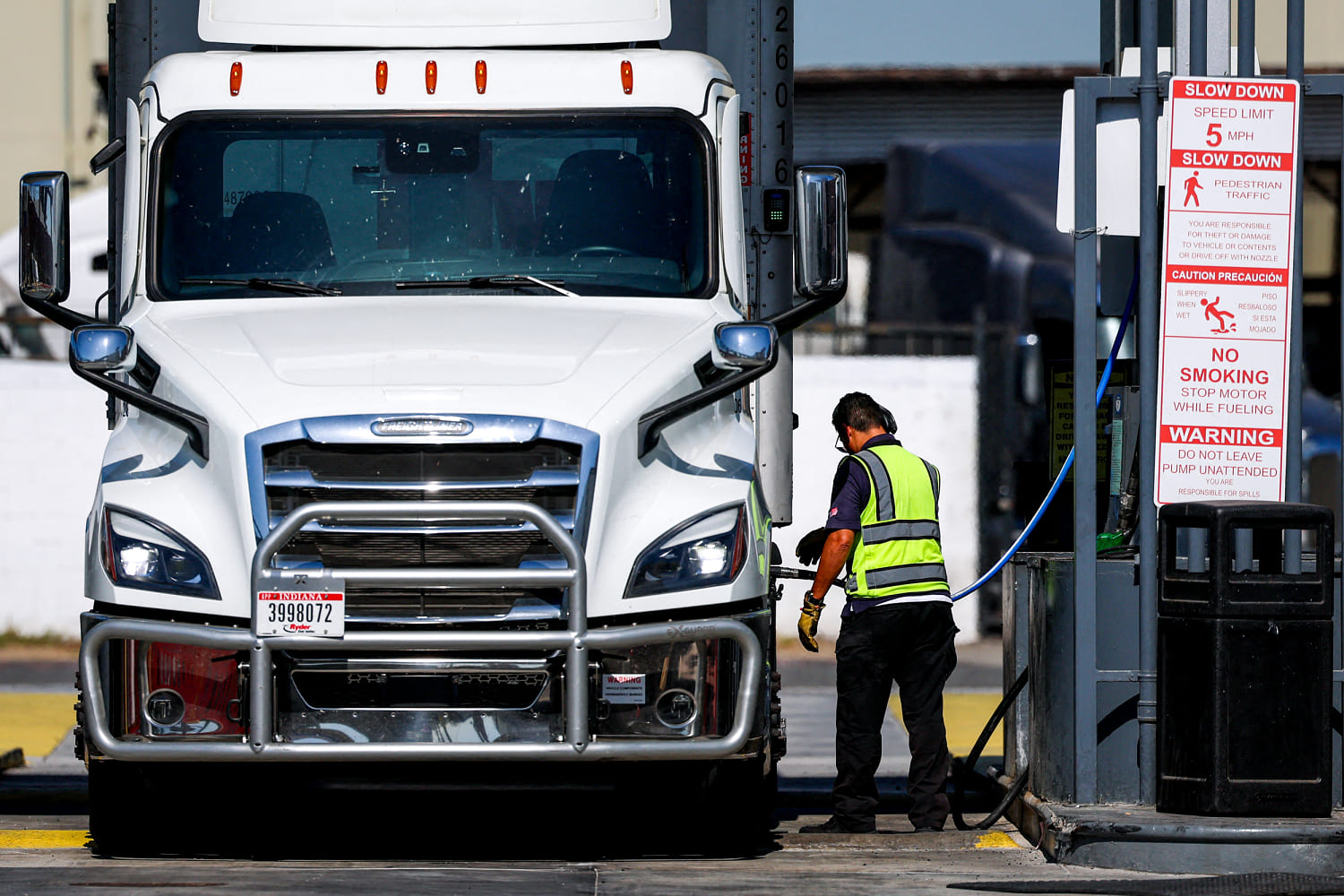
The headlines are screaming about crude touching ninety-seven dollars a barrel and diesel prices hitting annual highs, and the entire financial commentariat is losing its collective mind. Every television talking head is dusting off their favorite 1970s stagflation playbook, warning you that $100 oil is the anvil upon which the global economy is about to get hammered. They want you to panic. They want you to blame OPEC cartels, geopolitical saboteurs, or refinery outages.
They are completely missing the point.
I have watched traders panic-buy futures on bad data and corporate boards waste millions hedging against the wrong risk for two decades. The panic over crude is a distraction. Crude oil is a headline number designed to grab clicks and scare retail investors. Diesel is where the real mechanics of the global economy break down, and the conventional wisdom about why diesel is surging is dead wrong.
Stop looking at the crude ticker. Look at the middle distillates.
The Lazy Consensus is Killing Your Portfolio
The standard narrative goes like this: rising oil equals rising diesel, which equals crushing inflation for shipping, manufacturing, and agriculture. Refineries are supposedly choked, crude supply is tight, and we are careening toward a fossil-fuel crunch.
It is a neat, tidy story. It is also fundamentally lazy.
When you dig into the inventory data from the EIA and international tracking agencies, a much uglier and more structural truth emerges. The squeeze on diesel has almost nothing to do with a sudden shortage of sweet crude sitting in a tanker off the coast. It is the result of a decade of deliberate underinvestment in complex refining capacity, combined with a regulatory cage that forced refiners to prioritize jet fuel and gasoline yields while completely ignoring the structural demand for heavy transport fuel.
We didn't run out of oil. We systematically dismantled the chemical engineering required to turn crude into the specific fraction that heavy machinery actually eats.
Imagine a scenario where every major energy firm spends five years bowing to environmental, social, and governance pressures by starving downstream infrastructure of capital, only to act shocked when the global truck fleet cannot find enough diesel to deliver groceries. That is not a market failure. That is a self-inflicted wound.
Why the Crude Price is a Vanity Metric
Let us clear up a foundational misunderstanding right now. Crude oil is a commodity basket, but diesel is a finished industrial product with completely decoupled supply-demand fundamentals. Treating them as a single linear equation is financial illiteracy.
Crude can sit in storage tanks, float on supertankers, or stay locked in shale basins. It does no work on its own. It requires hydrocrackers, catalytic cracking units, and hydrotreaters to become useful.
Global refining capacity for middle distillates has shrunk in real terms over the last six years. Environmental mandates forced the retirement of older, dirtier refineries in North America and Europe. At the same time, new mega-refineries in the Middle East and Asia faced endless commissioning delays and technical hiccups.
When diesel prices spike while crude remains well below historical panic peaks of $140, it tells you that the bottleneck is not in the ground. It is in the pipes and towers of processing plants.
The market is pricing in a crude shortage when it is actually experiencing a processing famine. Analysts who tell you that oil hitting ninety-seven dollars means the economy is overheating are looking at the smoke and ignoring the arsonist.
The Downside of the Contrarian Play
I would be lying to you if I said playing this dislocation is easy money. The contrarian stance on diesel and crude carries massive operational risks that will bankrupt amateur traders who try to trade headline noise.
The primary downside of betting against the crude panic is timing. Markets can stay irrational longer than your margin account can stay solvent. If you short crude because the fundamentals scream processing bottleneck rather than crude scarcity, a sudden geopolitical flare-up in the Middle East can trigger a headline-driven squeeze that wipes you out before the structural reality catches up with the price.
Furthermore, refining margins are notoriously volatile. When distillate cracks blow out, refiners print money for a quarter, then overcorrect by flooding the market with product, collapsing spreads just as fast.
Playing this game requires accepting that you will look stupid in the short term while you are proven right in the long term. If you cannot stomach drawdowns while the herd chases the shiny object of $100 oil, stay out of the pit.
What You Should Do Instead of Hyperventilating
If you are running a logistics company, a manufacturing firm, or an investment portfolio, stop listening to macroeconomic prognosticators who treat oil like a weather report.
First, ignore the headline crude price. It is a lagging indicator of panic, not a leading indicator of inflation. Track diesel crack spreads instead. That is the true pulse of industrial activity. If crack spreads are widening while crude is flat or falling, your supply chain costs are going up regardless of what OPEC says.
Second, audit your fuel hedging strategies. Most corporate hedging programs are backward-looking traps that buy protection against crude price spikes while leaving the company completely exposed to localized diesel basis risks. Hedging Brent or WTI when your actual cost exposure is ultra-low-sulfur diesel is like buying fire insurance on your neighbor's house while yours lacks a roof.
Finally, recognize that high diesel prices are here to stay, regardless of whether crude dips back to eighty dollars or touches one hundred ten. The structural deficit in complex refining capacity will take years to solve, assuming capital even flows back into fossil fuel processing infrastructure—which it won't, thanks to political headwinds.
The era of cheap, abundant middle distillates is over. Stop waiting for the storm to pass, and start building a business model that survives the permanent tax on movement.