The afternoon air in Twin Falls on a Saturday in late summer should smell like asphalt baking under a high desert sun and the distant, dry promise of a cooling evening. Instead, on Blue Lakes Boulevard North, the air last weekend curdled into chaos.
A newly opened restaurant, meant to be a simple hub of bright red lettering, fresh-cut potatoes, and the mundane comfort of a double-double, transformed into something else entirely. Three lives were abruptly extinguished. Seven others absorbed injuries ranging from jagged flesh wounds to critical trauma that kept hospital doors revolving through the night. Don't miss our earlier coverage on this related article.
Behind the police tape and the rapid-fire mobile alerts lie the fragments of real human existence. Real people. Real futures abruptly snapped shut.
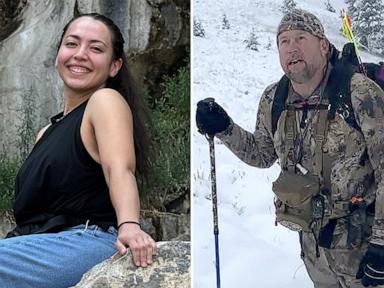
Consider Ashley Garibay. To read more about the background of this, NBC News provides an informative breakdown.
At twenty-three years old, Ashley was thousands of miles away from her familiar routine in Stockton, California, doing what dedicated employees do. She was traveling to help launch a brand-new storefront, lending her experience to a rookie team finding its footing in Idaho. Her family would later remember her not as a casualty statistic, but as a radiant heart, a daughter, a sister, an auntie, and a fierce friend who left a permanent warmth on everyone she encountered. She was simply doing her job. She was taking care of customers.
Then came the violence.
The shooter, identified by local authorities as twenty-four-year-old Chad Williams, acted alone before turning a weapon on himself. But long before the final shot echoed across the pavement, an ordinary Saturday afternoon shattered into a mosaic of terror. Families sitting down for a quick bite were suddenly forced to run, duck, or shield one another.
Out in the drive-thru lane, ordinary routines collided with extraordinary horror. Jordan Salinas and his girlfriend were pulling in for lunch when the human tide rushed past their windows. Most people freeze. Some instincts pull others forward. An off-duty state trooper and a private citizen—armed and trained—made the split-second calculation to return fire, pulling the gunman's focus away from fleeing families and buying crucial seconds that police later credited with saving countless lives.
Yet, tactical interventions and police briefings do little to soothe the families waiting in hospital waiting rooms or staring at phones that will never ring the right way again.
Out of the seven injured, the medical toll was immediate and severe. St. Luke's Magic Valley hospital locked down its emergency apparatus as victims poured through the doors. Two individuals hovered in critical condition. Three others stabilized under the watchful eyes of trauma nurses. Two managed to escape the physical footprint of the horror with early discharges, though the psychological footprint remains an entirely different burden.
We talk about mass violence in macro terms. We analyze response times. We debate motives that investigators struggle to unearth. We count the dead and tabulate the wounded.
We forget the texture of a Tuesday morning when someone doesn't come home.
In Stockton, a father rushed back from Mexico upon receiving the devastating news. In corporate offices, leadership penned heavy-hearted statements about losing a member of their extended family. In local neighborhoods across southern Idaho, regular patrons look at a fast-food drive-thru sign with a newly acquired hesitation.
The investigation grinds forward. Federal agencies assist local police. Detectives comb through digital footprints and witness accounts to piece together why a life was thrown away so carelessly. But no amount of official findings can stitch back together the fabric of a room where innocent people sat eating lunch, entirely unaware that the world was about to change forever.
The sirens have long since faded from Blue Lakes Boulevard. The cameras have packed up their lenses. What remains is the quiet, heavy work of grief, echoing long after the last public report is filed.


