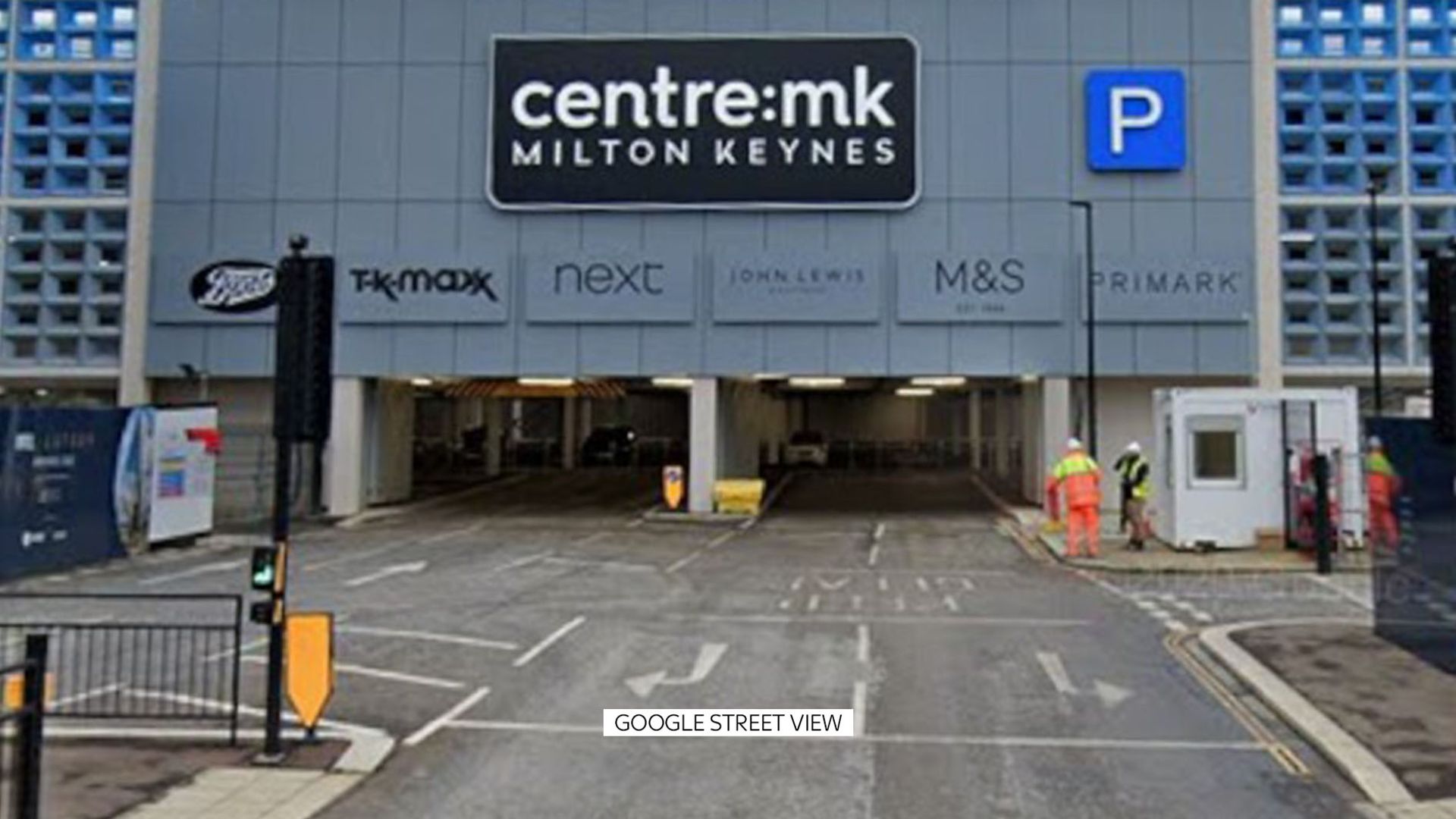
A man is in custody following a fatal stabbing at a major retail hub, an incident that has once again shattered the illusion of safety in our public commons. While the immediate focus remains on the police investigation and the capture of the suspect, the broader conversation must shift toward the structural decay of security in high-traffic commercial zones. We are witnessing a collision between increasing social volatility and a retail security model that was never designed to handle blade-related violence.
The victim was attacked in broad daylight. This wasn't a dark alleyway or a secluded park; it was a space designed for leisure and consumption, supposedly guarded by a network of cameras and uniformed staff. The arrest provides a sense of closure for the legal system, but it does nothing to address the systemic vulnerabilities that allowed a weapon to enter a crowded family environment undetected. For another view, consider: this related article.
The Illusion of the Managed Environment
Shopping centres operate on the principle of the "managed environment." Developers and management firms spend millions on aesthetics, lighting, and ambient music to create a sense of frictionless comfort. The goal is to keep you relaxed so you keep spending. However, this focus on hospitality has come at the expense of hard security.
Most retail security guards are trained for loss prevention—stopping shoplifters—or "customer service security," which involves giving directions and looking approachable. They are often underpaid, minimally trained, and strictly instructed not to engage in physical altercations due to liability concerns. When a knife is pulled, these "security" measures evaporate. The uniform becomes a target rather than a deterrent. Related analysis on the subject has been provided by Associated Press.
The reality is that these centers have become soft targets. They possess the high density of a stadium or an airport but without the perimeter checks or metal detection. We have prioritized the "open feel" of the mall over the physical safety of the occupants, and the cost of that trade-off is being paid in blood.
Why Surveillance Fails to Prevent the First Strike
We are told that CCTV is the ultimate deterrent. In the aftermath of this latest stabbing, high-definition footage likely played a role in identifying the suspect and tracking his movements toward an arrest. This is great for the prosecution, but it is useless for the victim.
Surveillance is a reactive tool. It documents a tragedy; it rarely interrupts one. In many modern shopping complexes, the control rooms are understaffed, with a single operator monitoring dozens of screens. By the time an operator notices a scuffle and dispatches a team, the damage is done. A stabbing takes seconds. A security response takes minutes.
To truly secure these spaces, we need to move away from the "record and report" model. There is a growing argument for the implementation of AI-driven behavioral analytics that can flag aggressive movements or the drawing of a weapon in real-time. However, the industry is hesitant. The cost of such systems is high, and the potential for "alarming" shoppers is seen as a threat to the bottom line.
The Weaponization of the Everyday
There is a grim trend in urban violence involving the move toward knives and improvised weapons. Unlike firearms, which are harder to obtain and easier to detect via traditional means, a blade is silent, easily concealed, and terrifyingly effective at close range.
The suspect arrested in this case represents a demographic that law enforcement is struggling to profile effectively. Whether the motive was a targeted dispute or a random act of madness, the common denominator is the availability of the weapon. Our current approach to public safety assumes a level of social cohesion that is rapidly fraying. We are applying 1990s security logic to a 2026 reality.
The Liability Loophole
Why haven't shopping centres adapted? Follow the money. Under current legislation in many jurisdictions, a property owner is rarely held fully liable for the criminal acts of a third party unless it can be proven that there was "gross negligence."
As long as a mall has a visible security presence and functioning cameras, they are generally protected from massive civil payouts. This creates a "standard of care" that is focused on legal box-ticking rather than tactical effectiveness. It is cheaper to pay an insurance premium than it is to station armed responders or install concealed weapons detection systems at every entrance.
The Psychological Scars on the High Street
Beyond the physical loss of life, these incidents trigger a profound psychological withdrawal. The "high street" and the shopping mall are some of the few remaining places where different socioeconomic groups mix. When these spaces become associated with fatal violence, the flight to digital commerce accelerates.
People don't stop shopping; they just stop going out. This hollows out the city center, leading to less "eyes on the street" and creating a feedback loop where the area becomes even more dangerous. The arrest of one individual does not fix the "fear of the crowd" that settles in after such a public display of brutality.
The Tactical Shift Required
If we are to keep these spaces open, the "hospitality first" model must die. We need a tiered security approach that incorporates:
- Active Threat Training: Security staff must be trained in bleeding control and tactical intervention, not just observing and reporting.
- Concealed Detection: Modern technology allows for the detection of large blades and firearms without the need for intrusive "TSA-style" checkpoints. Low-profile sensors can be integrated into decorative pillars or entryways.
- Rapid Lockdown Protocols: Most shopping centers have fire drills, but few have effective "active killer" protocols that can segment a building to trap a suspect or protect civilians.
The arrest of the suspect in this fatal stabbing is the beginning of a legal process, but it should be the end of our complacency. We cannot continue to treat these incidents as isolated tragedies. They are symptoms of a security infrastructure that is fundamentally broken and a retail industry that is too afraid of "looking scary" to actually keep its customers alive.
Demand more than just "thoughts and prayers" from the corporations that manage these hubs. Ask why, in an age of total surveillance, a man can carry a weapon into the heart of a city and use it with impunity. The answer lies in the spreadsheets of property management firms that have decided your safety is an overhead they can afford to trim.
Check the security ratings of the venues you frequent and voice your concerns to management directly; your physical presence is the only leverage they understand.