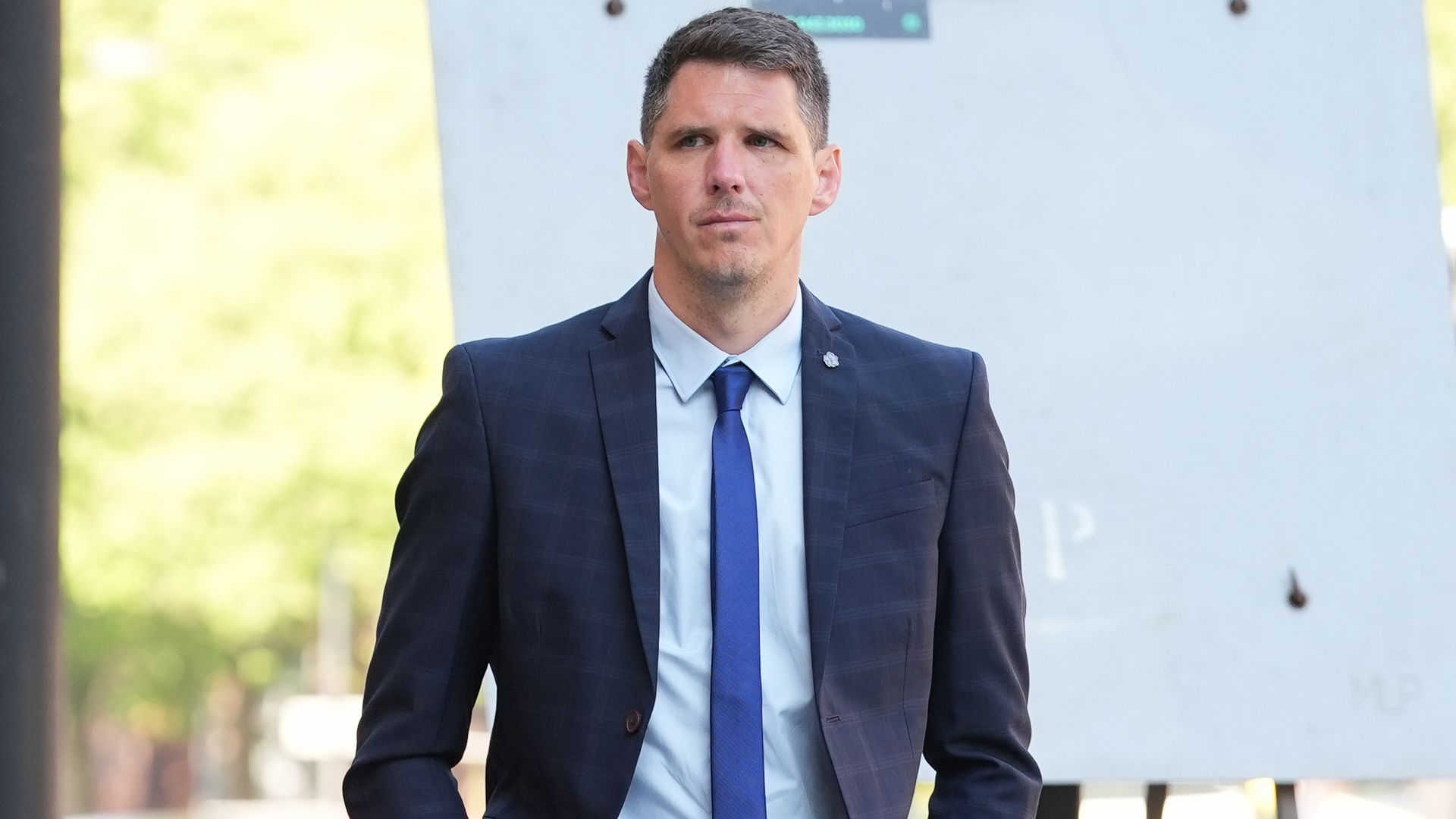
Hashim Thaci, the former guerrilla commander who steered Kosovo toward independence and once shook hands with world leaders in Western capitals, now faces a staggering 25-year prison sentence for war crimes handed down by a specialized tribunal in The Hague. Former Kosovo President Hashim Thaci was convicted of persecution, murder, torture, and enforced disappearances stemming from the late 1990s conflict against Serbian forces, marking a monumental turning point for a region still wrestling with the ghosts of the breakup of Yugoslavia.
The courtroom in the Netherlands was quiet when the verdict dropped. Decades of political maneuvering, state-building, and international diplomacy collapsed into a stark legal reality. For years, the narrative in Pristina and across many Western diplomatic circles treated the Kosovo Liberation Army leadership as standard-bearers of liberation against Slobodan Milosevic's brutal apparatus. This ruling shatters that clean dichotomy, exposing the brutal, transactional nature of guerrilla warfare and forcing an uncomfortable reexamination of accountability in international justice.
The Architecture of Accountability
The Kosovo Specialist Chambers was never designed to be popular. Established in The Hague with international judges and domestic law applied through an externalized framework, the court was created precisely because local judiciaries in the Western Balkans often remain too fractured, politically vulnerable, or ethnically polarized to try high-ranking commanders impartially.
When international prosecutors laid out their case against Thaci and his co-accused—Kadri Veseli, Rexhep Selimi, and Jakup Krasniqi—they did not focus merely on individual acts of violence. They mapped an institutional hierarchy. The indictment argued that the KLA's political and military directorate exercised effective control over detention facilities where opponents, suspected collaborators, and minority civilians were subjected to systematic abuse.
In investigative journalism, we look for the paper trail and the structural command lines. The prosecution presented intercepted communications, witness testimonies from both Albanian and non-Albanian survivors, and internal command documents demonstrating that the leadership knew or should have known about the abuses occurring within their operational zones. Critics often dismissed the tribunal as an unfair balancing act meant to appease Belgrade by targeting ethnic Albanians alongside prosecuted Serbs. Yet, the judges in The Hague operated on a strict evidentiary standard, parsing the messy reality of an irregular militia transitioning into a political administration.
Guerrilla movements rarely maintain pristine command chains. They rely on local commanders, autonomous cells, and fragile alliances. Proving command responsibility requires bridging the gap between political rhetoric and boots-on-the-ground atrocities. The judges found that the nexus of control was sufficient, establishing a precedent that liberation struggles do not grant immunity from international humanitarian law.
The Domestic Aftershock in Pristina
Walking the streets of Pristina today reveals a society caught between conflicting versions of its own history. To the vast majority of Kosovo Albanians, Hashim Thaci remains a founding father. Statues, murals, and public discourse frame the KLA war as a defensive necessity against ethnic cleansing. The verdict has been met not with civic reflection, but with widespread anger, widespread disbelief, and accusations of international betrayal.
Political leaders in Kosovo now face a severe governance dilemma. For over two decades, the political landscape was dominated by former KLA commanders who successfully transitioned into democratic office. Thaci’s conviction removes the last heavyweight of that generation from active political life, accelerating a generational power shift. Yet, the vacuum left behind is filled with deep institutional anxiety.
Economic stagnation, youth emigration, and stalled normalization talks with Serbia compound the crisis. The international community, led by the European Union and the United States, pushed hard for the establishment of the tribunal, prioritizing long-term regional rule of law over short-term political stability. That gamble is now being tested in real time. If the verdict alienates a population that feels its entire national liberation movement has been criminalized, the path toward regional reconciliation narrows significantly.
The Geopolitical Fallout Across the Western Balkans
Beyond Kosovo’s borders, the verdict reverberates through capitals from Belgrade to Brussels. Serbian officials have seized upon the ruling to validate their longstanding narrative regarding KLA criminality, though Serbian state actors face their own extensive history of unpunished atrocities from the same conflict. The danger lies in how political elites across the Balkans weaponize legal verdicts to stoke ethnic nationalism, deflecting attention from domestic corruption and failing public services.
Western diplomats find themselves in a delicate diplomatic posture. For years, Washington and Brussels backed figures like Thaci because they delivered on strategic compromises, such as the 2013 Brussels Agreement or various steps toward regional integration. Realpolitik often required working with flawed partners who held the keys to internal stability. Now, the institutional architecture of international justice has collided with geopolitical expedience.
The trial demonstrates that international courts can pierce the armor of untouchable wartime leaders, but it also highlights the limits of legal tribunals in fostering genuine reconciliation. A courtroom can deliver a 25-year sentence, but it cannot rewrite the collective memory of a traumatized population or substitute for local political dialogue.
As Thaci begins his sentence, the Western Balkans remain suspended between an unresolved past and an uncertain future. The verdict has redefined the boundaries of accountability for guerrilla leaders worldwide, signaling that victory on the battlefield does not permanently shield commanders from the long arm of the law. The real test is whether Kosovo's institutions can weather this profound existential shock and build a civic identity that transcends the wartime legacy of its founders.