Power has a distinct scent. In the high-ceilinged corridors of Damascus, it smells of cold marble, polished mahogany, and the absolute certainty that the rules written for ordinary mortals simply do not apply. For decades, the name Assad carried a gravitational pull so immense that entire lives, fortunes, and futures bent effortlessly around it. To be part of that bloodline was to possess an invisible armor. You could rewrite contracts, silence dissent, and operate in a stratosphere far above the reach of consequence.
Until you couldn't.
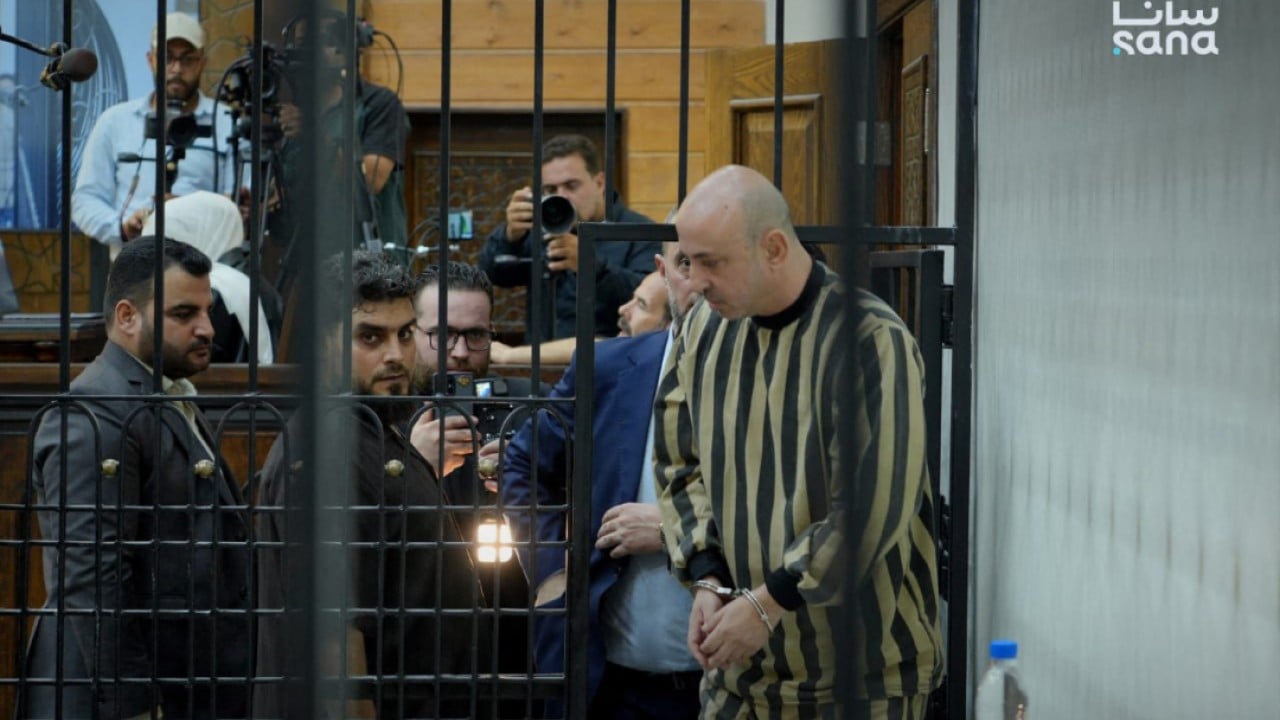
A Syrian court has delivered a verdict that would have been unthinkable a few years ago, sentencing a detained cousin of Bashar al-Assad to death for crimes against humanity. Let that sink into the quiet spaces of your morning. Not a distant warlord. Not an anonymous functionary caught in the fog of a fractured state. A blood relative. A man who once walked the halls of untouchable privilege, now stripped of his title, his safety, and finally, his life.
History teaches us that authoritarian regimes rarely collapse from the outside first. They rot from within. The architecture of absolute control requires an immense amount of maintenance, and when the foundation begins to shift, the people closest to the center are often the first to be crushed beneath the weight of falling masonry.
Consider the mechanics of impunity. When an elite family holds a nation in a chokehold, its members operate under the intoxicating delusion of permanence. They build empires on sand, convinced the tide will never rise. But tectonic plates move slowly until they rupture. The legal proceedings against this cousin—conducted amid the ruins of a state trying desperately to find a semblance of accountability—signal a terrifying reality for anyone who ever traded on a famous last name. The shield has turned into a target.
To understand the human cost of this ruling, we have to look past the cold legal jargon of international tribunals and domestic statutes. We have to look at the shadows left behind in the streets of Homs, Aleppo, and Damascus. Every crime against humanity begins with an individual decision to inflict suffering, backed by the quiet confidence that tomorrow will bring no reckoning.
Imagine standing in a crowded courtroom where the air is thick with the dust of a broken country. The accused sits behind glass, stripped of the tailored suits and the casual arrogance that once defined his existence. He is just a man now. A man facing the ultimate ledger.
This judgment is not merely about one man's guilt. It is a tectonic stress test for a legal system gasping for breath. Critics will rightly question the speed, the motives, and the political currents swirling beneath the surface of the verdict. Justice in a land recovering from systemic devastation is rarely clean or absolute. Yet, symbolism matters. When a regime built on nepotism and fear starts consuming its own to survive, the narrative changes. The untouchable caste has been breached.
We often wonder how tyrannies finally break. We look for grand cinematic revolutions, sweeping armies, and dramatic midnight raids. But true fracture often looks administrative, bureaucratic, and chillingly cold. It looks like a judge signing a death warrant. It looks like the law, long dormant and weaponized, finally biting the hand that fed it.
The execution order hangs in the heavy air like a storm warning. For the survivors of a conflict that redefined human endurance, no single verdict can stitch a torn nation back together. No piece of paper can resurrect the dead or restore the years stolen from millions.
Yet, as the ink dries on the court's decree, a silent message ripples through the remnants of the old guard. The era of absolute immunity is fracturing. No name is heavy enough to anchor a sinking ship forever.
The tide has reached the high-water mark. And the water is cold.