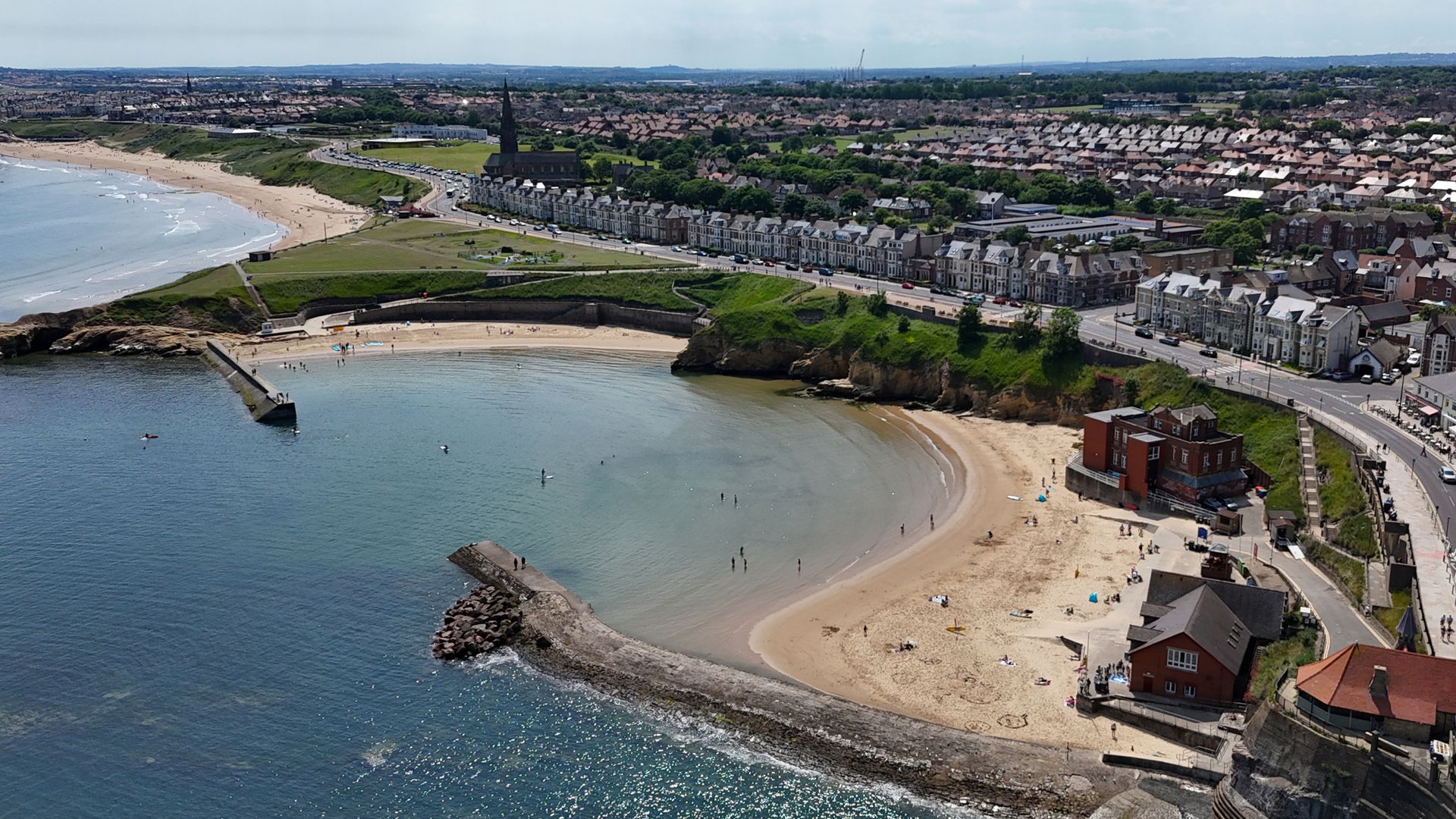
A tragic incident off the North Tyneside coast recently claimed the life of a man in his 20s. Emergency services, including HM Coastguard, the RNLI, and Northumbria Police, responded to reports of a person in distress in the water near Cullercoats and Tynemouth. Despite rapid deployment and resuscitation efforts on the beach, the young man was pronounced dead. While local authorities frequently classify these events as isolated misfortunes, an examination of regional maritime data, emergency response times, and coastal infrastructure reveals systemic vulnerabilities that turn routine recreational mishaps into fatal outcomes.
Every year, the stretch of coastline between South Shields and Whitley Bay draws hundreds of thousands of visitors. It also demands an immense toll from volunteer rescue crews and underfunded local infrastructure. When a tragedy like this occurs, the public narrative usually focuses on the unpredictability of the sea or personal misadventure. This perspective is incomplete. The reality is that Britain’s northeastern waters are becoming increasingly hazardous not because the environment has changed, but because our collective approach to coastal safety management has stagnated.
The Illusion of a Safe Shoreline
The North Sea is deceptive. Unlike the rolling swells of the Atlantic on the south-west coast, the waters off North Tyneside suffer from erratic rip currents, sudden shelf drops, and exceptionally low temperatures that remain dangerous even in mid-summer. A swimmer entering the water at King Edward’s Bay or Cullercoats Watch House can experience cold water shock in less than sixty seconds. This physiological reaction triggers involuntary gasping, hyperventilation, and an immediate loss of muscle control.
Local councils often rely on static signage to warn beachgoers of these hazards. This approach is cheap, but it is dangerously ineffective. Studies in maritime risk communication show that static warning signs are routinely ignored by visitors who suffer from "optimism bias"—the belief that accidents only happen to other people.
Furthermore, the presence of picturesque promenades and bustling coastal businesses creates a false sense of security. People look around, see families eating ice cream and dogs chasing balls, and assume the water is inherently safe. It is a psychological trap. The transition from a controlled urban environment to a wild, unforgiving marine ecosystem happens over the span of a few meters.
The Fractured Resource Model
When a swimmer gets into trouble off North Tyneside, a complex, multi-agency apparatus swings into action. HM Coastguard coordinates the response from a regional command center, tasking local RNLI lifeboats from Tynemouth or Cullercoats, alongside land-based volunteer lifeguard units and police helicopters.
On paper, this system looks formidable. In practice, it relies heavily on the goodwill of volunteers and charitable donations. The RNLI is not a state-funded emergency service. It is a charity. While its crews display immense bravery and professionalism, relying on a charity to safeguard critical national infrastructure—which is what our public coastlines are—introduces inherent risks.
- Mobilization Delays: Volunteer crews must drop their day jobs, drive to the lifeboat station, change into gear, and launch the craft. Every second spent in transit is a second where a casualty faces cold water immersion.
- Peak Demand Strain: During hot weekends, emergency services are frequently overwhelmed by simultaneous incidents, stretching assets thin across miles of coastline.
- Asset Allocation: As local council budgets face severe cuts, seasonal lifeguard patrols on lesser-known beaches are often scaled back or eliminated entirely, pushing crowds toward unmonitored zones.
The reliance on a patchwork of volunteer groups and municipal funding means that safety coverage is uneven. A visitor swimming at 2:00 PM on a July afternoon enjoys a vastly different safety net than someone entering the water at 7:00 PM on a September evening, despite the environmental hazards remaining identical.
The Engineering Deficit
Fixing this crisis requires looking beyond public awareness campaigns and examining the physical infrastructure of the coast. For decades, coastal engineering in North Tyneside has focused primarily on erosion control and protecting property from storm surges. Public safety has been an afterthought.
Many of the piers, breakwaters, and sea walls in the region were constructed during the Victorian era or the mid-20th century. These structures alter local hydrodynamics, often creating permanent, powerful rip currents right alongside the structures where people like to swim or walk.
Modernizing Coastal Infrastructure
To significantly reduce drownings, the approach to coastal design must shift from passive containment to active prevention.
| Current Infrastructure | Associated Risk | Modern Alternative |
|---|---|---|
| Traditional concrete slipways | Algae growth creates severe slip hazards near deep water | Textured, self-draining composite materials |
| Open-access stone piers | Encourages wave-watching during high swells without barriers | Smart gates that automatically lock during dangerous sea states |
| Isolated lifebuoy stations | High rates of vandalism and delayed deployment | Monitored emergency hubs with automatic GPS alerts upon removal |
Implementing these changes requires capital investment. Local authorities frequently argue that funds are unavailable, pointing to compressed budgets and competing statutory demands like social care and education. This argument ignores the immense economic cost of fatal accidents, which include extensive police investigations, coroner inquests, emergency service mobilization, and the long-term economic loss to families and communities.
Redefining Public Accountability
When a young life is cut short on the coast, the immediate response is grief, followed by a brief period of local hand-wringing. Then the news cycle moves on. The systemic issues remain untouched, waiting for the next combination of high tide, warm weather, and human error to claim another victim.
We must stop treating these fatalities as unavoidable tragedies. They are predictable outcomes of a system that underfunds coastal management, over-relies on volunteer rescue services, and refuses to upgrade antiquated infrastructure. True accountability means demanding that local governments and national maritime agencies treat coastal safety as a core public health issue, rather than a seasonal logistical hurdle.
This requires a fundamental reassessment of how we manage the boundary between our towns and the sea. Until we bridge the gap between public perception of safety and the brutal reality of the North Sea, the coast of North Tyneside will remain a place where a simple mistake carries the ultimate price.