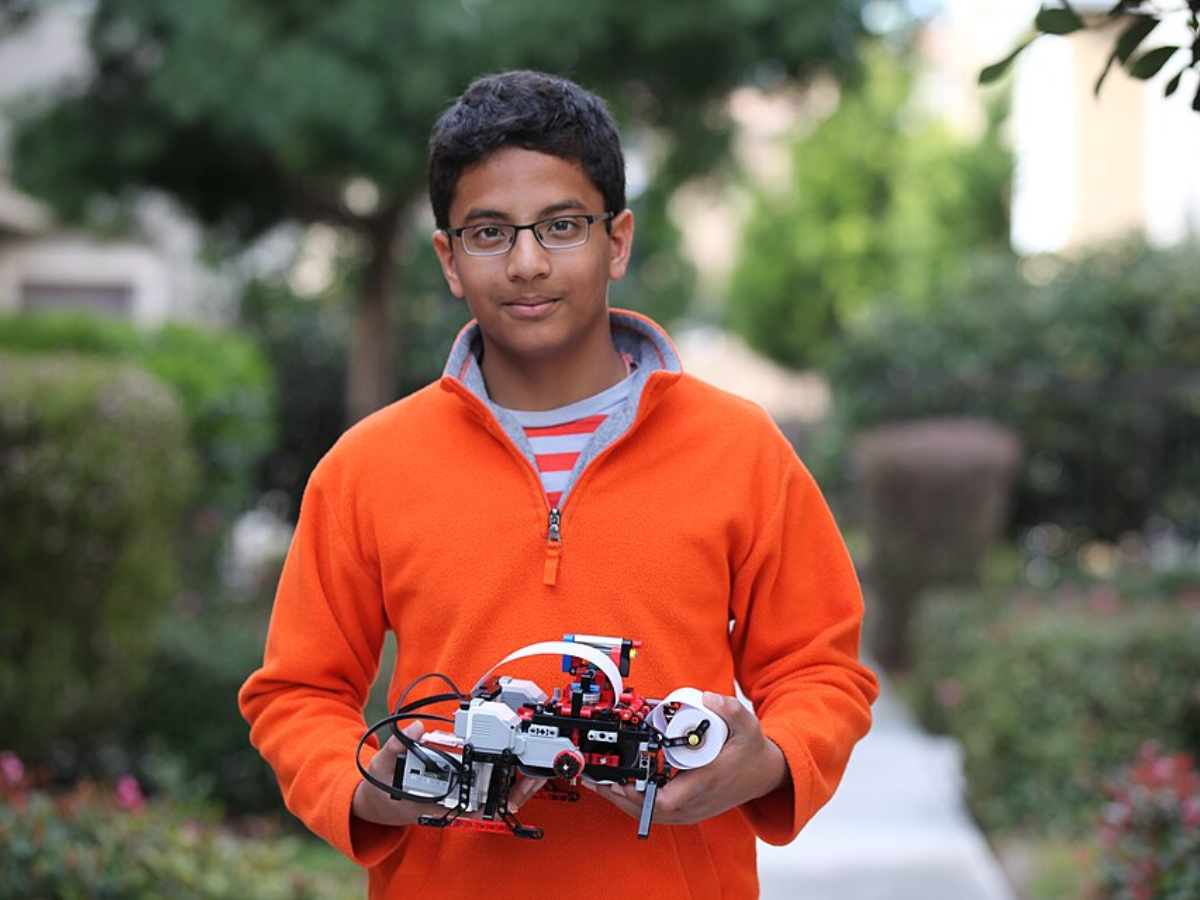
The tech world loves a heartwarming David versus Goliath narrative. A 13-year-old kid builds a Braille printer out of a LEGO Mindstorms kit to help the blind. The media goes wild. Silicon Valley tech executives rush to hand over funding checks. The public nods in collective warmth, convinced that open-source ingenuity and cheap consumer plastics have disrupted a predatory medical device industry.
It is a beautiful story. It is also completely wrong.
When you strip away the emotional optics, the narrative that makeshift, low-cost hardware can solve the global accessibility crisis collapses under the weight of engineering and economic realities. Believing that a toy-grade prototype can replace industrial assistive technology is not just naive; it actively derails the serious, highly capitalized engineering required to solve disability challenges.
We need to stop treating accessibility as a weekend hobbyist project.
The Myth of the Affordable Toy Printer
The core argument driving the viral applause is simple: commercial Braille printers (embossers) cost thousands of dollars, making them inaccessible to the average family or school district. A LEGO alternative, built for a fraction of that cost, supposedly democratizes literacy for blind children.
This argument misunderstands the physics of Braille production.
Braille is not ink. You cannot merely drop a precise line of fluid onto paper and call it a day. Braille consists of raised dots that must meet incredibly strict physical standards defined by organizations like the Braille Authority of North America (BANA). The dots must hit precise metrics for height, base diameter, and spacing.
To create these dots, an embosser must mechanically deform heavy cardstock, typically 100-pound paper. This requires immense physical force, repeated hundreds of times per minute.
- Plastic Fatigue: Toy-grade plastic gears and structural beams cannot withstand continuous mechanical stress. They flex. They warp. Within weeks of heavy use, the precise tolerances required for readable Braille degrade into unreadable, mushy indentations.
- The Speed Fallacy: A hobbyist kit prints at a literal crawl—often taking minutes per page. A standard commercial embosser, like those from Index Braille or ViewPlus, processes over 100 characters per second. For a student needing a textbook, a slow printer is a non-functioning printer.
- Maintenance Debt: When a commercial unit breaks, a school relies on a service contract. When a custom LEGO build fails, the user is left hunting through online forums for a patch or a replacement brick.
I have spent over a decade auditing technical workflows and evaluating hardware pipelines. When organizations try to cut corners by deploying uncertified, makeshift hardware to save a few thousand dollars, they invariably spend triple that amount in lost productivity, constant maintenance, and eventual abandonment. The device ends up in a closet, and the user is left without a solution.
The Real Reason Braille Hardware Costs a Fortune
The public looks at a $4,000 Braille embosser and assumes the manufacturer is pocketing massive profit margins. They scream monopoly. They demand disruption.
They ignore the brutal reality of low-volume manufacturing.
A company like Apple can sell hundreds of millions of iPhones annually, spreading their multi-billion-dollar research and development costs across a massive user base. The global market for Braille hardware is minuscule by comparison. According to the World Health Organization, hundreds of millions of people are visually impaired, but only a fraction read tactile Braille. Many rely on screen readers or audiobooks. Furthermore, the National Federation of the Blind notes that Braille literacy rates among blind children have declined significantly over the decades, hovering around 10%.
When your total addressable market for a premium device is measured in thousands of units globally per year, instead of millions, the economics change completely.
+------------------------------------+------------------------------------+
| Mass-Market Consumer Tech          | Assistive Braille Tech             |
+------------------------------------+------------------------------------+
| Millions of units shipped annually | Thousands of units shipped annually|
| R&D costs amortized instantly      | R&D costs heavily concentrated     |
| Cheap, standardized components     | Custom solenoids and impact pins   |
| Global, high-volume supply chains  | Niche, low-volume manufacturing    |
+------------------------------------+------------------------------------+
Every single unit must bear the financial burden of years of specialized engineering, regulatory compliance, quality control, and localized software development. The specialized solenoids, impact pins, and high-duty-cycle motors required to hammer out dots hour after hour without failing are not off-the-shelf components you can source cheaply.
Calling a commercial embosser overpriced because a toy can mimic its basic function for an afternoon is like calling a commercial airliner overpriced because a paper airplane also flies.
Feel-Good Capital Smothers Real R&D
The true danger of the viral accessibility narrative is that it distorts the funding landscape. It creates a form of corporate and philanthropic theater.
Venture capitalists and charitable foundations love investing in superficial, highly visible solutions. A video of a teenager building a robot gets millions of views, generating massive public relations value for anyone who writes a check. It feels democratic. It feels inspiring.
But it sucks the air out of the room for serious, unglamorous innovation.
Imagine a team of materials scientists and mechanical engineers working on a revolutionary, high-durability piezoelectric actuator that could permanently reduce the cost of refreshable Braille displays by 50%. That research requires millions of dollars, five years of quiet laboratory work, and offers zero immediate PR value. When capital flows toward the feel-good headline instead of the grinding, foundational science, true progress stalls.
We wind up with a surplus of prototypes and a deficit of scalable infrastructure.
The Digital Shift Everyone Is Ignoring
Focusing heavily on making hardware paper printers cheaper misses the massive technological shift occurring right now. The future of accessibility for the blind is not paper; it is dynamic, refreshable digital hardware.
Physical Braille books are massive, heavy, and incredibly expensive to ship. A single school textbook can easily span a dozen thick volumes, taking up an entire bookshelf. While paper embossers remain critical for early childhood development and tactile graphics, the heavy lifting of modern literacy is shifting to electronic braille displays and software integration.
Instead of trying to hack together cheaper ways to stamp dots onto paper using consumer toys, the real fight is in reducing the manufacturing cost of the tiny, complex pins used in refreshable displays. That is an engineering problem involving micro-electromechanical systems (MEMS) and advanced manufacturing scale. It cannot be solved in a bedroom with a retail construction toy, no matter how clever the builder is.
Demand Scale, Not Scraps
The narrative that the disabled community should rely on open-source, hacked-together solutions from benevolent hobbyists is inherently condescending. It implies that while the sighted world enjoys meticulously engineered, multi-billion-dollar hardware ecosystems, the blind community should be content with clever DIY workarounds.
They deserve better. They deserve industrial-grade reliability, massive institutional funding, and rigorous engineering standards.
If we want to make reading truly affordable and accessible, we have to drop the sentimental fascination with prototypes. Stop celebrating the fact that a child had to build a basic tool because the market failed to provide an affordable one.
Channel that public enthusiasm away from viral videos and toward pressuring governments to subsidize assistive tech procurement, demanding insurance companies cover hardware costs, and funding deep, unglamorous material sciences research.
Stop settling for feel-good stories. Demand institutional scale.