Die-hard soccer fans know the deal. You buy the tickets, you paint your face, and you scream for 90 minutes. You expect to be right behind the goal. You want to breathe down the goalkeeper's neck.
But FIFA had other plans for the American Outlaws during the World Cup. If you enjoyed this piece, you should check out: this related article.
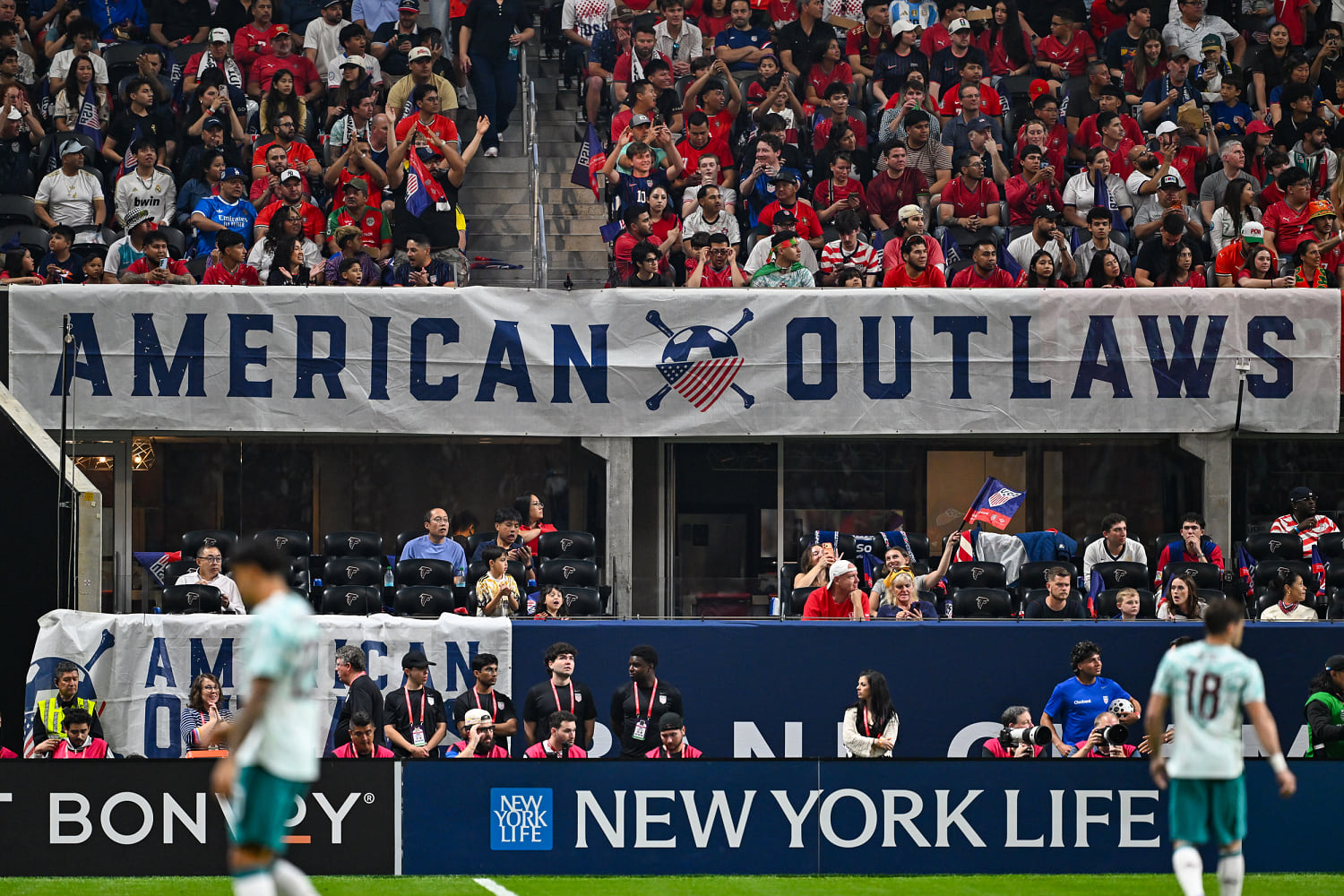
The US national team's most passionate supporter group found themselves exiled. Instead of the traditional, raucous spot in the lower bowl directly behind the net, they got shoved into the upper deck. It changed the entire dynamic of the stadium. It muted the home-field advantage. It left thousands of traveling supporters wondering why soccer's governing body decided to mess with a formula that works everywhere else in the world.
This wasn't an accident. It was a calculated logistical decision by FIFA. And honestly, it highlights a massive disconnect between corporate tournament organizers and actual fan culture. For another perspective on this story, check out the recent update from The Athletic.
The Traditional Supporter Section Disappeared
Go to any major soccer match globally and you see the same setup. The supporters section sits in the lower stands. They bring the drums, the banners, and the non-stop chanting. They drive the energy of the entire building.
For years, the American Outlaws occupied this exact space at US Men's National Team games. It didn't matter if it was a cold qualifier in Ohio or a friendly in Europe. They stood, they cheered, and they gave the team a distinct emotional lift.
When the World Cup kicked off, that setup vanished.
Supporters arrived at the stadium only to realize their designated block was hundreds of feet above the pitch. The drums echoed weirdly against the roof. The chants lost their punch before hitting the grass. From the upper deck, it's incredibly hard to influence the momentum of a match. You're watching the game, not participating in it.
FIFA stripped away the organic hostile environment that makes international soccer special. They turned a roaring wall of sound into distant background noise.
Why Corporate Seating Wins the Lower Bowl
FIFA didn't move the loudest fans because they hate atmosphere. They did it because of money and television optics.
The lower bowl of a World Cup stadium is prime real estate. Broadcast cameras focus heavily on the seats closest to the field. FIFA fills these sections with high-paying corporate sponsors, hospitality package holders, and VIP guests. These aren't the people who scream until they lose their voices. They sit quietly, eat expensive catering, and politely clap when a goal happens.
FIFA prioritizes these quiet, wealthy attendees over the passionate fan base.
Hospitality packages generate massive revenue. A single corporate suite or premium lower-tier seat can pull in thousands of dollars more than a standard supporter ticket. By pushing the American Outlaws upstairs, FIFA freed up premium inventory for big spenders. They traded genuine stadium culture for maximum profit margins.
The governing body also prefers a highly controlled environment. Supporter groups bring unpredictable elements like giant tifos, smoke bombs, and aggressive chanting. Corporate suits are predictable. They don't cause security headaches. They don't block the views of other spectators with massive flags. FIFA chose safety and revenue over noise and passion.
The Impact on the Field
Players notice the difference immediately. Ask anyone who has stepped onto a pitch in a major tournament. The proximity of the crowd matters.
When a supporter section sits right behind the goal, they create a physical presence. They distract opposing goalkeepers during penalty kicks. They give their own defenders a surge of adrenaline when clinging to a one-goal lead late in the match.
Moving the American Outlaws to the upper deck neutralized that completely.
The distance created a literal and figurative barrier. The US players could hear the noise, but they couldn't feel it. It felt like playing a neutral-site game even when the stadium was packed with Americans. The home-field advantage withered away because the loudest voices got trapped in the nosebleeds.
Opposing teams escaped the intense pressure cooker they usually face when playing the US on North American soil. They could operate calmly in their own defensive zone without thousands of fans screaming down their necks from just yards away.
Navigating the New Reality of Major Tournaments
This trend isn't going away. As international soccer tournaments grow larger, corporate interests will continue to squeeze out traditional fan culture. Supporter groups must adapt to these shifting stadium dynamics if they want to keep their impact alive.
If you plan on traveling to major international matches, don't assume your ticket guarantees a traditional supporter experience. Check stadium maps early. Look closely at where official supporter allocations sit before buying through general sales.
Organized fan groups need to rethink their strategies too. If you're stuck in the upper deck, standard chanting methods fail. Sound travels differently up there. Groups need to coordinate with fans scattered across the lower sections to echo chants throughout the entire venue. It takes more coordination, better communication, and a willingness to adapt when the governing bodies change the rules on you.
The days of taking the lower bowl for granted are over. Fans have to fight harder, shout louder, and plan smarter to make sure their presence still hits the pitch.