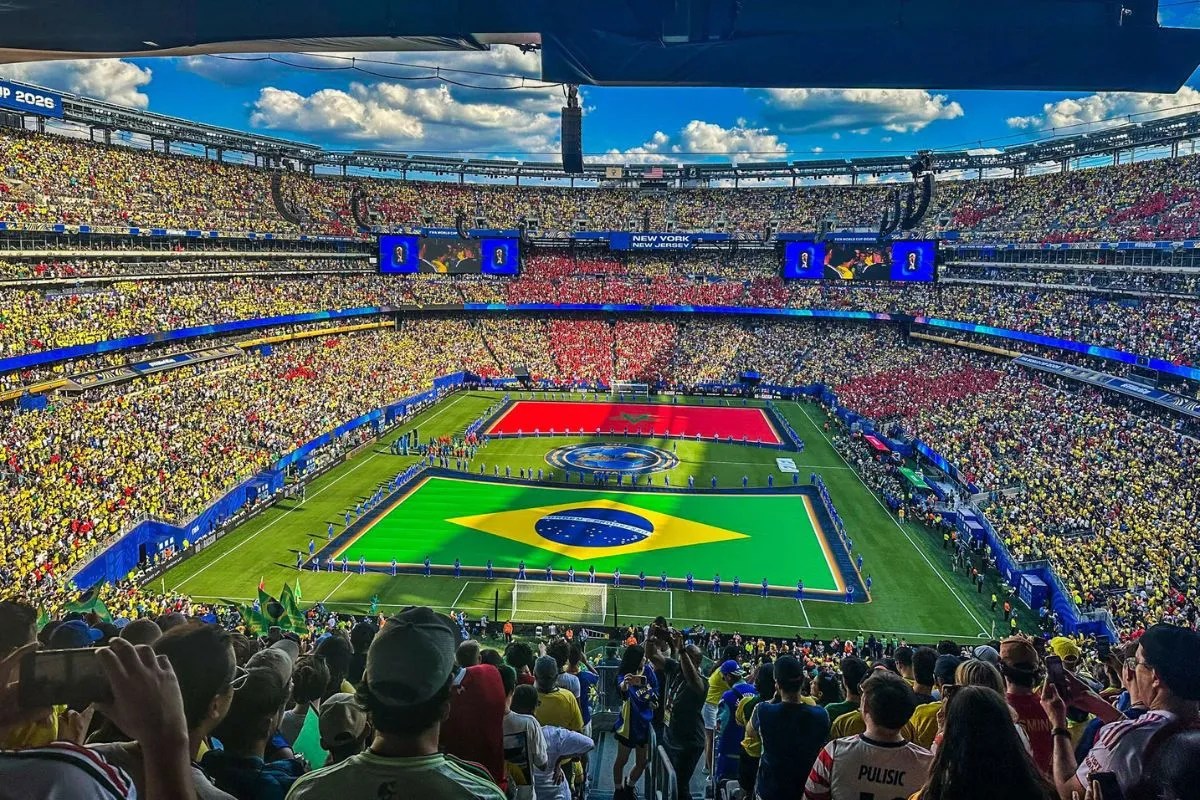
The FIFA World Cup 2026 is massive. It's huge. For the first time, 48 teams will compete. They will play 104 matches across three countries. Canada, Mexico, and the United States are hosting. Fans are excited. But there's a dark side to this football carnival. The environmental cost is staggering. Experts warn it could be the most polluting tournament in sports history.
Many people think mega-sports events are getting greener. They aren't. FIFA claims it's working on sustainability, but the numbers tell a different story. The sheer scale of this tournament makes green targets almost impossible to hit. We need to talk about the massive carbon footprint trailing behind the world's biggest game.
The Reality of Expansion and Travel Emissions
More teams means more matches. More matches means more fans traveling across a continent. The 2026 tournament spans sixteen host cities. The distance between Vancouver and Miami is over 5,000 kilometers. Teams and fans won't be taking trains. They'll be flying.
Air travel is the biggest culprit. In past World Cups, like Qatar in 2022, venues were close together. Fans could stay in one hotel and take a subway to different games. That's not happening in 2026. A fan might watch a group stage match in Los Angeles and the next one in New York.
Carbon emissions will skyrocket because of this geographic spread. The carbon footprint of thousands of flights crisscrossing North America is immense. FIFA's previous environmental reports often underestimate fan travel. They count the flights into the country but ignore the constant internal hopping. It's a massive blind spot.
Greenhouse Gas Underestimation and Eco-White-washing
FIFA loves to talk about carbon neutrality. They pledge to offset emissions by planting trees or investing in renewable energy. But carbon offsetting is deeply flawed. Many climate scientists call it a shell game. You can't just emit millions of tons of greenhouse gases and expect a young forest to absorb it instantly. Trees take decades to grow. The damage to our atmosphere happens immediately.
Independent researchers have analyzed past FIFA sustainability reports. Carbon Market Watch scrutinized the 2022 Qatar World Cup claims. They found the tournament's actual footprint was likely much higher than official estimates. The organizers didn't properly account for the long-term impact of building new stadiums. For 2026, while most stadiums already exist, the sheer volume of operational energy needed for sixteen massive arenas is terrifying. Think about giant air conditioning systems, stadium lighting, and powering massive media hubs for weeks on end.
Waste Management and Stadium Consumption Echoes
Football matches generate mountains of trash. Scale that up to 104 matches. We are talking about millions of plastic cups, food wrappers, and discarded merchandise. Even if stadiums have recycling bins, real-world sorting is notoriously poor. Most stadium waste ends up in landfills.
Water consumption is another hidden crisis. Maintaining pristine turf pitches in different climates requires millions of gallons of water daily. In cities facing drought conditions, soaking a stadium lawn just for a ninety-minute game looks incredibly irresponsible.
What Needs to Change Right Now
We can't keep pretending these tournaments are sustainable. They aren't. If you're a fan planning to attend, you hold some power. Stop relying on organizational promises and take action.
First, minimize your internal travel. Pick one region or city hub and stick to it. Watch other games at local fan zones instead of flying to every single match your team plays. Second, use public transit within host cities. Cities like New York, Seattle, and Mexico City have established transit systems. Use them. Avoid renting cars or using ride-share apps for every journey. Finally, hold sponsors accountable. Support the brands that actively push for strict environmental standards rather than those just slapping a green leaf on their marketing banners. Demand transparency from FIFA. The future of the planet is far more important than a trophy.