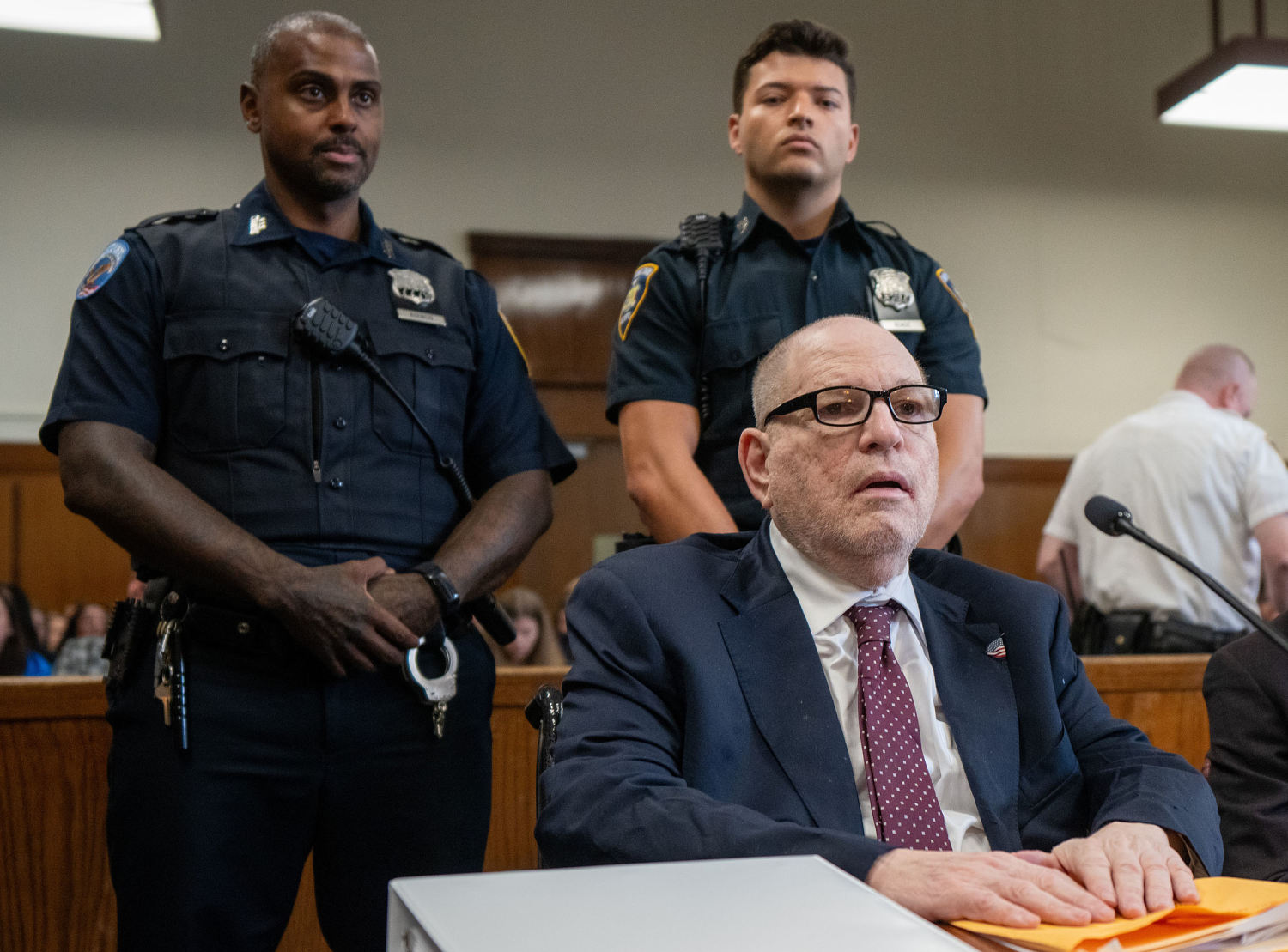
Harvey Weinstein's sentence of 15 years in prison delivered by a New York court marks another chapter in a legal saga that has stretched across nearly a decade. The numbers tell one story: a once-untouchable studio mogul facing a prison term that guarantees he will remain behind bars past his mid-eighties. Yet the procedural path to this courtroom moment exposes deep fractures in how high-profile criminal trials handle systemic abuse, evidence rules, and appellate scrutiny.
When the New York Court of Appeals overturned Weinstein's original 2020 conviction citing procedural errors regarding uncharged testimony, legal analysts recognized an institutional pivot. The reversal was not an absolute exoneration of the former producer, but rather a sharp rebuke of trial management. It forced prosecutors to rebuild their case from the foundation, navigating deadlocked juries, shifting witness availability, and the heavy burden of retrospective testimony. Recently making waves lately: The Fragile Peace That Lives on Borrowed Time.
The retrial and subsequent sentencing tested the limits of institutional memory. Trials dependent on events dating back decades inherently struggle against fading recollections, shifting social standards, and aggressive defense strategies designed to dissect every inconsistency in a survivor's testimony. Judge Curtis Farber's remarks during the sentencing highlighted the stark contrast between Weinstein's former industry supremacy and his current status, but the protracted litigation also underscored a systemic reality. The wheels of justice do not merely grind slowly; they frequently stall under the weight of legal technicalities that favor institutional defendants with vast financial resources.
Beyond the courtroom acoustics, the broader cultural reckoning often dubbed the Weinstein effect faces its own endurance test. High-profile verdicts provide tangible markers of accountability, yet they risk obscuring the routine, everyday hurdles survivors encounter when reporting misconduct outside the spotlight. Civil litigation and corporate settlements have often moved faster than criminal courts, pointing to an alternate track for justice that bypasses the strict evidentiary thresholds required to secure a prison sentence. Further information regarding the matter are covered by TIME.
As legal teams anticipate further appeals and potential proceedings in other jurisdictions, the finality promised by a 15-year term remains provisional. The system has demonstrated its capacity to punish, but the journey to this outcome reveals an apparatus ill-equipped to handle systemic, decades-long patterns of abuse without exhaustive procedural friction.
Harvey Weinstein sentenced to 15 years in prison
This video report from CBS New York covers the details of Harvey Weinstein's 15-year prison sentence delivered in New York.


