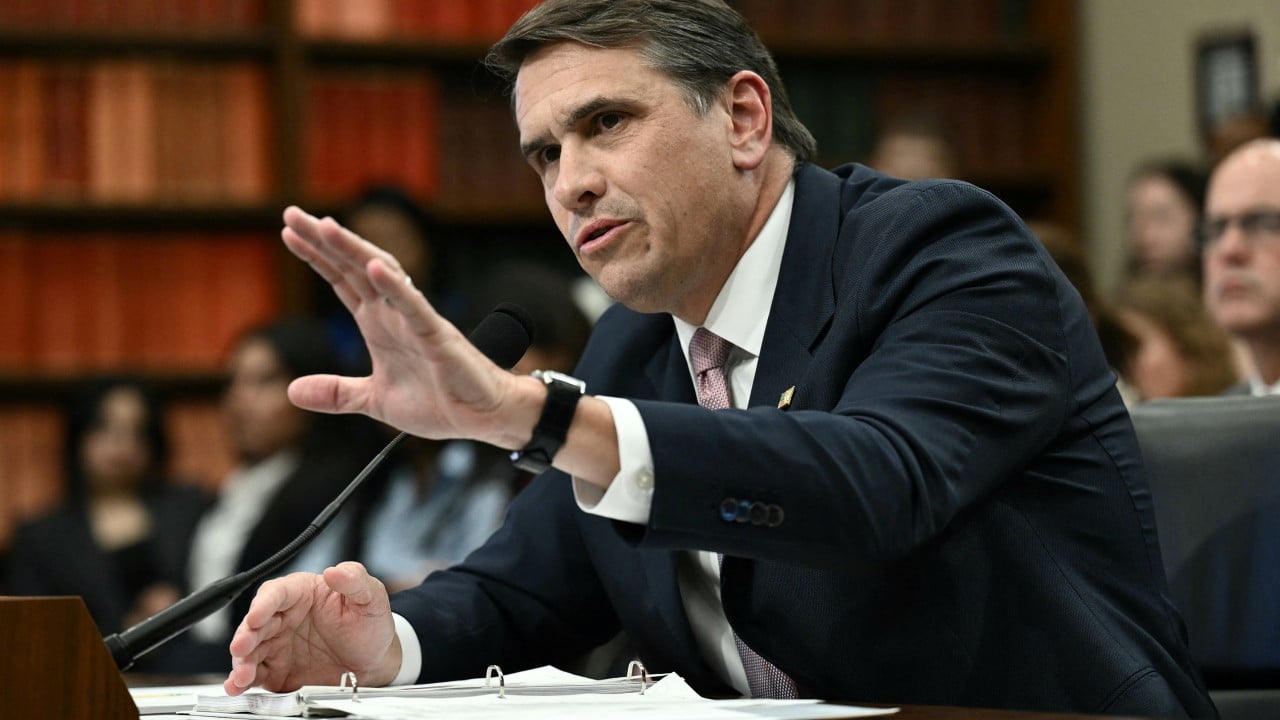
The Senate Judiciary Committee just pushed Todd Blanche one step closer to leading the Justice Department. It didn't happen easily. A 12-10 party-line vote cleared the nomination, but the real story sits in the frantic weekend negotiations that nearly torpedoed the entire plan.
If you've been following Washington politics, you know Donald Trump's picks rarely coast through confirmation. Blanche, who previously served as Trump's criminal defense lawyer, faced heavy friction from unexpected corners. Two Republican senators nearly blocked him before he even reached the full Senate floor.
The Standoff Over the Controversial Settlement
The core obstacle wasn't just partisan bickering. It boiled down to a massive $1.8 billion fund.
Back in the spring, the Justice Department brokered a deal to resolve Trump's legal claims regarding leaked IRS tax returns. Part of that settlement included a massive pool of money designed to compensate people claiming government weaponization. Republican Sens. John Cornyn of Texas and Thom Tillis of North Carolina drew a hard line in the sand. They threatened to sink Blanche's nomination unless he put down writing that the fund was dead.
Blanche resisted initially. Then reality set in.
Late Sunday, Blanche issued a formal order rescinding the anti-weaponization fund. He also clarified the scope of tax audit immunity, limiting it strictly to past years' returns for Trump, his two oldest sons, and the Trump Organization. That written concession gave Cornyn and Tillis the political cover they needed to vote yes.
Why Republicans Stood Divided
Republicans might have presented a united front on the final committee tally, but the hearings exposed deep underlying tensions.
Committee Chairman Chuck Grassley called it a crime that the White House took so long to address the concerns raised by Cornyn and Tillis. Meanwhile, Democrats seized on the chaos. They argued that any written promise from Blanche could easily be undone later by executive action or future legal maneuvering.
Senators like Sheldon Whitehouse and Cory Booker didn't hold back. They pointed to Blanche's history as Trump's personal lawyer and argued that the Department of Justice requires structural independence—something they claim is impossible under this administration. Democrats also hammered Blanche over the mishandling of federal files related to Jeffrey Epstein, bringing survivor advocacy groups directly into the confirmation fight.
Despite those objections, Cornyn argued that the Department of Justice desperately needs stability. The agency has operated without a permanent leader since Trump fired former Attorney General Pam Bondi four months ago.
What Happens Next on the Senate Floor
The nomination now moves to the full Senate. The margins are razor-thin.
Republicans hold a narrow majority, but they can barely afford a single defection. With Sen. Mitch McConnell recovering from an illness and solid Democratic opposition locked in, Blanche needs nearly every GOP vote to secure confirmation.
Trump has already expressed lingering support for the underlying concept of the compensation fund, leaving a cloud of uncertainty over whether the issue is truly dead or just dormant. If the Senate vote stalls, the administration faces a choice: keep Blanche running the agency in an acting capacity or push for legislative fixes. Watch the floor votes closely this week because the outcome will dictate how the Justice Department operates for the remainder of the term.