The air in Tehran smells of old dust and incoming rain, a heavy, metallic weight that settles on the back of the tongue before the thunder ever hits. Down on Vali-e-Asr Street, beneath the vast, cooling canopy of the old sycamore trees, the foot traffic moves with a familiar, practiced exhaustion. Merchants slide their iron shutters down a notch early. Drivers lean on their horns with a flat, rhythmic boredom born of decades spent waiting for the other shoe to drop.
They are waiting again.
Thousands of miles away, inside the sterile, fluorescent-lit corridors of decision-making power, a clock is ticking down its final digits. The message delivered across the diplomatic wire is stark, stripped of diplomatic velvet. It is framed as a boundary marker. New talks, the warning goes, represent the final chance to forge a deal and pull back from a wider crater of escalation.
Listen closely. You can hear the silence between the words.
I remember standing on a rooftop in a city bracing for impact years ago, watching the sun dip below a skyline that felt entirely too fragile for the century it occupied. When leaders speak of strikes and ultimatums from podiums adorned with polished mahogany and arrayed microphones, the distance between their voices and the pavement is measured in blood and shattered glass. The politicians talk of leverage. The mothers on the corner talk of bread prices.
This is the geometry of crisis. Two sides locked in a high-stakes stare, convinced that blinking is a form of suicide, yet equally terrified that standing firm leads directly off the cliff.
To understand what is happening right now, you have to look past the official press releases and strip the situation down to its mechanical core. Imagine two climbers dangling from the same fraying rope on a vertical granite face. Every jerk, every sudden shout, every demand for compliance strains the individual fibers a little further. Neither climber wants to fall. Both are convinced the other is holding the knife.
The latest diplomatic push is not a peaceful awakening. It is a desperate bid to find a handhold before the friction gives out entirely.
When the administration in Washington issues an ultimatum labeling these negotiations as the ultimate threshold, the subtext is heavy. It means the margin for error has shrunk to zero. There is no middle ground left to invent. The architecture of the 2015 nuclear agreement, once celebrated as a historic diplomatic triumph, has long since turned to dust, picked apart by political shifts, broken promises, and midnight sabotage. What remains is a vacuum. And vacuums in West Asia never stay empty for long.
Consider what happens next if the doors close without an agreement.
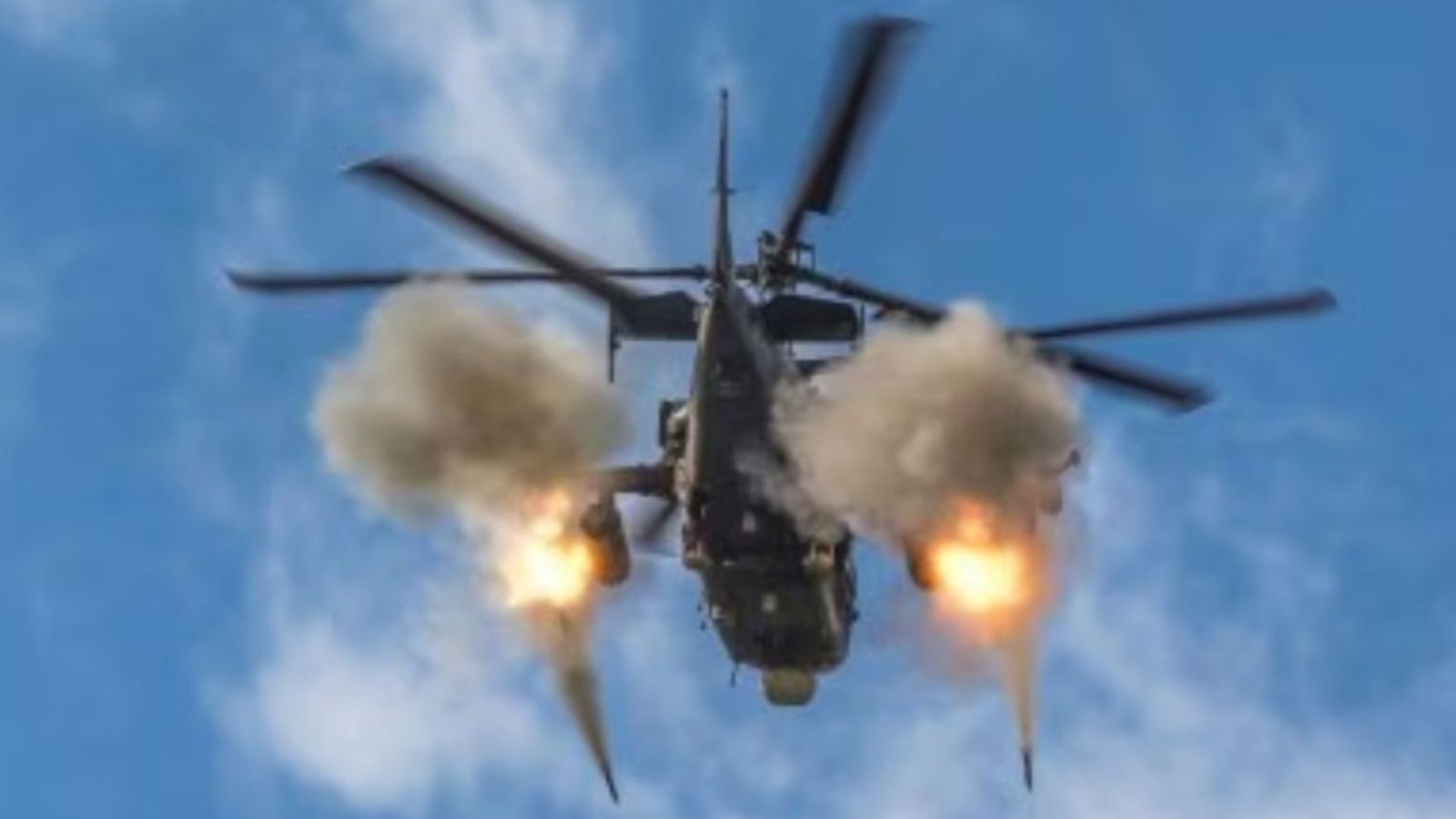
Military planners do not sleep well during weeks like this. In command centers scattered across the region, screens flicker with telemetry data, flight paths, and target coordinates. The hardware is ready. The B-52s stationed in distant atolls can stretch their wings across oceans in hours. Naval strike groups sit just over the horizon, their radar eyes sweeping the dark waters of the Gulf, watching every tanker and fishing boat like hawks.
Yet, war is rarely just an execution of cold logistics. It is an accumulation of human errors. A misread radar blip at three in the morning. A pilot who misjudges a boundary. A commander on the ground who decides not to wait for clearance because fear is a faster motivator than chain of command.
This is why the word ultimatum carries such a terrifying resonance. It creates an artificial ceiling on patience. It tells both populations that time is no longer a neutral medium, but an enemy actively working against them.
Inside Iran, the economic pressure has already written itself onto the faces of the young and the old alike. Inflation bites hard at the edges of daily life. The currency drops in value like a stone thrown down a dry well. People are tired. They are tired of the sanctions, tired of the defiant murals painted on concrete blast walls, and tired of being the permanent chess pieces in a global match they never asked to join.
When you back a nation into a corner for decades, something strange happens to its collective psychology. The initial panic hardens into a stubborn, defiant fatalism. People stop asking for prosperity and start asking for survival. They plant gardens in small balconies. They hoard staples. They learn to read the evening news the way sailors read the sky for squalls.
And yet, hope is a stubborn parasite. Even now, back-channel messages move through Swiss intermediaries and Gulf capitals. Oman and Qatar are working the phones, whispering translations between capitals that refuse to speak directly to one another. They are hunting for that one clever phrasing, that single concession that allows both sides to walk away claiming victory while actually backing down.
Can they find it?
The odds are long. Mutual distrust acts like rust on the gears of diplomacy. Every time a tentative agreement is drafted, hardliners on both sides rise from the woodwork to tear it apart. In Washington, critics denounce any engagement as appeasement, arguing that talking to Tehran is a sign of weakness. In Tehran, hardline factions view compromise as an invitation to foreign subversion, insisting that sovereignty can only be guarded with a heavy hand and a growing stockpile of enriched material.
The irony is thick enough to cut with a knife. Both establishments are trapped by their own past rhetoric. They have told their people for so long that the other side is pure evil that any gesture of reconciliation feels like an act of betrayal.
So the clock runs down.
The danger is not just that the talks will fail. The danger is what comes immediately after the failure is announced. Markets will react instantly. Oil prices will spike, sending shockwaves through every gas pump and grocery store from Tokyo to Toronto. Defense stocks will surge. And in the dark corridors of command, the envelope containing the operational orders will slide an inch closer to the edge of the desk.
We have been here before, of course. History is full of near-misses, moments where the world held its collective breath, stared into the abyss, and then somehow stepped back at the very last second. The Cuban missile crisis. The Berlin standoffs. The tense hours of previous regional escalations.
Humanity has a strange knack for pulling back from the edge just as our toes begin to slip over the gravel. But relying on last-minute miracles is a terrible strategy for running a planet. Eventually, luck runs out. The math catches up with the gamblers.
If this really is the final chance, as the warnings suggest, then the diplomats sitting across the table carry an unbearable weight. They are not just negotiating treaty text or metric tons of centrifuge output. They are negotiating the quiet of tomorrow morning. They are deciding whether children on Vali-e-Asr Street will wake up to the sound of birds in the sycamore trees, or something far worse falling from the sky.
The tea in the small glass on the corner table grows cold. The waiter wipes the counter with a stained rag, his eyes flicking up toward the television mounted in the corner, where the breaking news banner rolls silently by, spelling out the terms of a world holding its breath.