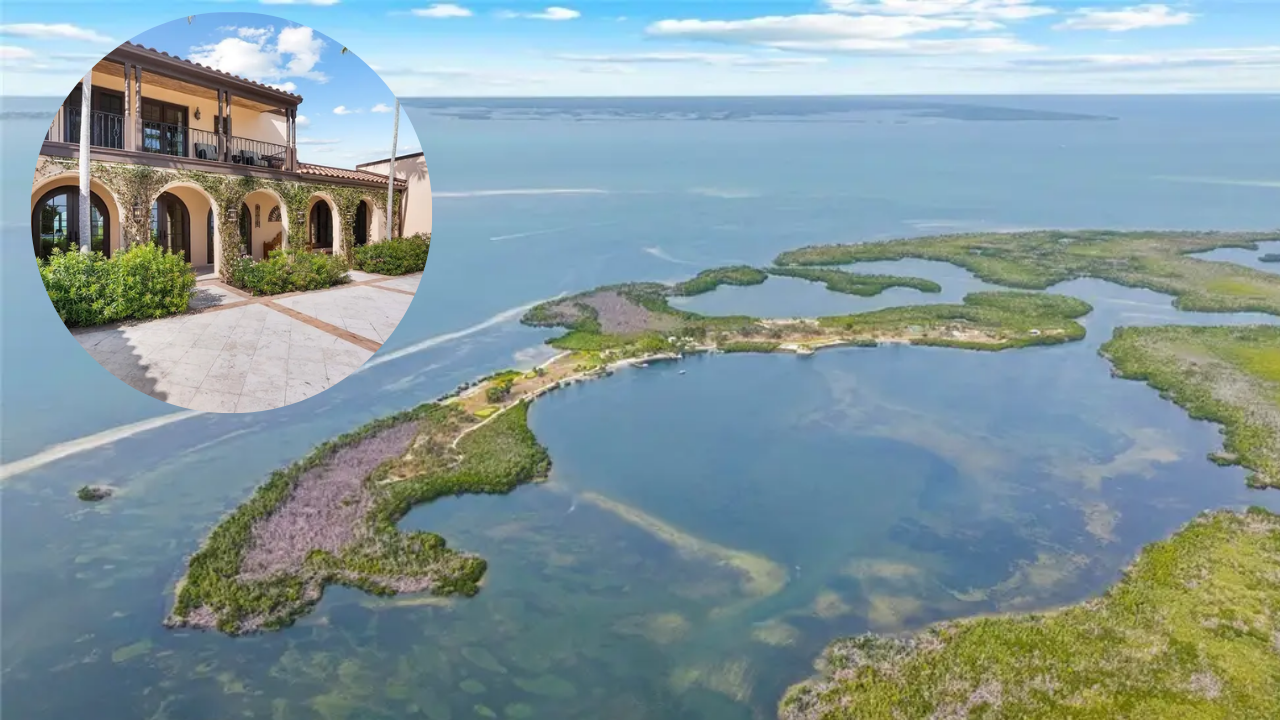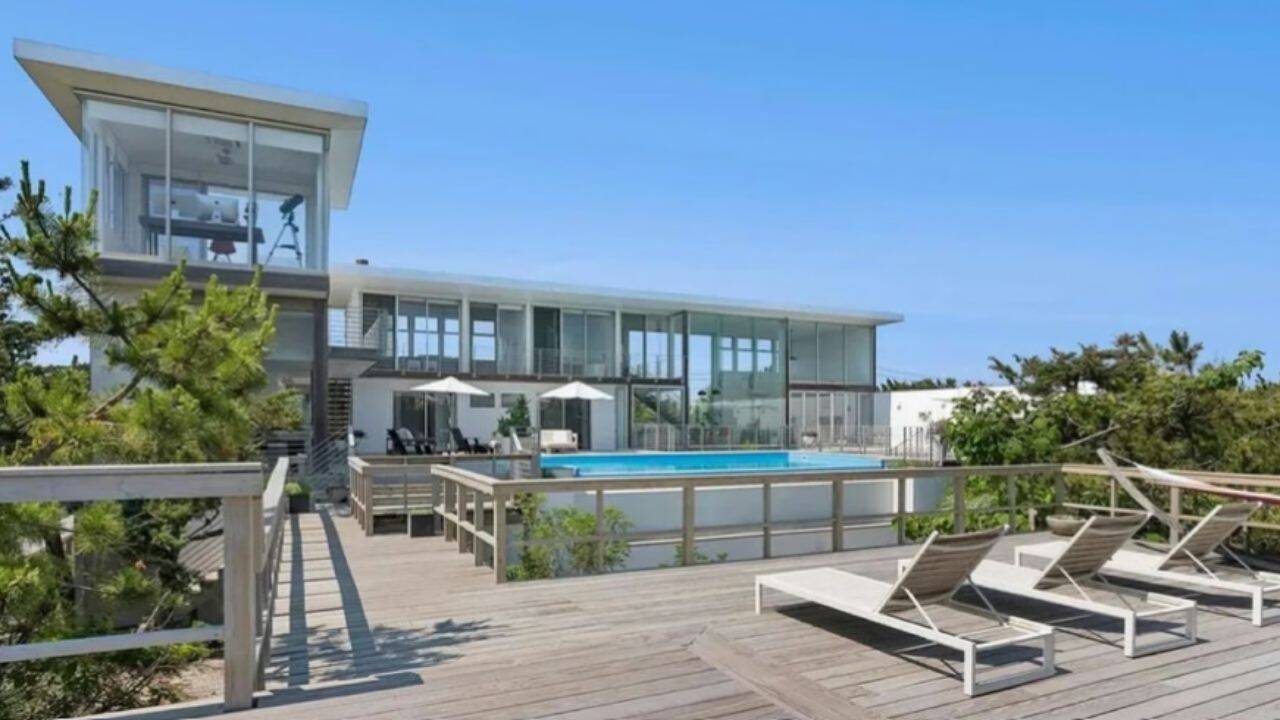
The media is framing the Fire Island glass house price drop as a classic cautionary tale of overreach. A cool three-point-nine million dollars down from five-point-three million, still hovering a million and change above the local Cherry Grove ceiling, and everyone from real estate bloggers to casual observers is shaking their heads at the hubris. The narrative writes itself: greedy seller shoots for the moon, reality bites, and the market corrects the sinner.
It is a lazy story for lazy thinkers.
The $3.995M price tag on that architectural marvel is not a sign that the market rejected the house. It is proof that the market has no idea how to price rare assets in a localized enclave where standard appraisal metrics do not apply. I have watched developers try to apply suburban comps to barrier islands for two decades, and every single time, they bleed cash because they do not understand how scarcity actually functions when you cannot build another square foot of land.
Let us dismantle the prevailing wisdom right now.
The Myth of the Comparable Sale
Every time a unique property drops its price, the commentariat screams about market corrections. They point to neighboring transactions—a three-bedroom weather-beaten beach shack that sold for two million last autumn—and argue that the glass house is wildly overpriced.
This logic is fundamentally flawed. It treats real estate like a commodity traded on an exchange.
A house in Cherry Grove or the Pines is not a share of Apple stock. It is a finite, idiosyncratic piece of art with severe logistical constraints. You cannot barge heavy machinery onto a boardwalk-only island without incurring astronomical logistics costs. You cannot ignore saltwater corrosion, shifting dunes, or the brutal nor'easters that test every pane of floor-to-ceiling glass.
When a seller asks for a record-breaking number, they are not pricing the drywall and the plumbing. They are pricing the impossibility of replication.
If you want to build a modern architectural masterpiece on Fire Island today, you are facing a nightmare of municipal restrictions, union logistics across the Great South Bay, and a contractor pool smaller than a high school debate team. The price is not high because the seller is delusional. The price is high because recreating that asset from scratch would cost nearly as much in time, friction, and capital.
The mistake isn't the asking price. The mistake is playing the wrong game entirely.
The Liquidity Illusion in Barrier Island Paradigms
Imagine a scenario where a billionaire walks into Cherry Grove with cash burning a hole in their pocket. They want uninterrupted ocean views, uncompromising design, and zero DIY projects. Do they care if the house is priced one million above the previous town record?
Of course not. Billionaires do not shop with spreadsheets; they shop with ego and timeline constraints.
The reason high-end coastal properties sit isn't because the price is too high for the universe of buyers. It is because the intersection of people who appreciate modernist architecture, possess liquid millions, and actually want to spend their summers navigating footpaths instead of driveways is microscopic.
Lowering the price from five-point-three million to three-point-nine million does not magically expand that buyer pool. It simply signals desperation to the three people in the world who might actually buy the thing. Real estate marketing in these micro-markets operates on reverse psychology. When you slash a price aggressively, you do not attract pragmatists; you attract bargain hunters who will lowball you further because they smell blood in the water.
The seller panicked. They traded authority for action, and the market punished them for it.
What Luxury Sellers Get Wrong About Modernism
Architectural glass houses on barrier islands are ideological statements wrapped in tempered panes. They demand a specific type of occupant—someone who values aesthetics over privacy and light over insulation.
Most agents try to market these homes to traditional luxury buyers. They talk about square footage, bedroom counts, and kitchen islands. This is a catastrophic failure of translation.
Nobody buys a glass house on the Atlantic coast because they need a walk-in pantry. They buy it because they want to sit in a living room during a September thunderstorm and watch the ocean hurl itself against the beach while they stay clinically dry behind structural glass. They buy it for the theatre of the environment.
When you price-drop a property like this, you reduce its perceived exclusivity. You turn a temple of design into a clearance item.
The Unspoken Cost of Architectural Hubris
Let us be completely honest about the downsides of owning a modernist glass box on a barrier island. Salt air eats aluminum framing for breakfast. Solar heat gain turns the interior into a greenhouse by noon in July if the HVAC engineering isn't elite. Privacy is non-existent unless you live on a massive, heavily vegetated double lot.
These are the truths that glossy brochures hide. I have seen owners walk away from million-dollar renovations because the maintenance budget alone rivaled a small private school tuition.
The previous asking price of five-point-three million wasn't just accounting for the build cost; it was a risk premium for the sheer headache of maintaining a glass pavilion in a maritime environment. By dropping below four million, the seller has essentially subsidized the future maintenance headaches for a buyer who probably doesn't deserve the keys anyway.
How to Actually Value the Irreplicable
If you are looking at ultra-prime real estate in seasonal enclaves, throw out the comps. They are useless anchors designed to keep you poor and unimaginative.
Instead, use this framework:
- Replacement Friction: Calculate what it would cost today—not ten years ago—to buy the land, get permits through local zoning boards that despise modern architecture, ship materials via ferry or barge, and retain elite builders who will actually show up to an island.
- Scarcity Multiplier: How many other properties matching this exact architectural pedigree exist within a five-mile radius? If the answer is zero, standard pricing rules evaporate.
- The Ego Premium: Ultra-luxury is driven by status and speed. If a property takes three years to sell, the carrying cost often outweighs the price reduction. The winning move isn't slashing the sticker price; it is bundling the asset with lifestyle perks—private boat charters, fully customized furnishings, or turnkey management contracts—to preserve the psychological anchor of value.
The Fire Island glass house didn't fail because the market spoke. It failed because the people holding the deed lost their nerve before the right buyer even realized the property was on the board.
Stop treating unique architecture like tract housing. Some things cost what they cost because nobody else is crazy enough to build them.