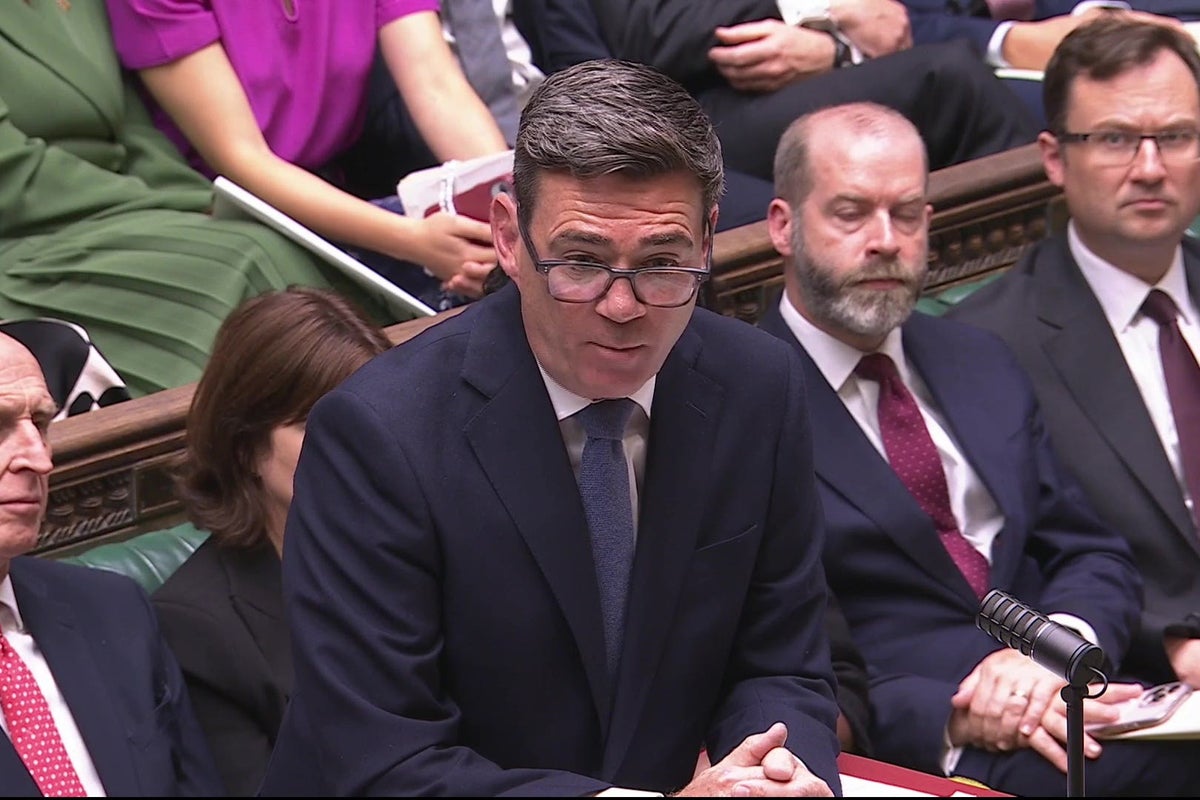
National security architecture breaks down the moment political rhetoric diverges from treasury execution. Recent parliamentary clashes highlight a stark reality for Prime Minister Andy Burnham: verbal commitments to collective security and Ukrainian defense are structurally inert without matching capital expenditure. As Russian hybrid aggression scales across European infrastructure, the debate over defense financing moves from theoretical fiscal policy to an urgent operational requirement.
The security deficit facing the United Kingdom stems from a structural misalignment between stated foreign policy objectives and actual procurement budgets. When leadership promises unyielding support against state-level adversaries, adversaries calculate state capacity based on balance sheets, not speeches. Maintaining deterrence against a modernized adversary requires analyzing the actual costs of military readiness, gray-zone defense, and industrial scale-up.
The Three Pillars of Modern Deterrence Deficits
- Procurement Lag: The time delta between budgetary authorization and frontline hardware delivery remains dangerously wide. Advanced missile defense systems and counter-drone architectures cannot be improvised during a crisis; they require multi-year capital commitments that legacy budgeting fails to supply.
- Industrial Base Constraints: Domestic manufacturing capacities for munitions and specialized technology are operating below the thresholds required for prolonged state-on-state friction. Without guaranteed long-term procurement contracts, private defense contractors underinvest in production lines.
- Gray-Zone Vulnerability: Adversaries increasingly operate below the Article 5 threshold, utilizing cyberattacks, sabotage, and infrastructural interference. Traditional military budgets misallocate funds toward conventional heavy armor while underfunding domestic cyber-resilience and supply chain security.
Financing a credible defense posture requires confronting hard trade-offs within national budgets. Calls to elevate defense spending targets to three percent of gross domestic product are frequently met with fiscal resistance, forcing leaders into zero-sum choices between social welfare programs, tax adjustments, and national security investments. Deferring these financial decisions shifts the cost from immediate capital outlay to catastrophic downstream vulnerability.
The mechanism of deterrence relies entirely on the adversary's perception of cost versus reward. If Moscow calculates that Western resolve is financially constrained or politically fragile, the incentive to test NATO borders through hybrid operations increases. Rhetorical solidarity, diplomatic posturing, and public empathy do not intercept ballistic threats or secure critical supply nodes.
Closing the gap between political intent and military capability demands immediate structural adjustments. Downing Street must abandon incrementalist fiscal planning and establish a binding statutory path toward higher baseline defense expenditure. The strategic imperative moving forward is straightforward: lock in multi-year capital allocations for domestic defense manufacturing and technological integration before external shocks force a reactive, high-cost mobilization.
Putin Tests Burnham Over British Drone Support For Deep Strikes On Russia
This video provides context on the UK's evolving military support for Ukraine and the resulting security escalations.