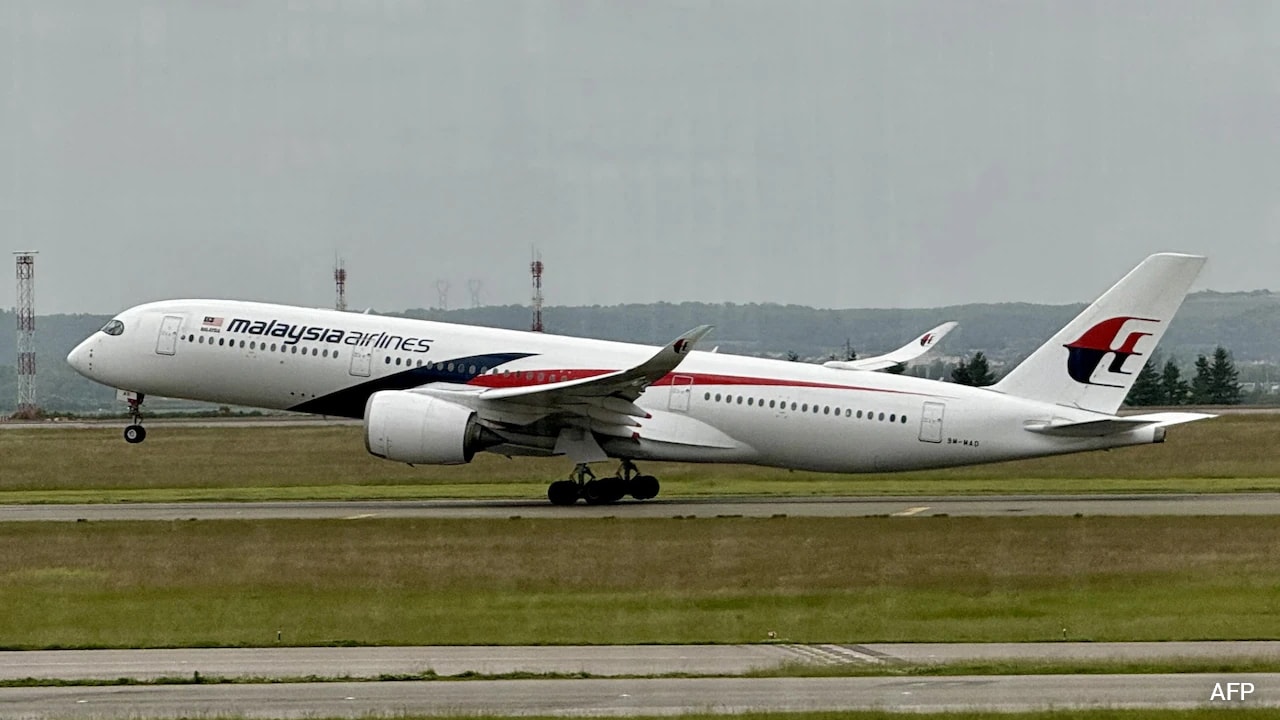
Commercial aviation operates under the assumption of a controlled, benign atmospheric envelope. When an acute medical crisis occurs at 35,000 feet, that assumption collapses. The recent incident aboard a Malaysia Airlines flight en route to Sydney, resulting in the death of a passenger reportedly experiencing an asthma attack, exposes the fault lines where operational protocol, physiological constraints, and emergency response mechanics intersect. To understand why commercial flights remain vulnerable to catastrophic medical outcomes, we must deconstruct the event not as a singular tragedy, but as a systems failure governed by predictable variables: environmental hypoxia, delayed diagnostic triage, structural limitations of aviation medical kits, and the friction of diversion logistics.
The Physiology of Cabin Altitude and Acute Respiratory Failure
Commercial aircraft cabins are not pressurized to sea level. Federal and international standards mandate that cabin altitude must be maintained at a pressure equivalent to no higher than 8,000 feet. For a healthy individual, this altitude induces mild arterial hypoxemia, offset by physiological compensatory mechanisms such as an increased respiratory rate and cardiac output. For an individual with an underlying reactive airway disease like asthma, this altered gas density changes the calculus entirely. Also making news in this space: The Brutal Truth About Los Angeles and the Shade Balls That Saved a Reservoir.
At an 8,000-foot cabin equivalent:
- Barometric Pressure Drop: Ambient barometric pressure drops to approximately 565 mmHg, reducing the partial pressure of oxygen ($P_O_2$) in the alveoli.
- Gas Expansion: Trapped gases within the body expand by roughly 30 percent compared to sea-level conditions, which can exacerbate obstructive pulmonary conditions if air becomes trapped behind mucosal edema or bronchospasm.
- Oxygen Saturation Baseline: The oxyhemoglobin dissociation curve shifts. A mild drop in ambient oxygen availability translates to a steeper decline in arterial oxygen saturation ($SaO_2$), narrowing the physiological margin of safety for a compromised pulmonary system.
When an asthma exacerbation triggers acute bronchoconstriction, airway resistance spikes exponentially, following Poiseuille’s law where resistance is inversely proportional to the fourth power of the radius. Under these conditions, the lower oxygen partial pressure in the cabin accelerates the onset of systemic hypoxia. Without immediate, high-flow bronchodilator therapy and supplemental oxygen, the patient transitions rapidly from respiratory distress to respiratory failure, hypercapnia, and ultimately, hypoxic cardiac arrest. Additional insights regarding the matter are covered by NBC News.
Operational Constraints and the Limits of Cabin Triage
Flight crews undergo rigorous training in emergency procedures, including cardiopulmonary resuscitation, automated external defibrillator (AED) operation, and basic first aid. However, cabin crew are safety professionals, not clinical practitioners. Their diagnostic capabilities are bounded by the absence of diagnostic instrumentation, imaging, or real-time vital sign monitoring.
When a passenger experiences severe dyspnea, the operational triage sequence faces distinct bottlenecks:
- Symptom Differentiation: Distinguishing between an acute asthma attack, panic-induced hyperventilation, cardiac ischemia, or a pulmonary embolism requires clinical diagnostic tools that do not exist in standard aircraft cabins. Misattribution of symptoms delays targeted therapeutic intervention.
- Resource Allocation: Standard emergency medical kits (EMKs) mandated by aviation authorities contain basic supplies—such as stethoscopes, sphygmomanometers, oral airways, and standard medications. While they typically include metered-dose inhalers or epinephrine, utilizing them effectively on an unresponsive or severely distressed passenger requires clinical expertise that may or may not be present among the traveling public.
- The Volunteer Paradox: Announcements asking for medical professionals onboard often yield physicians, nurses, or paramedics. Yet these practitioners are constrained by unfamiliar environments, high ambient cabin noise, poor lighting, cramped seating configurations, and an inadequate formulary. A physician accustomed to an emergency department or intensive care unit finds themselves stripped of telemetry, laboratory diagnostics, and rapid pharmaceutical access.
The Cost Function of Diverting a Commercial Airliner
When a medical emergency escalates beyond the scope of cabin interventions, the captain faces a critical decision: continue to the destination or execute an unscheduled diversion. This decision is governed by a strict operational cost function where human life is weighted against aviation safety, fuel burn, landing weight restrictions, and geopolitical access.
Diverting a wide-body or narrow-body aircraft is a high-friction operational event:
- Fuel Weight Margins: Commercial aircraft often take off with optimized fuel loads calculated for the specific flight plan. Diverting mid-route may require dumping fuel to meet maximum landing weight limits, introducing environmental and logistical delays, or forcing an unscheduled refueling stop at an alternate airport with appropriate medical infrastructure.
- Airspace and ATC Coordination: Shifting a flight path requires immediate air traffic control clearance across potentially congested international corridors, priority handling, and coordination with ground-based emergency medical services (EMS) to meet the aircraft upon touchdown.
- Economic Externalities: A diversion incurs severe direct costs for the carrier, including passenger rebooking, crew duty time limitations violations, maintenance checks, and airport fees. While aviation regulations prioritize safety and human life above commercial metrics, the structural friction of these economic realities can subconsciously delay the tipping point at which a captain commits to a diversion.
Systemic Vulnerabilities in In-Flight Health Management
The fatality on the Malaysia Airlines flight highlights persistent vulnerabilities in how the global aviation ecosystem manages acute health crises. Several systemic gaps demand structural redesign:
- Telemetry and Ground-Based Medical Link: Many airlines subscribe to ground-based medical consultation services (such as MedLink), allowing flight crews to relay symptoms via satellite communication. However, the quality of this link depends on voice clarity and the crew's ability to accurately assess and report vitals using rudimentary analog tools. The integration of portable, Bluetooth-enabled diagnostic triage kits—capable of transmitting real-time electrocardiograms, pulse oximetry, and capnography to ground physicians—remains sparse across standard commercial fleets.
- Regulatory Standardization of EMKs: The contents of emergency medical kits vary significantly depending on the jurisdiction of the airline's registry and the aircraft type. Discrepancies in whether advanced airway devices, nebulizers, or specific rescue medications are mandated create an uneven safety net for passengers with chronic vulnerabilities.
- Passenger Risk Profiling: Unlike cargo weight or aircraft structural integrity, passenger physiological risk profiles are entirely opaque to the operating carrier. Airlines possess no mechanism to screen for high-risk travelers with unstable chronic conditions, nor do they enforce mandatory medical clearance certificates for passengers with recent acute exacerbations.
Strategic Forecast for In-Flight Medical Safety
The increasing volume of global air travel, combined with an aging demographic profile, guarantees that in-flight medical emergencies will rise in frequency. Relying on the reactive deployment of basic first-aid kits and ad-hoc assistance from volunteer doctors is an outdated operational model.
Mitigating future fatalities requires moving from a compliance-driven medical kit checklist to an integrated digital health infrastructure. Carriers that invest in standardized telehealth links, enhanced diagnostic hardware within cabin medical kits, and mandatory crew simulation training for high-altitude hypoxia management will systematically reduce adverse outcomes. Until these structural upgrades are universally adopted, the cabin altitude environment will remain a high-stakes variable where medical vulnerabilities can rapidly outpace operational response capabilities.