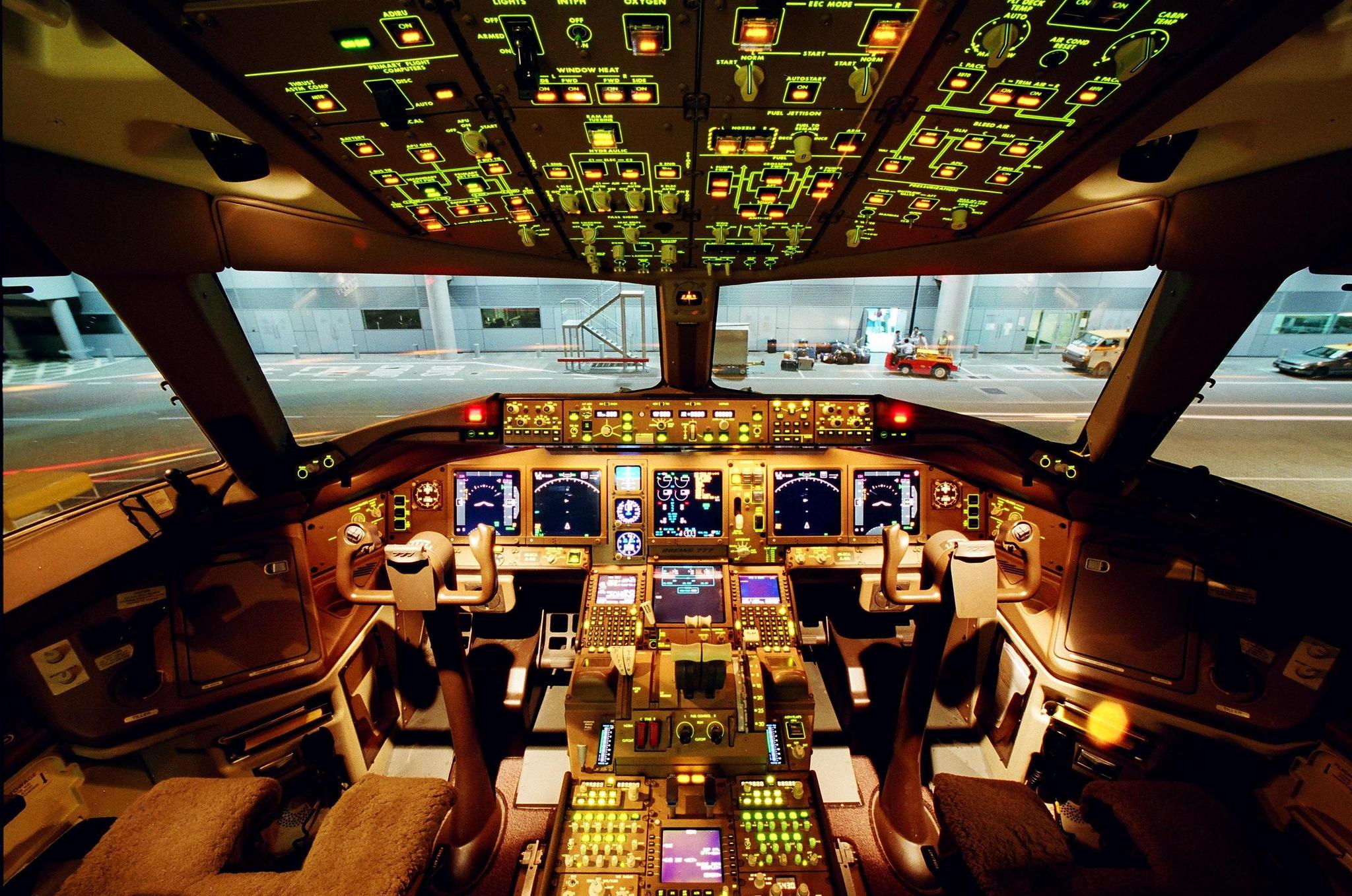
Commercial aviation operates on a simple premise. You strap yourself into a metal tube, trust total strangers with your life, and assume that the two people flying the plane want to land it just as much as you do.
That illusion shattered on September 30, 2026. Meanwhile, you can read similar developments here: Why Russian Air Defenses Keep Shooting Down Their Own Aircraft.
When a flydubai first officer launched a brutal, in-flight axe attack against his own captain on a Boeing 737 MAX flying from Dubai to Tel Aviv, it wasn't just an isolated act of violence. It exposed a gaping blind spot in global aviation security. Airlines spend billions on passenger screening, shoe removals, and liquid restrictions. Yet, they've largely left the cockpit door wide open to internal threats.
If a pilot wants to bring an instrument of destruction onto a flight deck, who is actually stopping them? To see the bigger picture, we recommend the detailed report by Associated Press.
The Vetting Failure That Let a Radicalized Pilot Into the Cockpit
Let's look at what went wrong behind the scenes. Reports revealed that the co-pilot, Hamam al-Hammami, had previously faced scrutiny and was reportedly sidelined or flagged by Oman Air over extremist concerns before flydubai hired him.
Standard airline background checks usually look for criminal convictions, credit histories, or traffic violations. They are built to catch common criminals, not ideologues with clean records. Cross-border information sharing between civil aviation authorities is notoriously weak. If an airline in one country quietly pushes a pilot out due to behavioral red flags or radicalization concerns, that data doesn't always follow them across international borders or to their next employer.
Airlines rely on self-reporting, standard reference checks, and basic psychological evaluations that are easily beaten by someone who knows how to keep their opinions quiet. When aviation recruiters prioritize filling empty seats amid a severe pilot shortage, rigorous background vetting sometimes takes a backseat to getting bodies into uniforms.
The Terrifying Reality of an Insider Threat at Thirty Thousand Feet
Passengers on Flydubai Flight 1073 experienced every flyer's worst nightmare. According to investigators and passenger accounts, the co-pilot attacked Captain Smit Machchhar with a cockpit crash axe, plunging the aircraft into a violent, steep dive toward the Saudi-Jordanian border.
The plane dropped from roughly 34,000 feet down to 17,000 feet in less than a minute.
What saved that flight wasn't a high-tech security protocol or an automated override system. It was raw human intervention. The wounded captain fought back, the cockpit door was breached, and passengers—
Why the Flydubai Cockpit Attack Exposes Blind Spots in Aviation Security
news
ل
Commercial aviation relies on a fragile layer of trust. You step onto an aircraft, slide into your seat, and assume the two people up front are flying the plane without interference. That trust cracked wide open when an in-flight security breach involving a Flydubai pilot forced a harsh reckoning across the industry.
Let's look at what actually happened. A passenger or intruder somehow bypassed multiple layers of airport screening and physical flight deck barriers. The incident wasn't just a isolated operational hiccup. It's a flashing red light for global carriers. When cockpit security fails, everything fails.
Passengers assume commercial flights are fortresses. They aren't. Security protocols built after historical events focus heavily on stopping external hijackers at terminal checkpoints. They miss internal vulnerabilities and physical access control failures once boarding begins.
The Illusion of Cockpit Fortresses
Reinforced cockpit doors became standard industry practice years ago. Airlines installed heavy steel and electronic locking mechanisms designed to keep hostile actors out during flight. Yet, hardware means nothing if human behavior overrides procedure.
Pilots need to eat, use the restroom, and stretch on long-haul routes. Every time that reinforced door opens mid-flight, a window of vulnerability opens with it. Procedures require cabin crew to block the aisle with food carts or security barriers during these transitions. Cabin crews are overworked and under-resourced. They can't always maintain a sterile zone in a crowded, noisy cabin.
An attack from within or an undetected breach proves that static security measures don't match dynamic threats. Ground security checks bags and passengers thoroughly. But airport staff, cleaning crews, caterers, and maintenance personnel often bypass the rigorous screening lanes meant for travelers. Insider threats remain aviation's biggest blind spot.
Regulatory Gaps Across International Carriers
Flydubai operates out of major transit hubs connecting East and West. Regional carriers face unique challenges due to varying local security standards at destination airports.
International aviation bodies like the International Civil Aviation Organization set baseline recommendations. National regulators enforce them. Enforcement quality varies wildly. A security protocol rigorously tested at a major European hub looks very different from procedures at a regional airport with lax oversight.
Airlines hate spending money on extra security. Every minute a plane sits on the tarmac waiting for additional checks costs cash. Carriers balance risk against efficiency. Unfortunately, safety measures often get updated only after a catastrophe occurs rather than before.
Industry executives talk about standardized protocols. In reality, airlines operate in silos. If an airline based in Dubai experiences a major breach, carriers from London to Singapore should immediately overhaul their internal door-access protocols. Instead, management teams wait for official incident reports that take months to materialize.
What Needs to Change Right Now
Fixing modern aviation security requires uncomfortable changes. Airlines must stop treating flight deck security as a box-checking exercise.
Biometric access controls inside aircraft should be standard. Relying on a simple cabin code or a visual peephole is outdated. Implementing dual-authentication systems where ground operations or senior crew members must remotely authorize cockpit entry for non-pilots adds a vital layer of friction.
Airlines need to invest heavily in situational awareness training for flight attendants. Cabin crews aren't just there to serve drinks. They are the final line of defense against onboard threats. Training them to spot behavioral anomalies before an attack happens stops incidents before they reach the cockpit door.
Ground staff vetting needs an immediate tightening. Every person who touches an aircraft, from baggage handlers to fuel technicians, represents a potential vector for security failure. Background checks need to be continuous, not just a one-time clearance when an employee gets hired.
Travellers deserve transparency about these risks. Sweeping security lapses under the rug to protect airline stock prices or brand reputation puts millions of lives at risk every single day.
Next time you board a flight, watch how the crew handles cockpit access during meal services. You'll notice the gaps yourself. Aviation security isn't bulletproof. Until airlines and regulators acknowledge that fact, incidents like the Flydubai pilot attack will happen again.