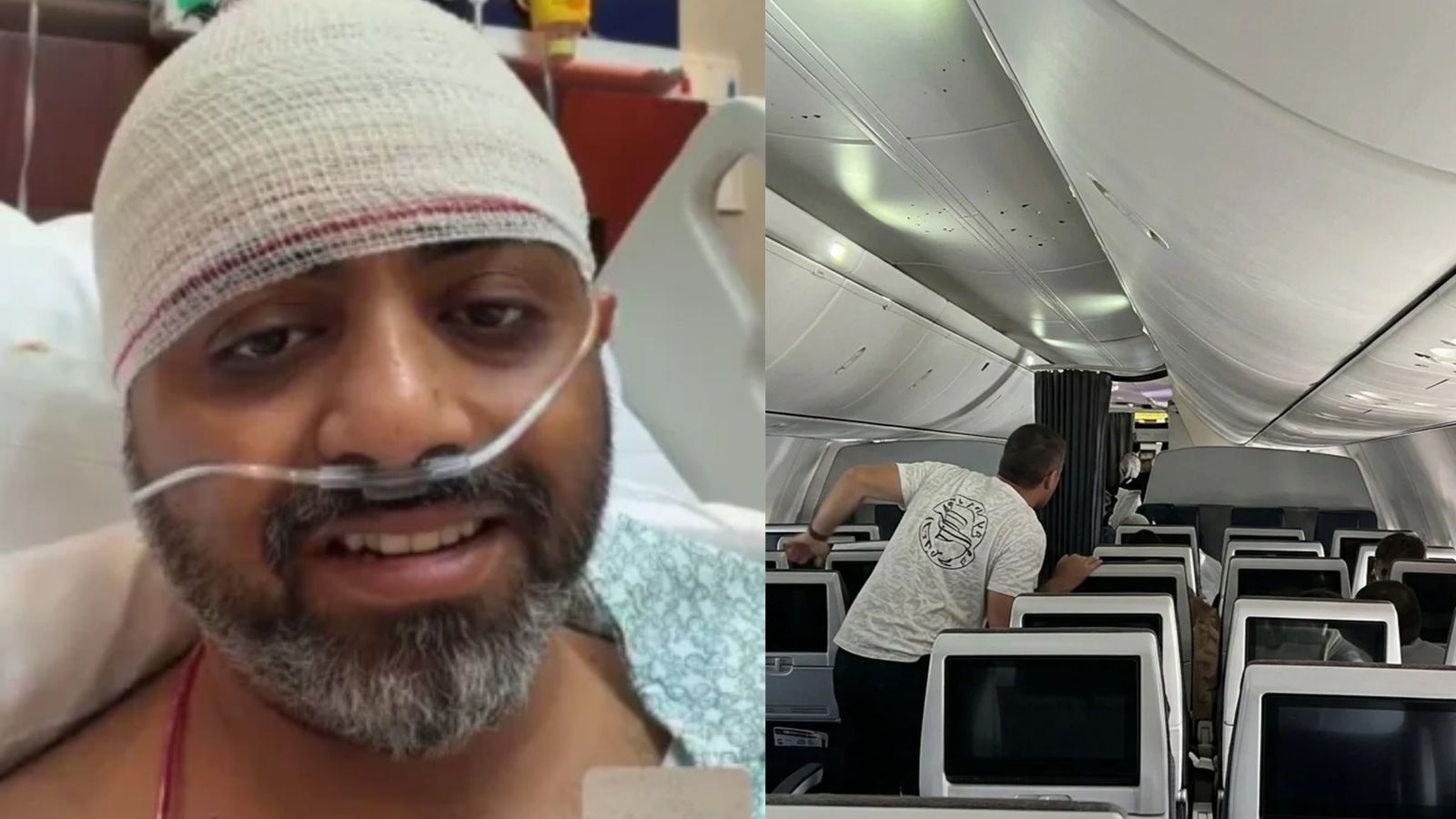
When a routine flight transforms into a desperate struggle for survival at 34,000 feet, the fallout extends far beyond the immediate landing strip. Survivors of Flydubai Flight 1073 aren't just processing a terrifying airborne assault; they're organizing a massive legal response that could permanently alter how international carriers handle cockpit security.
Roughly 100 out of the 174 passengers on board have united to form a steering committee, setting their sights on multi-million-dollar compensation. Legal experts estimate that payouts could scale up to $43.5 million depending on how liability shakes out across the airline and relevant transportation ministries.
The Anatomy of a Mid-Air Crisis
The incident itself shattered baseline assumptions about commercial aviation safety. On September 30, a Flydubai Boeing 737 MAX flying from Dubai to Tel Aviv experienced a catastrophic breach of trust inside the flight deck. The first officer allegedly launched a violent knife attack against Captain Smit Machchhar, sending the aircraft into a terrifying, rapid descent.
Despite sustaining severe injuries, Captain Machchhar managed to unlock the cockpit door, giving passengers and crew a narrow window to overpower the attacker. Deadheading pilots on board ultimately stepped in to stabilize the aircraft and divert it safely to Tabuk, Saudi Arabia. Investigators later indicated that the co-pilot intended to crash the plane into Ben Gurion Airport.
Why Passengers Are Taking Legal Action
Survivors are dealing with acute psychological trauma alongside physical injuries. The newly formed passenger committee, led by capital markets executive Tzvika Manes—who actively helped subdue the attacker—argues that systemic failures allowed this threat to manifest.
The impending class-action framework targets Flydubai alongside government transportation bodies, pressing accountability for screening lapses and security oversights. Under the Montreal Convention, international passengers possess clear avenues to seek damages for injuries sustained during commercial flights. However, coordinating claims across multiple jurisdictions introduces complex legal hurdles.
The International Legal Hurdles Ahead
Suing an international airline and sovereign ministries involves navigating a labyrinth of treaties. The Montreal Convention governs baseline carrier liability for accidents, but applying it to an intentional insider threat requires proving structural negligence or a failure of operational safety controls.
Legal counsel for the passengers are leaning on international frameworks while also examining domestic provisions for victims of hostile actions. Because the flight connected the United Arab Emirates and Israel under the diplomatic umbrella of the Abraham Accords, the political sensitivities surrounding the litigation are immense. Governments involved face intense scrutiny over whether background checks and psychological vetting for flight crews require an immediate, drastic overhaul.
What This Means for Future Air Travel
Airlines pride themselves on hardened cockpit doors designed to keep external threats out. Flight 1073 exposed the terrifying vulnerability of an insider threat where the danger originates behind the locked door.
Carriers globally are now forced to re-evaluate two-person cockpit occupancy rules, crew mental health monitoring, and real-time behavioral tracking. If this lawsuit succeeds, the financial penalty will serve as an expensive wake-up call for the aviation industry. Insurers will likely hike premiums for airlines operating in politically sensitive regions, passing higher costs down to consumers while forcing regulators to draft tighter compliance mandates.
The courtroom battle over Flight 1073 is just beginning, but the pressure it places on international aviation standards is already permanent.