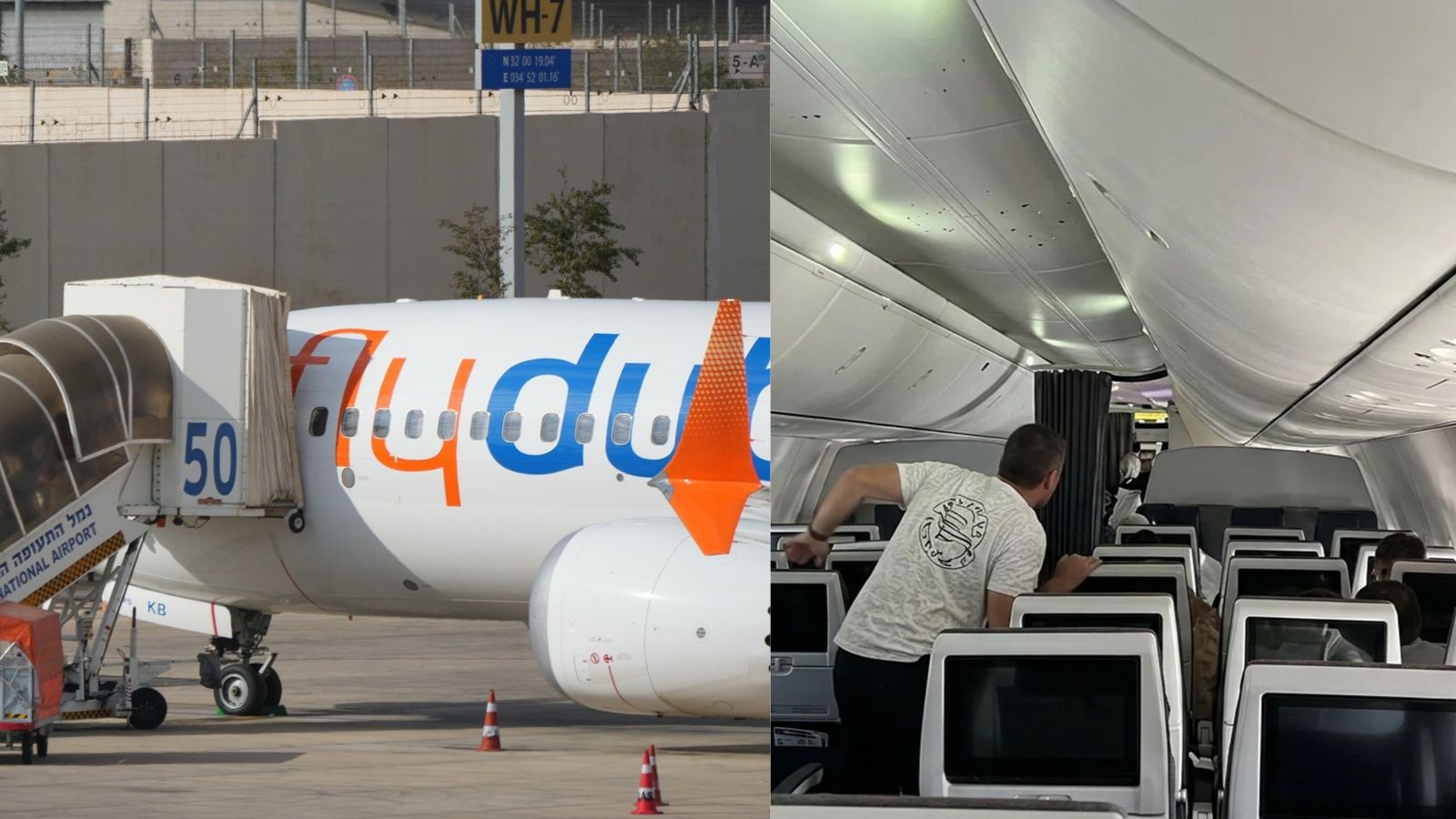
Commercial aviation relies on a fragile web of trust. We step into aluminum tubes, hand our lives over to two strangers behind a locked cockpit door, and assume baseline background checks actually work. That illusion shattered violently on Flydubai Flight 1073.
When co-pilot Hamam al-Hammami launched a sudden, brutal attack against Captain Smit Machchhar using an emergency crash axe mid-flight, he wasn't just acting out of a sudden psychological break. Investigators from the United Arab Emirates and Israel pieced together a chilling reality. This was a premeditated suicide mission engineered long before the attacker even received his pilot uniform.
The Long Game of an Inside Threat
Most people assume airline screening weeds out extremists before they ever touch the controls. The reality is messier. Al-Hammami deliberately targeted budget airlines operating routes into Tel Aviv's Ben Gurion Airport. He applied to Flydubai with the explicit intention of executing a high-profile suicide attack.
Security audits later revealed massive blind spots. Despite warning signs in his background—including rejected training applications elsewhere and flagged extremist indicators—he slipped through regulatory cracks. He even contemplated striking earlier in the year, only holding off because a personal acquaintance happened to be on the crew roster that day.
This wasn't a sophisticated cyber-hijacking or an explosive payload smuggled through terminal security. It was a low-tech, high-intent betrayal from inside the flight deck. It proves that physical access remains an airline's most vulnerable attack vector.
Inside the Cockpit Chaos
The attack itself unfolded like a nightmare scenario. Armed with the aircraft's heavy emergency axe, al-Hammami struck the captain repeatedly, aiming to incapacitate him and take total control of the Boeing 737 MAX.
Captain Machchhar fought back desperately, sustaining severe wounds while preventing the co-pilot from locking the reinforced door entirely or executing a catastrophic nosedive into populated areas. Passengers and deadheading crew members heard the commotion, breached the flight deck, and physically restrained the attacker using makeshift restraints like headphone wires and cable ties.
The aircraft plunged thousands of feet in chaotic airspace near the Saudi-Jordanian border before a diverted emergency landing in Tabuk saved the 180 souls on board. Quick thinking by the surviving crew and passengers prevented a disaster that could easily have matched the scale of historical aviation tragedies.
Why This Changes Everything for International Travel
Aviation authorities across the Middle East and beyond are scrambling to rewrite vetting protocols. Prime Minister Benjamin Netanyahu and international security officials immediately called for sweeping reviews of foreign carrier screening procedures, specifically for flights entering high-risk or politically sensitive airspace.
Airlines love to market their automated safety systems and state-of-the-art
Why the Flydubai Pilot Security Scare Highlights Aviation's Hardest Blind Spot
news
Commercial aviation operates on a terrifying premise of absolute trust. You strap yourself into a metal tube flying at 35,000 feet, handing absolute control of your life to two people locked behind a reinforced door. When reports surfaced that authorities suspected a Flydubai co-pilot of planning to crash an aircraft into a major airport or a United States military base, it sent a cold shock through the global travel community.
People think airplanes are hack-proof and pilot-proof. They aren't.
Security protocols focus heavily on keeping threats out of the cabin. Metal detectors, explosive traces, liquid bans, and armored cockpit doors exist to stop external actors. But what happens when the threat wears a uniform and holds an airline ID? Insider threats remain commercial aviation's most difficult blind spot. You can't lock the door against someone who is already inside the flight deck.
The Anatomy of an Insider Aviation Threat
Aviation safety boards spend decades investigating mechanical failures, weather phenomena, and air traffic control errors. Statistically, machines break down far less often than human minds do. When a pilot experiences severe psychological distress, radicalization, or personal crisis, the cockpit transforms from a workspace into a high-stakes variable.
Investigations into past catastrophic incidents, such as the Germanwings Flight 9525 tragedy, forced global regulators to rethink mental health monitoring. Yet, gaps remain massive. Airlines push for efficiency, turnaround times, and strict schedules. Pilots face immense financial pressure, fatigue, and the fear of reporting mental health struggles. If admitting to depression or anxiety means losing your medical certificate and your livelihood, pilots hide their symptoms.
They mask their pain until a breaking point occurs.
The Flydubai situation underscores how international intelligence sharing and local law enforcement must intersect to catch red flags early. Intelligence agencies track radicalization pathways, erratic financial behavior, and sudden changes in lifestyle. When a commercial aviator triggers alarms in security databases, the response window shrinks to hours, sometimes minutes.
Why Screening Pilots Is Broken
A background check tells you what a person did yesterday, not what they plan to do tomorrow. Most commercial pilots undergo rigorous initial vetting, including background checks, fingerprinting, and psychological evaluations. Once hired, routine checks drop significantly in depth.
A pilot might sail through a simulator checkride every six months while their personal life unravels entirely. Financial ruin, ideological grooming online, or sudden psychological breaks don't show up on a standard technical proficiency check.
Airlines and civil aviation authorities rely heavily on peer reporting. The logic sounds reasonable: pilots spend hours together in close quarters, so they should notice changes in behavior. In reality, pilot culture often discourages snitching. Nobody wants to destroy a colleague's career over a hunch or a bad mood. This reluctance creates a silent bubble where warning signs go unaddressed.
What Real Security Reform Looks Like
Fixing this vulnerability requires dismantling old taboos around mental health in aviation.
First, airlines need confidential, non-punitive psychological support systems. If a pilot can seek help for a mental health crisis without immediately losing their wings, they will speak up. Punitive policies force people into silence.
Second, continuous vetting must evolve. Modern security frameworks should integrate behavioral analytics and proactive monitoring rather than relying solely on static background checks conducted once a decade. Intelligence agencies, national security apparatuses, and commercial carriers must share threat indicators faster and more transparently.
You cannot eliminate human risk entirely. Aviation relies on human judgment, and humans are inherently flawed. But ignoring the vulnerability of the flight deck leaves the door wide open to catastrophe. Trust is necessary to run global airlines, but verification and honest mental health support keep that trust from turning into a fatal mistake.