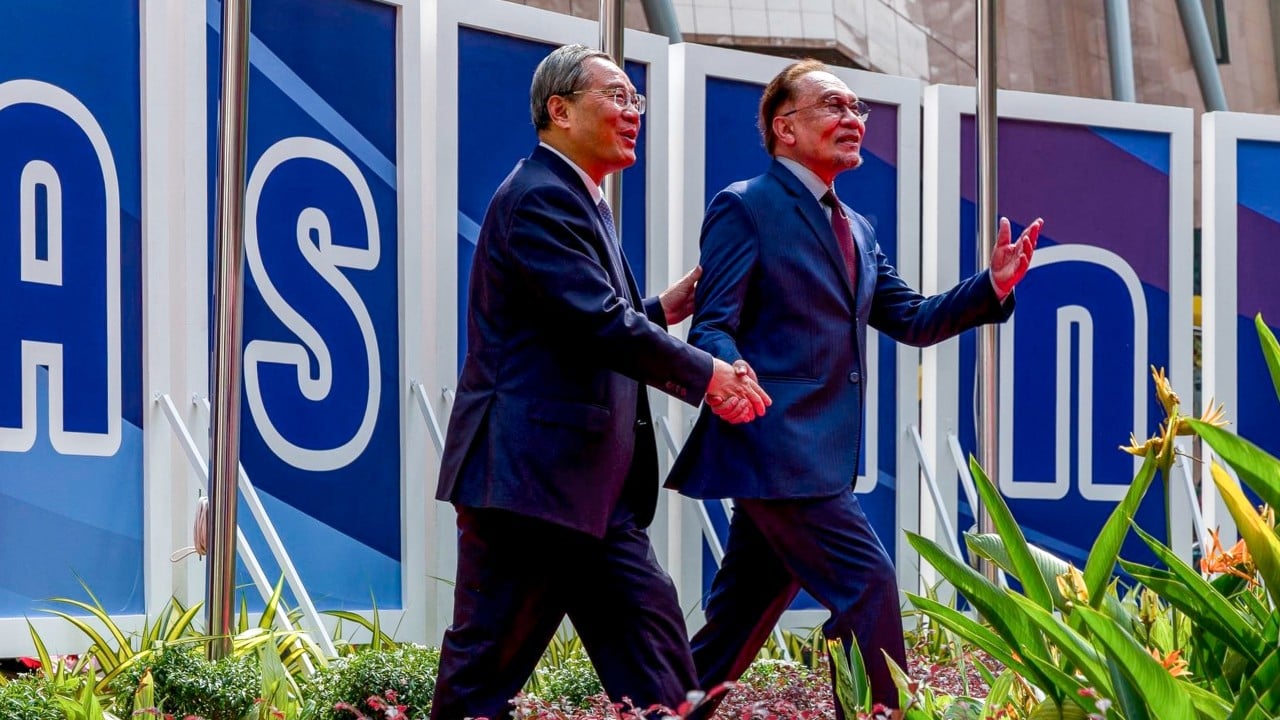
Foreign ministries love nothing more than a high-profile itinerary. Pack the delegation, book the grand hotel, and announce a massive memorandum of understanding that sounds revolutionary on a Tuesday press release and evaporates by Friday afternoon. The media eats it up. Analysts write thousands of words about bilateral momentum and strategic alignment. It is all expensive performance art.
Take the endless fascination with Southeast Asian trade delegations heading east. The lazy consensus says these diplomatic hops represent profound macroeconomic shifts. Commentators track flight paths like amateur air traffic controllers, reading tea leaves into every handshake and photo opportunity. They assume physical presence equals structural integration. They are entirely wrong. For a different view, check out: this related article.
Strip away the pomp and protocol. What remains is transactional optics. Actual capital allocation does not care about photo-ops on tarmac stairs. Supply chains reconfigure based on cost arbitrage, regulatory friction, and logistical efficiency, not because two ministers smiled for the cameras in Beijing.
Consider a scenario where a prime minister signs a dozen non-binding agreements for agricultural exports. The headlines celebrate a diplomatic triumph. Meanwhile, shipping container costs fluctuate, customs clearance times double at the port, and private corporations quietly shift their manufacturing lines to entirely different jurisdictions based on tax credits. The state visit changed precisely nothing. Related insight on this trend has been shared by NPR.
Mainstream coverage treats these state visits as catalysts. They are actually lagging indicators. By the time a leader packs their bags for a major economic summit, the private sector has already wired the money, hedged the currency risks, and settled the contracts months prior. The politicians are simply jogging to catch up with a train that left the station long ago, waving flags to make it look like they are driving the engine.
Stop pretending that statecraft dictates commerce. Trade flows through the path of least resistance, not the path of grand receptions. If you want to understand where capital actually flows, ignore the red carpets and follow the ledger sheets.
The next time a major state visit hits the front page with claims of historic trade breakthroughs, look past the rhetoric. Check the foreign direct investment data from the quarter prior. The deal was already done in a boardroom in Shenzhen or Kuala Lumpur while the diplomats were still drafting their travel itineraries.