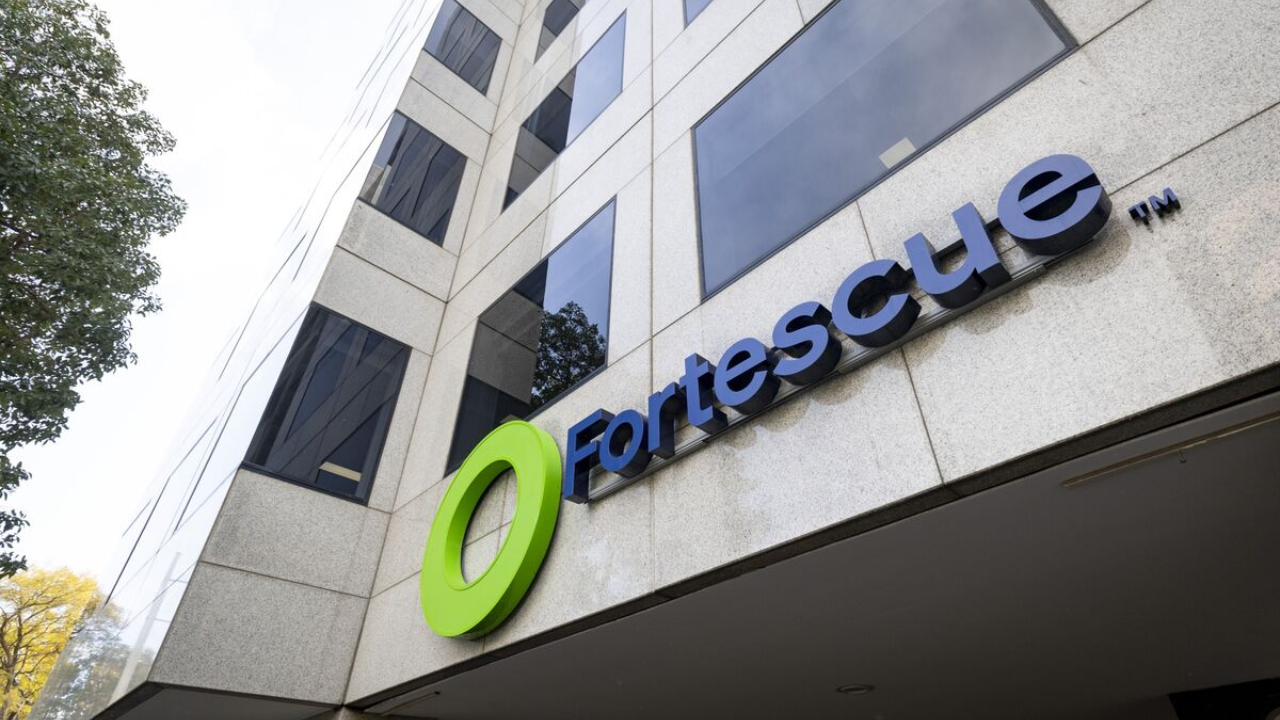
Corporate iron ore giant Fortescue just learned a hard lesson about public optics and internal governance. After initially defending a decision to keep an unnamed senior executive at work during a workplace misconduct investigation, the company completely reversed course and suspended the employee.
If you follow corporate governance crises, this quick turnaround tells a story. It highlights the massive pressure major resource companies face when handling allegations of sexual harassment and bullying. Let's break down why this happened and what it means for accountability at the top.
The Week That Forced a Corporate U-Turn
The timeline here is messy. Earlier during an earnings call, Fortescue energy chief Gus Pichot defended keeping the executive on the job. He insisted that management had taken extensive external legal and governance advice. They felt confident they were following the proper process.
That confidence didn't last a full week.
Following additional external legal and governance advice, leadership changed their tune. The executive was barred from undertaking any work while law firm MinterEllison continues its independent probe. No formal findings have been released yet, and the allegations remain unproven. Yet, the immediate optics of letting someone under investigation stay at their desk proved untenable.
Mining Culture and the Broader Pressure Cooker
This isn't happening in a vacuum. Western Australia's mining sector has spent years under a microscope regarding fly-in, fly-out worksite culture. A landmark parliamentary inquiry kicked off the scrutiny, exposing deep-seated issues with harassment and remote camp safety.
Fortescue employs over 16,000 people. The company recently reported its annual figures, noting 98 psychosocial matters logged over the financial year. That tally included thirteen instances of inappropriate sexual contact, ten sexual harassment reports, and one alleged sexual assault. While those numbers dropped roughly twenty percent from the prior period, and the firm dismissed eleven workers for code-of-conduct breaches, a high-level executive probe cuts differently.
When leadership gets accused, the standard corporate playbook gets tested. Keeping an executive working while an external law firm investigates sends a mixed message to the rank-and-file. Workers notice. Regulators notice.
Legal Fronts and Ongoing Scrutiny
Fortescue is fighting battles on multiple fronts right now. Beyond the individual executive inquiry, the company is dealing with a Federal Court class action filed by law firm JGA Saddler. That lawsuit alleges systemic failures to protect women from sex discrimination and harassment. Similar legal actions target industry peers like BHP and Rio Tinto.
Companies can no longer sweep these cultural failures under the rug. Transparency is mandatory, even when it hurts. When a major miner handles a high-stakes executive probe clumsily, the market reacts fast. Fortescue's backflip shows that external pressure will usually override initial corporate stubbornness.
Take a hard look at how your own organization handles internal complaints. If standard operating procedures protect senior leaders while leaving everyday staff vulnerable, you are inviting a PR disaster and potential litigation. Audit your reporting channels, ensure independent oversight is standard from day one, and never assume an executive title shields anyone from immediate suspension during serious misconduct probes.