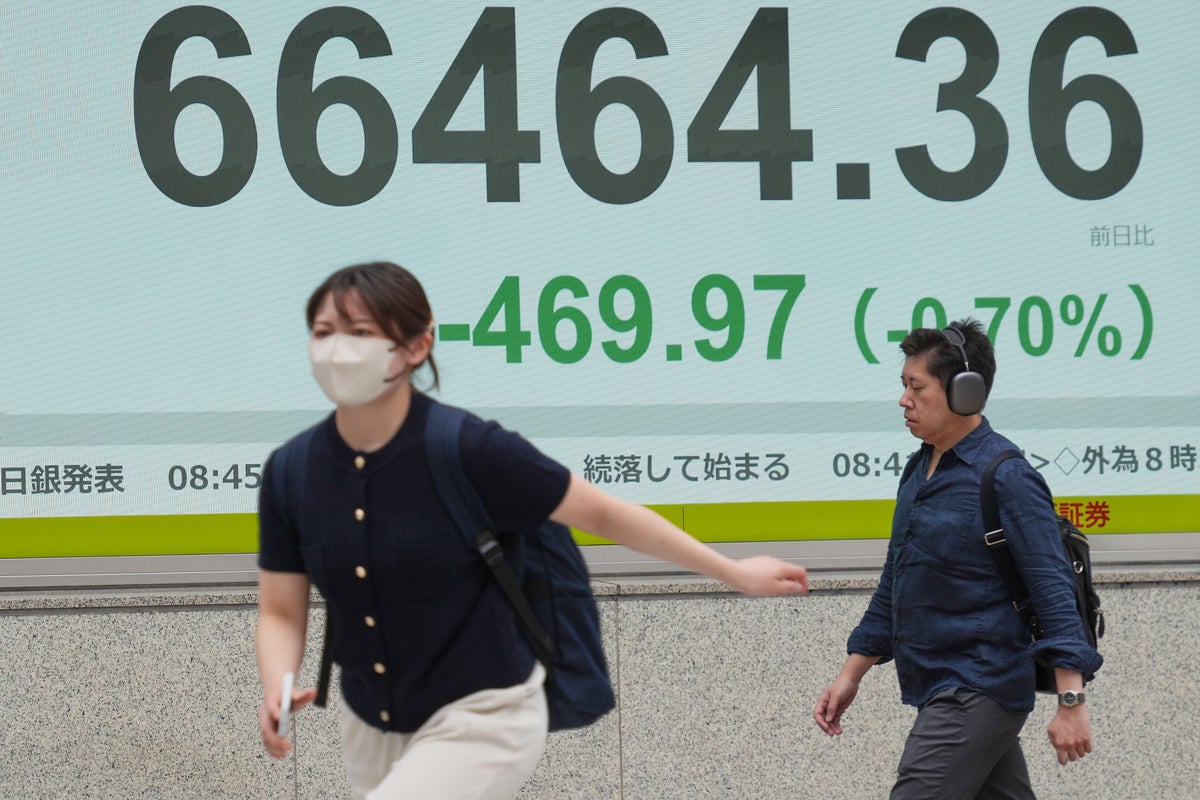
Geopolitics just tore up the financial playbook again. Investors hoping a diplomatic breakthrough would secure a permanent end to the conflict between the United States and Iran are facing a harsh reality check. A sudden eruption of missile exchanges and drone strikes has left the highly publicized ceasefire in tatters, triggering a wave of risk aversion across global trading desks.
Asian equity markets bore the brunt of this anxiety in early Tuesday trading. The brief wave of optimism that accompanied initial talk of a peace deal evaporated, replaced by defensive positioning. When the Strait of Hormuz remains a flashpoint, global trade cannot simply breathe a sigh of relief.
The Mirage of a Lasting Ceasefire
Markets hate uncertainty, but they hate false hope even more. The tentative framework mediated by regional actors was supposed to provide a diplomatic off-ramp. Instead, it exposed how quickly tactical agreements fall apart on the ground. U.S. Central Command confirmed retaliatory strikes on Iranian military facilities following unprovoked drone attacks, while Tehran countered with accusations that Washington fired first.
This back-and-forth directly impacts the broader economic picture. The core issue for global macroeconomics isn't just the diplomatic posturing; it's the physical choke points of global energy. Treasury Secretary Scott Bessent made it clear that any formal sanctions relief remains contingent on Iran permanently reopening the Strait of Hormuz. Roughly 20% of the world's petroleum liquids pass through this narrow waterway. With the U.S. Navy maintaining a strict maritime blockade and Iran threatening further disruption, energy security is anything but guaranteed.
How Asian Regional Indexes Are Reacting
The selling wasn't a panic, but it was widespread and deliberate. Institutional money managers routinely trim exposure to export-heavy Asian economies when Middle Eastern tensions spike, simply because these nations are highly vulnerable to energy price shocks.
- MSCI's Broadest Index of Asia-Pacific Shares fell 0.6% early Tuesday, fluctuating wildly as trading desks attempted to price in the conflicting military reports.
- Japan's Nikkei 225 and South Korea's KOSPI both pulled back from recent near-record highs. A cooling in tech momentum combined with regional risk factors prompted quick profit-taking.
- Hong Kong's Hang Seng and the Shanghai Composite showed similar vulnerability, breaking recent winning streaks as consumer and financial sectors faced headwinds from the sudden macro shift.
Traders are realizing that a true resolution will take months, if not years. President Trump noted during a recent Cabinet meeting that compared to historical conflicts, this engagement is only a few months old. That tells you everything you need to know about the administration's willingness to dig in for a long negotiation.
Crude Oil Rebounds as Supply Risk Returns
You can't talk about Asian equities without looking at the oil pits. Brent crude jumped back toward the $92 a barrel mark, a stark contrast to the sub-$70 levels seen before hostilities began earlier this year.
Higher oil acts as an immediate tax on Asian manufacturing powerhouses like India, Japan, and South Korea, which import the vast majority of their crude. When energy costs climb, corporate margins compress, and inflation expectations rise. This complicates life for central bankers, such as Bank of Japan Governor Kazuo Ueda, who are already weighing delicate decisions on interest rate normalization.
How to Position Your Portfolio Right Now
Stop trying to trade every single headline out of the Middle East. Algorithmic trading systems will always beat you to the punch on breaking news. Instead, focus on structural resilience.
First, check your energy exposure. If you're heavily weighted in airlines, shipping firms, or logistics companies that don't have robust fuel-hedging programs, you're taking on massive hidden risk. Second, look at the currency cross-rates. A prolonged conflict tends to strengthen the safe-haven U.S. dollar, which pressures emerging market equities across Asia due to dollar-denominated debt servicing costs.
Move cash toward high-quality defensive businesses with pricing power. Companies that can pass rising input costs directly to consumers will survive this period of geopolitical friction far better than speculative tech names relying on cheap capital and stable global trade routes. Keep your asset allocation flexible and don't mistake a temporary truce for a permanent peace.