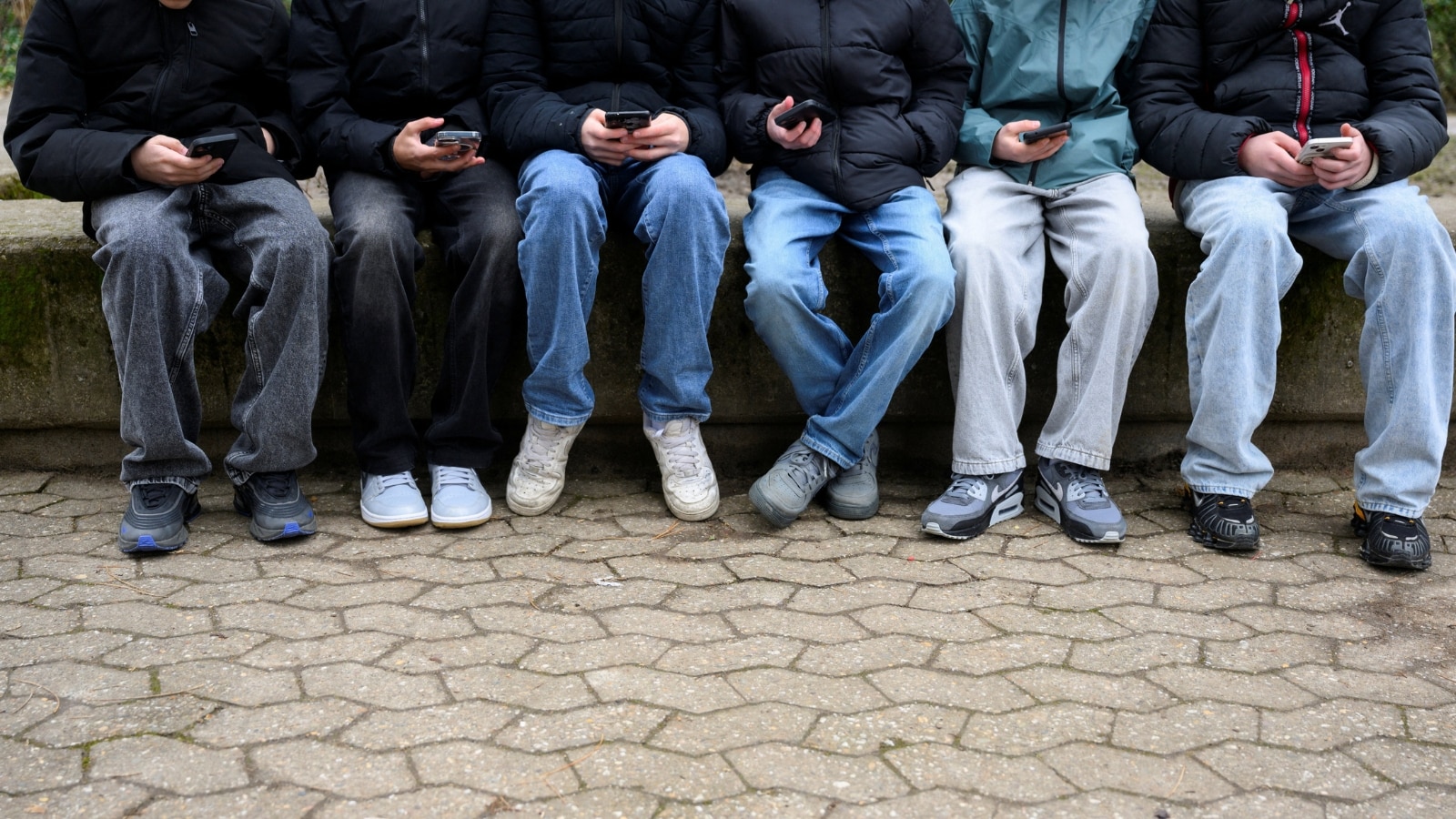
French lawmakers just did what parents around the globe have been begging politicians to do for years. On July 21, 2026, France became the first European Union country to pass a sweeping ban on social media for kids under 15.
The French Senate and National Assembly passed the bill with a decisive 279-81 vote. If the law clears its final constitutional review, kids under 15 won't be allowed to create new accounts starting September 1, 2026. Tech platforms will get four months after that to purge every existing under-15 account off their servers.
It's a massive escalation in the battle between national governments and Silicon Valley. But will it actually stick, or are millions of French teenagers about to become masters of the VPN?
What France Just Actually Passed
President Emmanuel Macron made this law a central promise of his final term. He didn't mince words when pushing for it, telling French teens earlier this year, "We left you in this jungle and it robbed you of your attention."
The new law introduces a legal concept called the "digital majority" set at age 15. Here is what the legislation specifically mandates:
- New Account Restrictions: Starting September 1, 2026, apps like TikTok, Instagram, Snapchat, and YouTube cannot let anyone under 15 open an account.
- Account Deletions: Platforms have four months to scrub current users under 15.
- Mandatory Age Verification: Companies must install strict age check systems vetted by French privacy regulators.
- Advertising Bans: Marketing social media platforms to children is now illegal, and apps must display warning labels reading "Dangerous products for children under 15."
- School Phone Bans: High schools across France must completely ban mobile phones on school grounds starting this autumn.
The law exempts educational tools, scientific directories, and online encyclopedias. Everything else built on algorithmic feeds and infinite scrolling gets locked out.
Tech Giants Face a Technological Nightmare
This isn't France's first attempt to rein in big tech, but it is by far its most aggressive. Minister for Artificial Intelligence Anne Le Hénanff insisted the timeline is realistic because age verification tech already exists.
That sounds great on paper, but in practice, age verification is a technical mess.
If tech companies rely on government ID uploads, privacy advocates raise alarm bells about centralizing sensitive data. If they use facial age estimation, teenagers bypass it using basic camera tricks or simple lighting adjustments.
Australia passed a similar ban for kids under 16 late last year, resulting in millions of deleted accounts. Tech companies complied under threat of astronomical fines, but teenagers immediately flocked to unmoderated secondary platforms and VPN services. France will run into the exact same cat-and-mouse game.
The Real Drivers Behind the Law
You can't understand why French politicians moved so fast without looking at what's happening on the ground.
French media regulator Arcom reported that kids aged 12 to 17 spend an average of 81 minutes a day on TikTok alone. Parents and mental health experts have grown increasingly vocal about algorithmic feeds driving young teens down rabbit holes of self-harm, body dysmorphia, and depression.
Multiple French families recently filed lawsuits against TikTok after tragic teen suicides, alleging the platform's recommendation engines actively fed dangerous content to vulnerable minors.
Gaëlle Berbonde, a parent whose teenage daughter spent 18 months hospitalized for severe eating disorders linked to TikTok algorithms, summed up the sentiment during parliamentary hearings: "We have no other option, no other way to counter tech giants. The only thing we can do is protect our children, just as we protect our children from drinking alcohol."
Legal Hurdles and the EU Question
Passing parliament was the easy part. The bill still has two massive hurdles to clear before September.
First, France's Constitutional Council must review the bill to ensure it doesn't violate fundamental rights to free speech and information access. Left-wing lawmakers from France Unbowed opposed the bill on civil liberties grounds, arguing that a blanket ban punishes young citizens rather than regulating predatory corporate design.
Second, the European Commission needs to verify that the law aligns with the EU Digital Services Act. If Brussels decides France's local ban disrupts the single market or violates broader EU data rules, the law could face costly delays.
How Parents and Regulators Can Prepare Right Now
Whether France successfully enforces this on September 1 or gets bogged down in court appeals, the global political wind has shifted. Denmark, the UK, and several American states are drafting almost identical bills right now.
If you're managing tech policies at home or tracking digital regulations, don't wait for regulators to solve screen time.
Start moving your household or institution toward device-level restrictions rather than relying on app platforms to police themselves. Set up router-level DNS filtering, enforce physical phone drop-boxes during school or study hours, and teach teenagers how algorithmic recommendations are explicitly engineered to capture human attention. Laws can set boundaries, but local execution determines whether those boundaries hold.