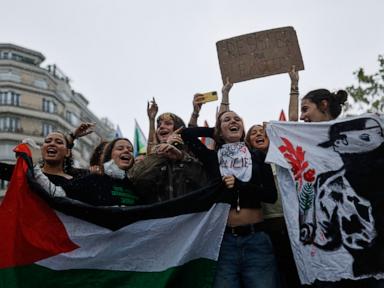
What started as angry teenagers blocking high school gates in September has morphed into a nationwide reckoning over wages, housing, policing, and the cost of simply staying afloat in France. If you've been watching the protests across France over rising living costs and wondering how school walkouts merged with mass union strikes, the short answer is pressure. Too much of it, hitting too many households at once.
Honestly, it's easy to miss the bigger picture when headlines focus on tear gas, broken glass, or street clashes. Yet behind the chaotic scenes in Paris, Lyon, Marseille, and Nantes lies a deeper collision between squeezed family budgets, strained classrooms, and a political system bracing for next spring's presidential election.
How Students and Working Families Joined Forces
Most surface-level coverage treats the school blockades and the cost-of-living marches as two separate stories that happened to overlap. That misses how the momentum built.
High schoolers first walked out in mid-September over overcrowding, school underfunding, and rigid schedules that leave students with awkward timetable gaps and days stretching until 6:00 p.m. By early October, hundreds of schools were partially or fully closed or blockaded, with students and teachers demanding real fixes rather than warm promises. When you're sixteen or seventeen watching your classrooms fall short while your parents complain about groceries, fuel, and rent, the line between school grievances and household economics blurs pretty fast.
Then came October 17. Student organizations converged with trade unions, former yellow vest activists, climate campaigners, and workers angry about stagnant pay and steep living expenses. Authorities estimated roughly 550,000 demonstrators marched across more than a hundred rallies that day, while organizers put the number even higher.
When teenagers protesting underfunded schools link arms with public servants and wage earners facing inflation, a local campus dispute becomes a test of the entire social contract.
By November, the wave hadn't gone away. Millions of public sector workers were urged into strikes after negotiations with Prime Minister Sébastien Lecornu fell short of union demands for broad pay raises, even after a private-sector minimum wage bump. Crowd counts varied sharply depending on who was counting—government tallies often put nationwide turnouts around 146,000 on major mobilization days, while unions like the CGT claimed more than 500,000—but the scale of disruption stayed unmistakable.
What Is Actually Driving the Anger in the Streets
If you only look at one issue, you won't understand why so many different groups stayed out week after week. Several pressures stacked on top of one another.
Household Costs and Stagnant Paychecks
Everyday expenses have been biting hard. Fuel prices, housing pressures, and broader living costs have eaten into purchasing power for working families and public employees alike. Even when governments announce targeted wage adjustments or talk about university admissions reforms like phasing out and replacing Parcoursup, many demonstrators argue those steps don't match what people spend at the pump, the supermarket, or on rent.
Education Strain and Admissions Frustration
High school students haven't just been complaining about building conditions. Many critics and students say the current mix of concentration tracks and admissions sorting adds stress, widens social divides, and leaves young people feeling locked into exhausting routines without enough support. Government officials, including Education Minister Édouard Geffray and President Emmanuel Macron, have pointed to ongoing talks and pushed back against blockades and property destruction, yet plenty of students say the pace of change feels too slow.
Policing Tactics and the Firearms Bill
As the protests dragged on, grievances expanded beyond pay and classrooms to include policing and civil liberties. Demonstrators, unions, and civil rights groups pushed back fiercely against proposed legislation giving officers and gendarmes stronger legal protection when using firearms on duty, which critics denounced as a "licence to kill". Supporters, including Marine Le Pen's National Rally, argued the bill protects officers from unfair automatic presumption of guilt.
Meanwhile, clashes in cities like Paris, Lyon, and Marseille brought tear gas, fires, and heavy arrests. Justice Minister Gérald Darmanin reported around 15,000 arrests or detentions across the cost-of-living and school protests since mid-September, while lawyers for injured demonstrators moved toward legal action against the interior ministry over alleged excessive force. According to France Assureurs reporting covered by Anadolu Agency, urban violence on October 17 and 18 alone generated more than €200 million ($219 million) in insured damage across 5,280 claims, mostly hitting businesses.
The Misconceptions People Get Wrong About These Rallies
Watching highlight clips on social media can warp how you read a movement. Here are three things people regularly get wrong.
- Everyone marching is rioting. It isn't even close. French officials themselves have noted that the vast majority of demonstrators marched peacefully, even when hooded agitators, looters, or violent clashes broke out in specific spots like Place de la République or parts of Lyon and Marseille. A peaceful march and a riot can happen on the same afternoon in the same city, and lumping them together obscures why ordinary teachers, students, and workers show up.
- Crowd numbers are a simple objective fact. They rarely are in French street politics. The Interior Ministry and unions routinely publish wildly different totals—sometimes differing by hundreds of thousands—because they use different counting methods and political incentives. Smart readers treat both figures as clues rather than gospel.
- This is purely a policy dispute with no electoral fallout. In reality, street anger is colliding directly with pre-election politics ahead of next spring's presidential race. Polling analyzed by outlets such as the Council on Foreign Relations shows Marine Le Pen leading while Jean-Luc Mélenchon has gained ground among frustrated voters, with heavy public blame falling on the government for the unrest.
What This Means If You Travel, Work, or Follow France
If you're planning a trip, managing operations in France, or just trying to track European politics without getting whiplash, a few practical habits help a lot.
First, check local prefecture advisories and transit alerts before moving around major cities on weekends or union strike days. Demonstrations can trigger station closures, traffic reroutes, or sudden perimeter controls around squares and government buildings. Second, build buffer time into flights, trains, and client meetings during scheduled mobilization days. Third, follow multiple primary sources—reputable wire services, local French outlets, and official ministry statements—rather than relying on a single viral clip.
France has a long history of turning economic frustration into street politics, and this cycle shows how quickly classroom discontent can merge with broader anger over living costs. Watch the wage negotiations, the Senate debate on policing, and the student union responses closely—they'll tell you whether the streets cool down or gear up for another round.
Protesters and students in France rally against rising living costs and education issues provides brief broadcast coverage of how demonstrators and students came together in October over living costs and school grievances.


