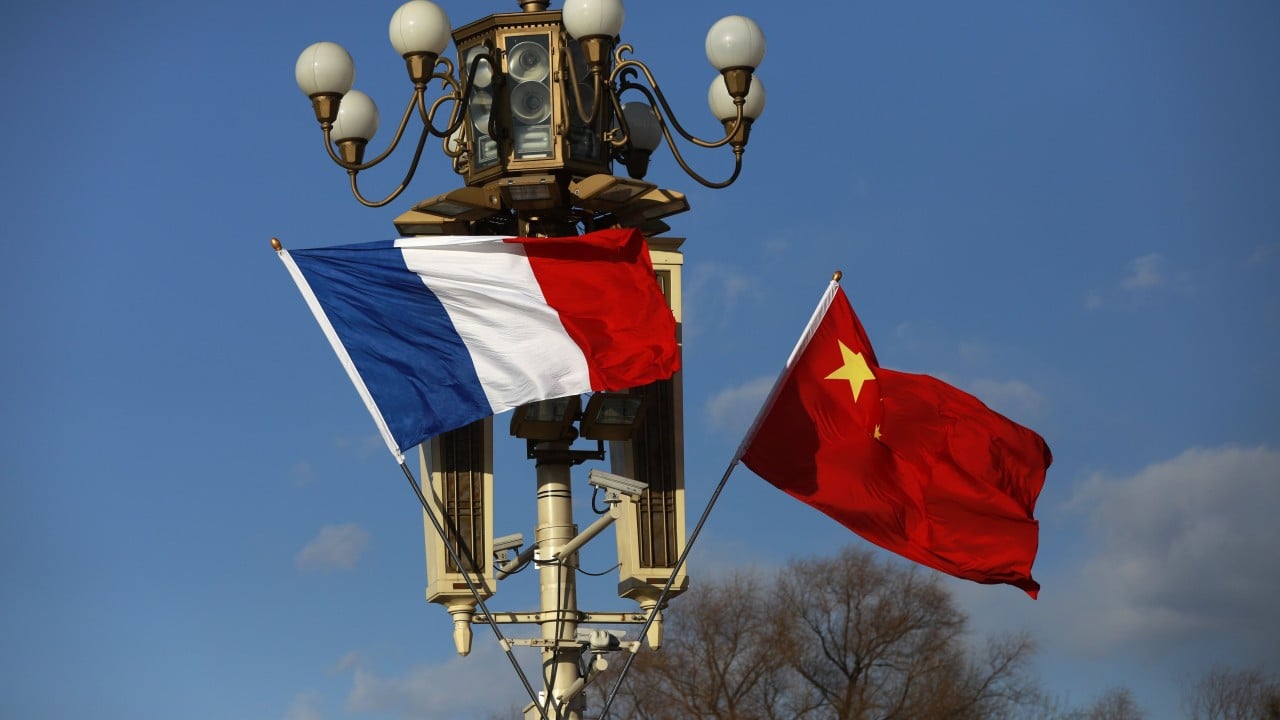
Media organizations possess enormous power to shape public perception. When a major broadcast network lets xenophobic generalizations slip on air, the damage extends far beyond a single news cycle.
A prominent French broadcaster recently found itself forced into a public apology after television pundits claimed that every single Chinese person could potentially be a spy. That kind of sweeping rhetoric isn't just lazy journalism. It's dangerous stereotyping that puts ordinary individuals at risk while dragging down the quality of public discourse. Learn more on a related subject: this related article.
You've probably noticed a sharp uptick in hostile commentary surrounding international relations lately. Geopolitical tensions run hot. News outlets chase ratings through sensationalism. Yet crossing the line from state-level criticism into ethnic generalization represents a massive failure of journalistic standards.
Let's unpack what actually happened, why the network's apology barely scratches the surface, and how modern media coverage repeatedly fails when discussing global superpowers. Additional reporting by The New York Times delves into comparable perspectives on this issue.
The Broadcast That Crossed the Line
The incident unfolded during a panel discussion on a well-known French television channel. Pundits debated international espionage and national security. Instead of focusing on targeted government intelligence operations, the conversation devolved into a broad generalization.
The core claim implied that nationality alone serves as an indicator of subversion. Think about how absurd that sounds under any logical scrutiny. Millions of students, tourists, researchers, and workers live abroad. Reducing human beings to geopolitical chess pieces erases individual identity entirely.
Public backlash was swift. Community leaders, civil rights advocates, and diplomats condemned the remarks. Faced with mounting pressure and potential regulatory penalties, the broadcaster issued a formal apology. They acknowledged that the commentary violated their ethical guidelines and failed to uphold basic standards of accuracy and fairness.
Why Broadcasters Keep Making This Mistake
This isn't an isolated incident. Media ecosystems across Europe and North America frequently stumble when reporting on countries perceived as adversaries.
Ratings drive modern media. Outrage sells. Nuanced discussions about cyber security, legal jurisdiction, and state actors take time and effort. Broadcasters often prefer loud, punchy soundbites that trigger emotional reactions.
When pundits generalize entire populations, they play into ancient xenophobic tropes. It's much easier to paint an entire diaspora with a single brush than to explain the complex reality of modern intelligence operations. Real espionage involves targeted recruitment, digital infrastructure, and specific state directives. It doesn't involve your local university student or your neighbor running a small bakery.
Media training for recurring guests often lacks teeth. Networks book commentators for their sharp opinions rather than their factual accuracy. When a pundit goes rogue on live television, producers face a terrible choice. Do they cut the feed immediately, or do they let it ride and deal with the cleanup later? Too often, they choose the latter because controversy boosts viewer engagement.
The Real Cost of Reckless Pundtry
Words carry weight. When mainstream television normalizes suspicion against a specific ethnic group, real people feel the impact on the streets.
Hate speech and discrimination don't happen in a vacuum. They build on cultural narratives pushed by authority figures. If people hear on national television that everyone from a specific country might be an agent of a foreign government, paranoia takes root.
We saw similar patterns during past geopolitical crises. Whenever tensions rise between Western nations and Asian powers, local communities bear the brunt of the backlash. Public figures have a duty to elevate the conversation, not drag it into the mud.
Accountability cannot end with a quick apology read out by a news anchor at midnight. Networks need stricter live-broadcasting controls, better guest vetting, and immediate on-air retractions when guests step out of bounds.
What Responsible Reporting Looks Like
Covering national security requires precision. Good journalists separate governments from ordinary citizens. They look at data, consult actual experts in international law, and resist the temptation to sensationalize complex security concerns.
If you consume news daily, you need to develop a healthy filter for media bias. Question sweeping statements. Look for evidence rather than emotion. When a broadcast relies on fear instead of facts, change the channel.
Real security threats demand serious, targeted investigation. Careless commentary on daytime television does nothing to protect national interests. It only creates division, spreads misinformation, and forces apologies that come far too late.


