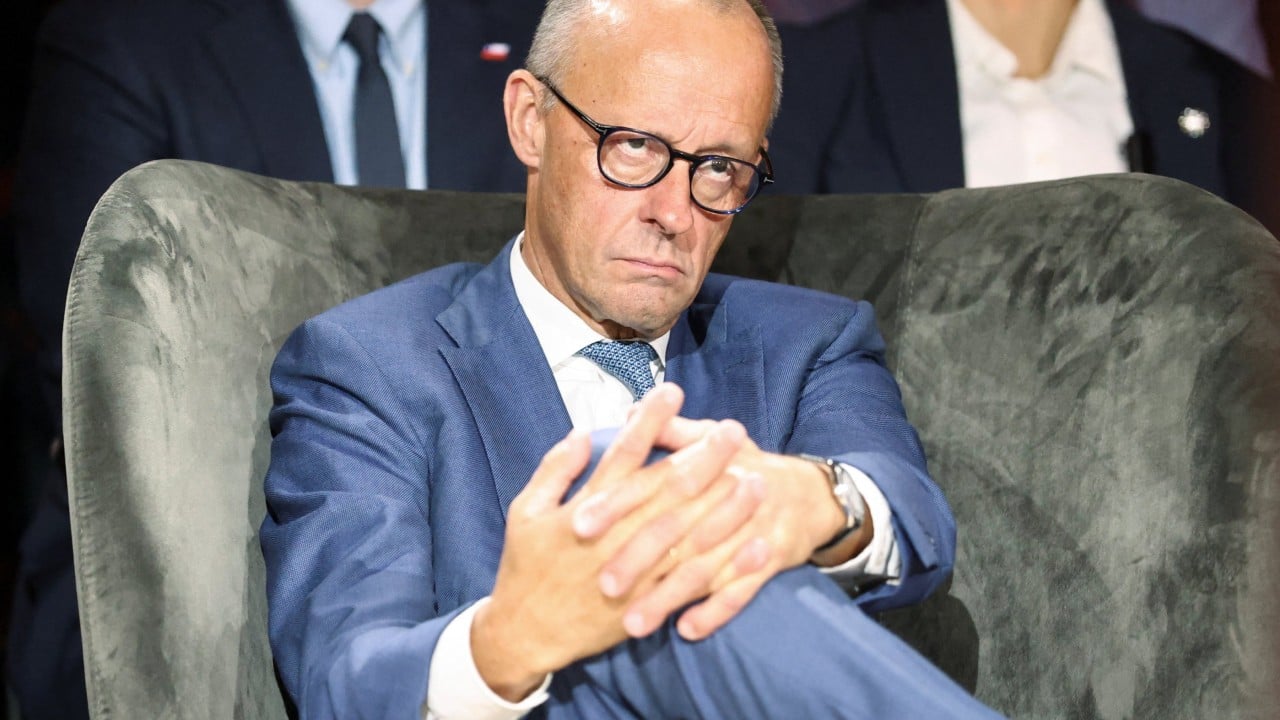
The cancellation of a high-profile international trip rarely happens in a vacuum. When Friedrich Merz pulled out of his scheduled journey to the United Nations General Assembly in New York, it was not merely a matter of adjusting a calendar. It was a calculated retreat forced by accumulating friction on the domestic front. Berlin is currently testing the limits of political patience, and the opposition leader found himself cornered by local realities that brook no transatlantic distraction.
The Domestic Boiling Point
Pressure in German politics has a way of compounding quietly until it breaches the surface. Merz faced a convergence of budgetary stalemates, contentious coalition dynamics, and mounting skepticism from regional stakeholders regarding the direction of national policy. Leaving the country for a diplomatic stage in Manhattan while core legislative battles raged in the Bundestag would have sent an unmistakable signal of detachment.
Opting to remain in Berlin allows Merz to project hands-on engagement. Yet, it also amplifies the scrutiny on every move he makes. When a politician cancels an overseas trip to manage domestic fallout, the implicit message is that the home front is fragile. The chancellor-in-waiting narrative relies heavily on an aura of unshakeable control, and emergency schedule changes expose the raw nerves underneath.
The Cost of Absence
International summits offer a distinct brand of statecraft. They provide a platform to project global authority, signal alignment with international partners, and rehearse the responsibilities of higher office. By staying away from New York, Merz bypassed crucial networking opportunities with global counterparts who watch Berlin for signs of economic and geopolitical stability.
Diplomacy is often measured in physical presence. When a prominent European figure skips a major UN gathering, foreign capitals notice. They begin to recalibrate their assessments of domestic volatility inside Germany. Is the political system becoming too internally focused to sustain its traditional leadership role in Europe? That is the question whispered in foreign ministries from Washington to Paris.
Navigating the Political Crosscurrents
Merz now has to convert this defensive maneuver into offensive momentum. Staying home solves the immediate optics problem of abandoning the field during a domestic squeeze, but it raises the stakes for what happens next in parliament. Every debate, every budget compromise, and every policy maneuver will be weighed against the political capital he spent by grounding his New York flight.
The pressure will not subside simply because a travel itinerary was altered. If anything, the spotlight burns hotter now. The domestic arena demands tangible legislative positioning, and avoidance of international distractions only leaves Merz with fewer places to hide when the tough votes arrive. The calculus of political survival is rarely about grand gestures on the world stage; it is fought in the trenches of local compromise, and Merz has chosen to stay in the mud.