The Geopolitical Arbitrage Engine
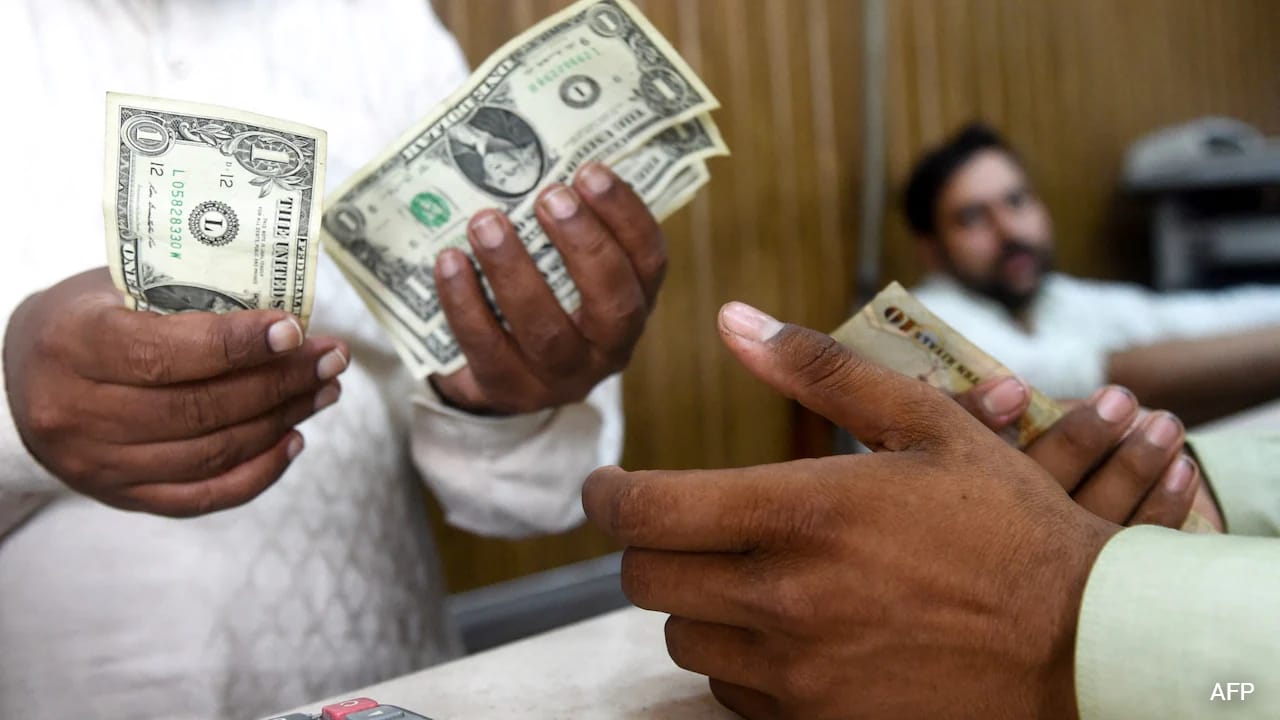
Islamabad's request to US Treasury Secretary Scott Bessent for a $10 billion Bilateral Exchange Stabilization Support Facility represents a structural shift in how South Asian sovereign actors monetize regional mediation. Rather than settling for traditional, transaction-level military aid or piecemeal debt rollovers, Pakistan is attempting to convert diplomatic capital into high-grade balance-of-payments relief.
This maneuver operates on a model of geopolitical arbitrage: an actor exploits price discrepancies between political leverage in a high-stakes conflict (the US-Iran confrontation) and international capital costs in sovereign credit markets.
                                  [ GEOPOLITICAL LEVERAGE ]
                                 (US-Iran Mediation & Assets)
                                              │
                                              ▼
┌────────────────────────────────────────────────────────────────────────────────────────┐
│                                 ISLAMABAD ARBITRAGE HUB                                │
├───────────────────────────────────────────┬────────────────────────────────────────────┤
│           Monetary Stabilization          │            Strategic Alignment             │
│   • $10B Exchange Stabilization Facility  │   • US Treasury Backstop (ESF)             │
│   • Compression of Sovereign Risk Premium │   • Alternative to IMF / Paris Club Rules  │
└───────────────────────────────────────────┴────────────────────────────────────────────┘
                                              │
                                              ▼
                                   [ MACRO FINANCIAL SHIELD ]
                              (Fx Buffer & Rupee Stabilization)
By leveraging its unique position—maintaining open intelligence channels with Tehran while securing transactional access to Washington—Pakistan seeks to lower its national cost of capital without incurring the domestic political penalties associated with standard IMF austerity protocols.
Anatomy of the Requested Mechanism
The mechanism requested by Pakistani Finance Minister Muhammad Aurangzeb differs fundamentally from standard multilateral financing. It is not a multilateral loan tranche, nor is it a central bank liquidity line of the variety issued by the Federal Reserve.
┌───────────────────────────────┬───────────────────────────────┬───────────────────────────────┐
│ Feature                       │ Fed Swap Lines                │ IMF Extended Fund Facility    │ US Treasury ESF (Requested)   │
├───────────────────────────────┼───────────────────────────────┼───────────────────────────────┤
│ Primary Objective             │ Global USD Liquidity          │ Structural Fiscal Adjustment  │ Sovereign Bilateral Support   │
│ Political Governance          │ Independent Central Bank      │ Multilateral Board Consensus  │ Executive Discretion (Treasury)│
│ Conditionality Structure      │ Zero Policy Directives        │ High (Tax, Subsidies, Rates)  │ Transactional / Geopolitical  │
│ Capital Markets Impact        │ Neutral                       │ Defensive Benchmark           │ Aggressive De-risking Signal  │
└───────────────────────────────┴───────────────────────────────┴───────────────────────────────┘
The US Treasury’s Exchange Stabilization Fund (ESF) grants the executive branch discretionary authority to execute currency swaps, guarantees, or direct dollar provisions. Securing a five-year, $10 billion facility from this fund achieves three explicit structural objectives for Pakistan:
- Fx Reserve Floor: Injects hard currency directly into the State Bank of Pakistan's balance sheet, mitigating recurring liquidity crunches caused by lumpy debt service obligations.
- Rupee Defense without Interest Hikes: Neutralizes localized currency runs without forcing the central bank into growth-depressing monetary tightening cycles.
- Yield Curve Compression: Re-prices Pakistan's sovereign risk in Eurobond markets by signaling an explicit US backing, lowering borrowing costs for future debt issuances.
The Structural Fragility of Pakistan’s Capital Account
Pakistan’s balance-of-payments vulnerability is a recurring structural loop. Despite securing a $7 billion Extended Fund Facility and a $1.3 billion climate resilience facility from the IMF, the country remains exposed to external shocks.
┌────────────────────────────────────────────────────────────────────────────────────────┐
│                        PAKISTAN'S STRUCTURAL LIQUIDITY CYCLE                           │
└────────────────────────────────────────────────────────────────────────────────────────┘
                                              │
                                              ▼
                       ┌──────────────────────────────────────────────┐
                       │   Narrow Export Base & High Oil Imports      │
                       └──────────────────────────────┬───────────────┘
                                                      │
                                                      ▼
                       ┌──────────────────────────────────────────────┐
                       │        External Fx Buffer Depletion          │
                       └──────────────────────────────┬───────────────┘
                                                      │
                                                      ▼
                       ┌──────────────────────────────────────────────┐
                       │ Bilateral Repayments (e.g., $3.5B to UAE)    │
                       └──────────────────────────────┬───────────────┘
                                                      │
                                                      ▼
                       ┌──────────────────────────────────────────────┐
                       │  Ad-Hoc Bilateral Injection (e.g., Saudi $3B)│
                       └──────────────────────────────┬───────────────┘
                                                      │
                                                      ▼
                       ┌──────────────────────────────────────────────┐
                       │   Sovereign Credit Rating Stagnation (B-)    │
                       └──────────────────────────────────────────────┘
The underlying vulnerabilities fall into three core operational breakdowns:
- The Bilateral Repayment Shock: In April, Pakistan paid down $3.5 billion to the United Arab Emirates—wiping out nearly 20% of its total foreign currency reserves in a single stroke. This required an immediate $3 billion offset from Saudi Arabia simply to maintain basic liquidity levels.
- Trade Misalignment and Commodity Vulnerability: Pakistan imports nearly 90% of its crude oil and virtually all of its Liquefied Natural Gas (LNG). Regional Middle Eastern conflicts simultaneously drive up energy import bills and disrupt shipping channels, inflating the current account deficit faster than IMF disbursements can cover.
- The Capital Flight Trap: Because Pakistan’s sovereign credit rating remains deeply within speculative-grade territory, private capital markets charge prohibitive risk premiums. Institutional foreign direct investment remains subdued due to historical limits on profit repatriation and currency volatility.
The Execution Paradox: Why Geopolitical Rent-Seeking is High-Risk
Attempting to monetize diplomatic mediation carries distinct strategic and economic execution risks. Relying on US Treasury interventions rather than fundamental structural reforms creates operational vulnerabilities across multiple fronts.
The Fiscal moral Hazard
Relying on a $10 billion Treasury backstop reduces the domestic political impulse to execute structural tax reforms, broaden the revenue base, and privatize loss-making state-owned enterprises. It replaces durable domestic balance-sheet correction with temporary foreign-policy revenue.
The Bilateral Friction Vector
US executive-backed stabilization facilities carry implicit, unstated strategic costs. Aligning too closely with US Treasury objectives risks alienating China—Pakistan's primary bilateral creditor holding roughly $70 billion in debt—and can complicate direct intelligence co-operation with Tehran.
The Credibility Gap in Private Markets
International debt investors view Treasury stabilization facilities as political interventions rather than signs of organic economic turnaround. Unless accompanied by a sustained rise in export revenue and foreign direct investment, the underlying sovereign default risk is merely deferred, not resolved.
Strategic Playbook: The Path to Sovereign Liquidity
To convert temporary geopolitical leverage into permanent economic stability, Pakistan's policy architects must execute a clear, sequential strategy rather than relying solely on US Treasury intervention.
┌────────────────────────────────────────────────────────────────────────────────────────┐
│                              STRATEGIC EXECUTION ROADMAP                               │
├──────────────────────────────┬──────────────────────────────┬──────────────────────────┤
│ Phase 1: Capital Structuring │ Phase 2: Foreign Investment  │ Phase 3: Export Base     │
│                              │          De-risking          │          Expansion       │
├──────────────────────────────┼──────────────────────────────┼──────────────────────────┤
│ • Ring-fence $10B Facility   │ • Expand Real Estate & Mining│ • Implement Special      │
│   exclusively for Fx buffers │   deals (e.g., Reko Diq)     │   Economic Zones         │
│ • Negotiate multi-year       │ • Monetize legacy assets     │ • Institutionalize       │
│   maturity structures        │   (e.g., Roosevelt Hotel)    │   Stablecoin Settlement  │
└──────────────────────────────┴──────────────────────────────┴──────────────────────────┘
- Ring-Fence the Treasury Facility for Balance-Sheet De-risking: If the $10 billion facility is granted, forbid its use for budget deficit monetization. Every dollar must be held in primary reserves to bring total backstops to $20 billion, triggering a sovereign credit upgrade and reopening primary Eurobond access.
- Execute Sovereign Asset Monetization: Leverage ongoing commercial ventures—such as the US Export-Import Bank’s $1.25 billion involvement in the Reko Diq mining project, the re-development model of the Roosevelt Hotel in New York, and stablecoin payment pilots with US platforms—to build structural, non-debt foreign exchange inflows.
- Institutionalize Geopolitical Stabilization Services: Transition the state's diplomatic mediation capacity from an ad-hoc emergency negotiation tool into a formalized, regional security apparatus. This positions Pakistan as an indispensable security nexus for both Western capital and Gulf sovereign wealth funds, creating a recurring, institutionalized geopolitical dividend.