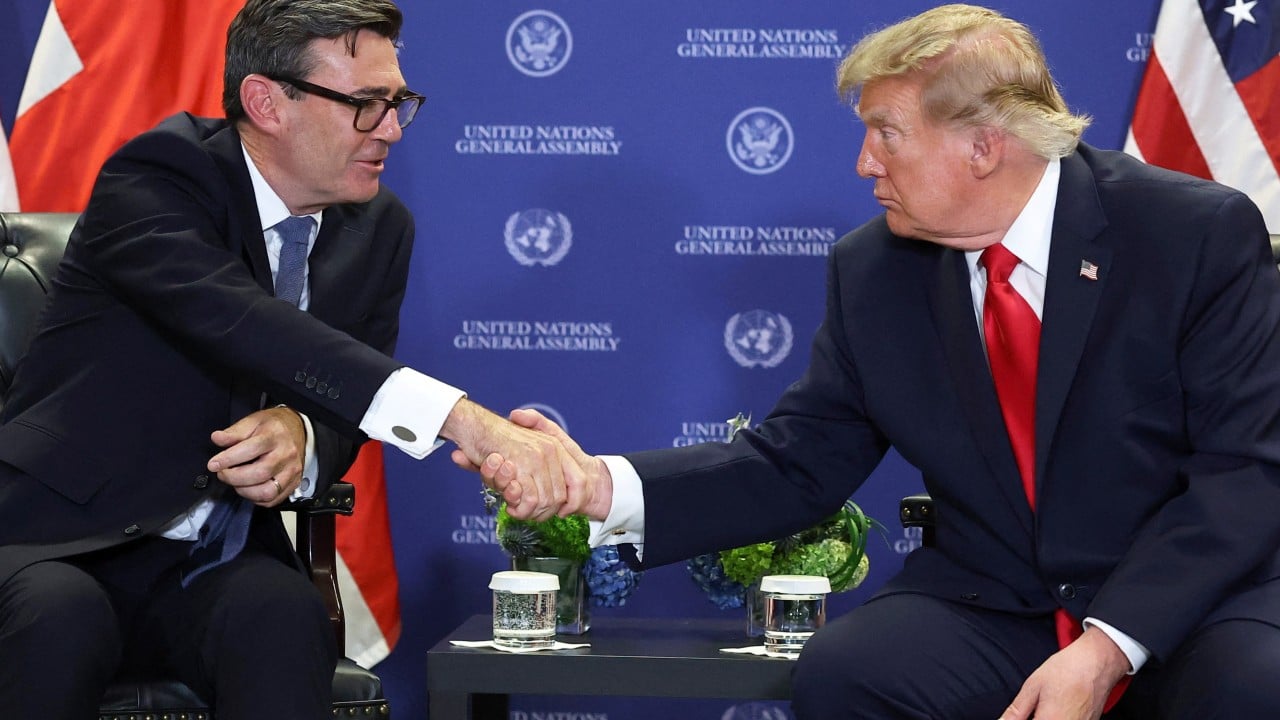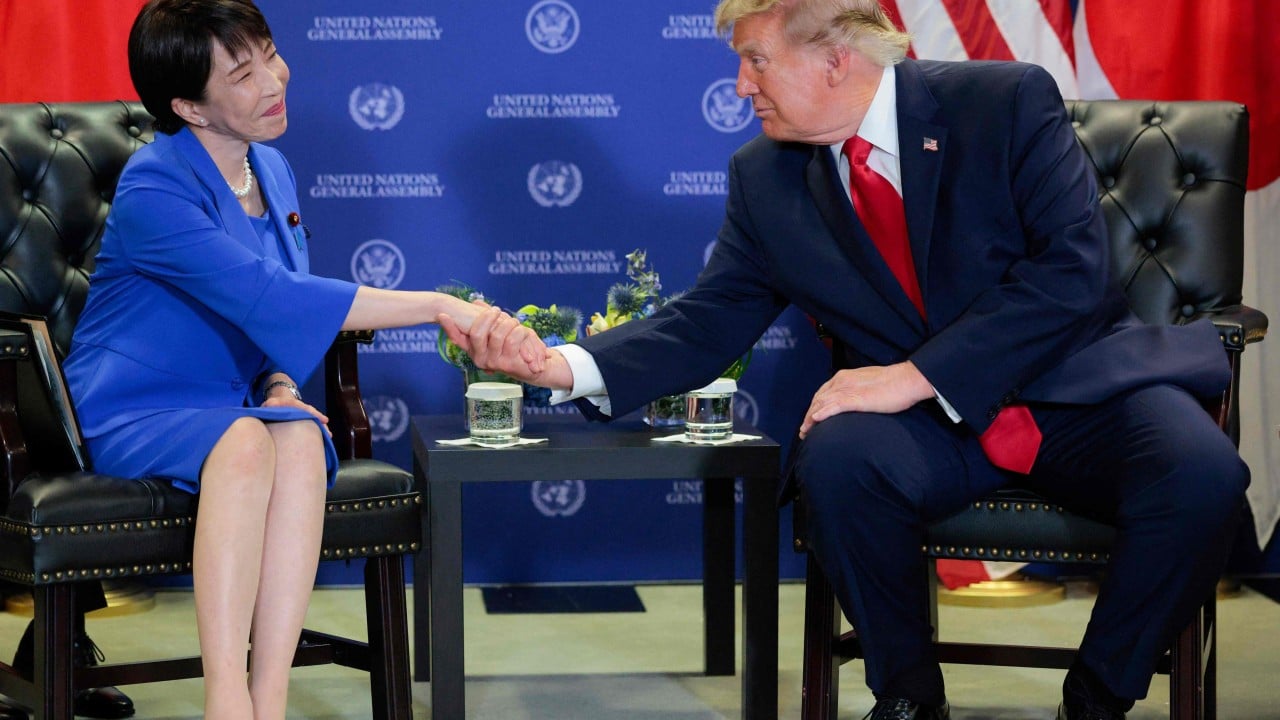
International diplomatic architecture relies on continuous risk assessment and strategic signaling. When political executives exchange public commendations immediately preceding high-stakes adversary summits, the interaction functions less as protocol and more as a calculated calibration of deterrence. The diplomatic engagement between Washington and Tokyo amid impending negotiations with Beijing highlights the structural mechanics of alliance management in contemporary East Asian security.
The Triangulation Variable
Bilateral partnerships within contested regions operate under strict security interdependence. For Tokyo, the core vulnerability stems from asymmetrical economic dependence paired with acute security friction in the maritime domain. Beijing's strategic employment of export controls—specifically regarding critical minerals and dual-use aerospace components—serves as an economic lever designed to penalize Japanese security posture regarding regional stability.
Consequently, Japanese foreign policy must solve a complex optimization problem: maintaining trade functionality with its primary regional market while preventing Washington from adopting a transactional accommodation with Beijing that compromises collective defense architecture. Public praise from the American executive branch functions as a stabilizing counterweight, signaling to external observers that the bilateral security umbrella remains rigid despite shifting great-power dynamics.
The Economic Security Vector
Strategic competition has shifted decisively toward technological supply chains. The convergence of policy priorities between the United States and Japan centers on three structural pillars:
- Artificial intelligence governance and algorithmic security.
- Semiconductor fabrication resilience and intellectual property protection.
- Critical mineral sourcing to bypass state-directed supply monopolies.
When leadership conferences emphasize these parameters, they establish a normative framework designed to outcompete state-capitalist models. Tokyo's alignment with Washington's industrial policy is not merely diplomatic solidarity; it is an economic hedging strategy aimed at insulating domestic manufacturing from sudden resource withholding.
Strategic Signaling and Deterrence Failure Margins
The primary risk in great-power triangulation is miscalculation. If Tokyo perceives Washington as strategically non-committal or overly accommodating during direct talks with Beijing, Japanese defense planners face an immediate deterrence deficit. To mitigate this risk, bilateral coordination requires high-frequency communication loops—demonstrated by rapid post-summit briefings and synchronized public postures.
The strategic imperative for the alliance moving forward involves codifying these economic and security dependencies into binding multilateral frameworks, reducing vulnerability to unilateral political shifts in either capital. The measure of success will not be found in diplomatic rhetoric, but in the institutionalization of supply chain redundancy and joint defense operability.