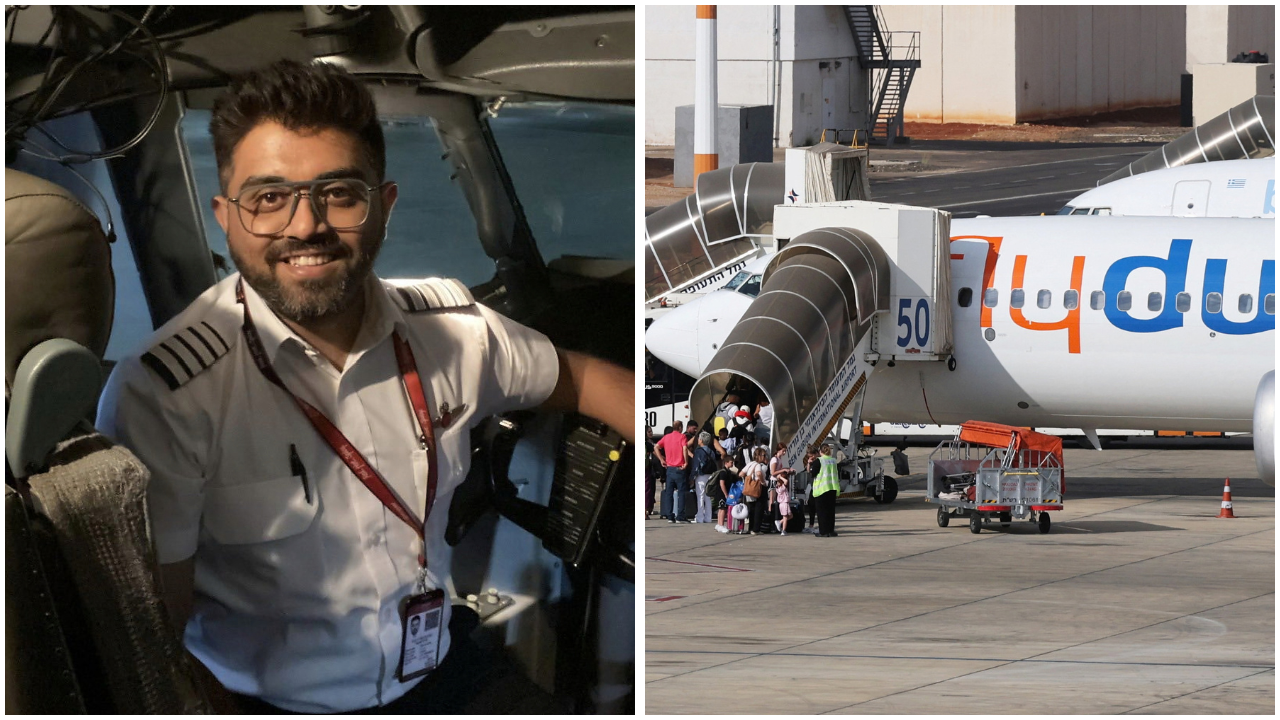
In aviation circles, security protocols are born from tragedy. Every hardened cockpit door, every rigorous psychological screening, and every background check exists because someone bypassed the system before. When an extraordinary cockpit altercation involving a flydubai co-pilot and an Indian captain made international headlines, the initial shock quickly morphed into a deeper intelligence puzzle. Statements linking the suspect to foreign state actors thrust regional rivalries straight into the commercial aviation sector.
Unraveling how a commercial airline flight descends into geopolitical theater requires peeling back layers of aviation security, state-sponsored intelligence operations, and crew vetting procedures. Commercial aviation has long been viewed by security analysts as a high-value asymmetric target. When a pilot or first officer—someone trusted with the lives of hundreds of passengers and a multimillion-dollar aircraft—becomes a security vector, existing safeguards face an unprecedented stress test. Recently making headlines in this space: Why Santa Monicas Beach Replenishment is an Expensive Illusion.
The Anatomy of Cockpit Vetting Vulnerabilities
Modern commercial aviation relies on a foundational assumption of trust. Pilots undergo extensive training, medical evaluations, and initial background checks. Yet, cross-border intelligence operations operate on an entirely different plane of reality. State intelligence services target individuals experiencing financial distress, ideological radicalization, or personal vulnerabilities.
Commercial carriers operating out of major Middle Eastern transit hubs manage massive, multinational workforces. Pilots come from dozens of nations, holding varied allegiances and operating under disparate domestic intelligence monitoring standards. When regional tensions spike between nations like India, the United Arab Emirates, and Iran, the human element inside the flight deck transforms into a potential friction point. Further insights into this topic are explored by TIME.
Intelligence agencies do not always recruit sleepers years in advance. Coercion, leverage, and sudden financial inducement can turn a compliant employee into an operative within weeks. The flydubai incident forced aviation authorities to re-examine whether routine background checks adequately capture shifting loyalties or radicalization patterns occurring outside the workplace.
Assessing State-Sponsored Infiltration Claims
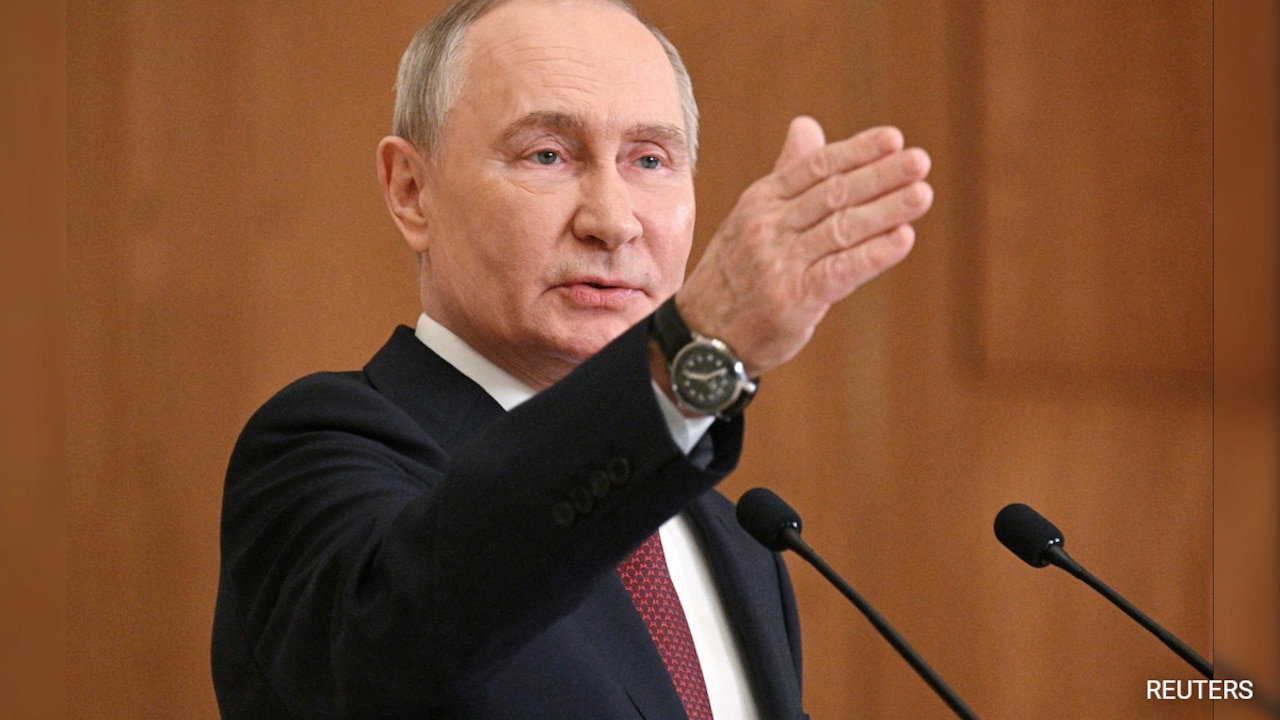
Attributing a criminal or violent act in a cockpit to a foreign government requires wading through a swamp of political posturing and genuine counter-intelligence findings. When high-ranking political figures float connections to foreign states like Iran, the claims demand rigorous scrutiny. State actors possess robust cyber and human intelligence networks capable of cultivating assets across global supply chains and transportation hubs.
However, distinguishing between lone-wolf radicalization, acute mental health crises, and state-directed sabotage remains exceptionally difficult. Flight deck environments are high-stress workplaces. Fatigue, isolation, and intense operational pressures can precipitate psychological breaks. When political rhetoric intersects with a violent workplace incident, intelligence agencies often rush to find a broader conspiracy, sometimes conflating isolated criminal behavior with geopolitical warfare.
Security analysts must look at the mechanics of the alleged link. Did the co-pilot receive direct tasking? Were encrypted communications traced back to foreign handlers? Or does the assertion stem from broader anxieties regarding regional proxy conflicts spilling over into civilian infrastructure? Without concrete forensic evidence of state direction, labeling an onboard assault as an act of state-sponsored aggression risks weaponizing a tragedy for diplomatic leverage.
The Blind Spots in Global Aviation Security
Commercial aviation security historically focuses on external threats. Metal detectors, baggage screeners, and intelligence watchlists are engineered to keep weapons and unauthorized actors off the aircraft. The internal threat—the insider who already holds security clearance and authorized access to the flight deck—remains aviation security's most stubborn blind spot.
Airlines operate in a hyper-competitive global market where profit margins are razor-thin. Comprehensive psychological monitoring, continuous behavioral surveillance, and deep-dive financial audits for every pilot on the roster represent massive operational costs. Consequently, carriers rely on baseline compliance rather than proactive counter-intelligence postures.
Furthermore, data-sharing protocols between international intelligence agencies and commercial airlines are notoriously fractured. A pilot flagged by one nation's security apparatus may easily secure employment with a carrier based in a different jurisdiction due to privacy laws, lack of centralized databases, or bureaucratic inertia. This regulatory patchwork creates safe havens for individuals whose behavioral red flags might otherwise preclude them from commanding an aircraft.
Reforming the Flight Deck
Preventing future incidents requires a fundamental shift in how the aviation industry approaches pilot welfare and insider threats. Confidential mental health reporting must be decoupled from immediate license revocation. When pilots fear that admitting to stress, depression, or external coercion will cost them their careers, they hide their struggles, driving them further underground where bad actors can exploit them.
Airlines must also adopt advanced behavioral threat assessment models already utilized in high-security government sectors. Monitoring lifestyle changes, sudden wealth, and erratic behavioral shifts can provide early warnings before a crisis manifests at thirty thousand feet.
The intersection of commercial aviation and geopolitical conflict is a dangerous frontier. As long as state actors seek asymmetric ways to project power, the flight deck will remain a tempting chessboard. Securing that space demands moving past reactive political commentary and confronting the systemic vulnerabilities hiding in plain sight.