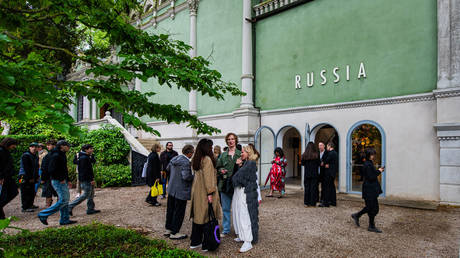
The European Commission is quietly weighing a drastic financial ultimatum that could fundamentally reshape the international art world. Bureaucrats in Brussels are reviewing the European Union's structural funding for the Venice Biennale following backroom diplomatic maneuvers aimed at reinstating Russia’s official pavilion. While the Biennale has long claimed to transcend global conflict, the EU's escalating pressure signals that cultural neutrality is no longer an option in Western Europe. This represents a massive shift in how international cultural diplomacy operates, threatening millions of euros in heritage and modernization grants.
For decades, the Venice Biennale has operated as the Olympics of the art world, a collection of national pavilions where sovereign states project soft power. However, the decision regarding Russia’s potential return has transformed a cultural showcase into a diplomatic battleground.
The Money Behind the Ultimatum
The European Union does not directly fund the operating budget of the Venice Biennale, but its financial fingerprints are everywhere. Brussels funnels money through regional development funds, cross-border cultural initiatives, and the Creative Europe program. These funds keep the city's crumbling infrastructure intact during the massive influx of international tourists.
Removing this support would cripple the event's long-term planning. It would force the local government and the Biennale board to rely entirely on private collectors, corporate oligarchs, and high-fashion sponsors. This privatized model is precisely what the European Commission wants to avoid, yet their threat to pull the plug risks forcing the Biennale into the hands of billionaires who care little for European unity.
The Mechanism of EU Leverages
European funding operates like a series of interlocking gears. If the Commission decides to penalize Italy for allowing a Russian delegation to return, it will likely target the specific structural funds allocated to the Veneto region for cultural heritage preservation.
- Regional Development Funds: Millions earmarked for the restoration of the Arsenale's historic shipyards.
- Creative Europe Grants: Direct subsidies for independent artists and collateral events that populate the city outside the main Giardini.
- Tourism Infrastructure Subsidies: Digital and physical transit upgrades that handle the logistical nightmare of the opening week.
The Myth of Artistic Neutrality
Biennale officials frequently argue that art should remain a sanctuary from geopolitics. They assert that the national pavilions belong to the artists, not the regimes currently occupying the capitals. This argument is historically illiterate.
The Giardini was built on the foundation of national identity. Throughout the twentieth century, the festival mirrored global conflicts, banning countries during wars and welcoming them back when regimes changed. To pretend that a Russian pavilion can exist independently of the Kremlin's propaganda apparatus ignores how autocratic states use cultural prestige to legitimize themselves abroad.
+--------------------------------------------------------+
|             THE VENICE BIENNALE FUNDING SPLIT          |
+--------------------------------------------------------+
| [██████████████] Public Subsidies & Regional Grants   |
| [████████████] Private Patrons & Corporate Sponsors  |
| [█████████] Ticket Sales & Merchandise                 |
+--------------------------------------------------------+
Italy Caught in the Middle
Rome finds itself in a deeply uncomfortable position. The Italian government wants to maintain its standing as a core EU member, but it also fiercely guards its sovereignty over its most prestigious cultural institution. Local Venetian authorities are terrified of the economic fallout. A defunded or diminished Biennale would decimate the local hospitality industry, which relies on the six-month exhibition to sustain thousands of jobs.
The internal politics of the Biennale board are equally fraught. Appointed officials must balance the artistic integrity of the curators against the fiscal reality of running a massive international operation. If Brussels blinks, it exposes the EU as toothless in the face of cultural defiance. If Venice blinks, it sets a precedent that the European Commission can dictate the guest list of any cultural event on the continent.
The Precedent for Institutional Boycotts
We have seen this script play out before in sports and classical music. The International Olympic Committee and major European opera houses spent months trying to find a middle ground for Russian performers, only to realize that a compromise satisfied no one. Neutral flags and unsigned declarations of peace were viewed as cowardice by critics and treason by the Kremlin. The Venice Biennale’s leadership is trying to invent a third option that simply does not exist in the current political climate.
The Cost of Compliance
If the Biennale caves to Western diplomatic pressure and permanently bans Russia, it faces a different kind of existential crisis. The event’s claim to be a truly global survey of contemporary art begins to erode. It risks becoming an exclusive club for Western-aligned nations, alienating the Global South, where many countries view the European stance as hypocritical when compared to other ongoing global conflicts.
"The moment an international exhibition filters its participants through the lens of regional security policy, it ceases to be a global forum and becomes an instrument of statecraft."
This reality leaves the festival's organizers with few good options. They can accept the loss of EU funding and seek alternative financing from private entities, or they can comply with Brussels and alienate a significant portion of the international art community. Neither choice guarantees the long-term survival of the festival's prestige.
The Mechanics of a Financial Withdrawal
The actual process of defunding an institution as large as the Biennale involves bureaucratic maneuvering that takes months, if not years, to execute. The European Commission cannot simply freeze a bank account overnight. Instead, it involves auditing existing grants, challenging compliance clauses regarding human rights and European values, and slow-walking approval for future funding cycles.
This slow economic strangulation is designed to force a capitulation before the actual financial damage hits the ledger. It puts the pressure on Italy's ministry of culture to intervene directly, shifting the blame from Brussels to Rome. The coming months will reveal whether the Italian government has the stomach for a prolonged financial standoff over an art exhibition, or if the economic reality of maintaining Venice's cultural dominance will force a quiet, bureaucratic surrender. The lines have been drawn, and the price of entry into the European cultural space has just skyrocketed.