Taiwanese President Lai Ching-te escalated cross-strait tensions not with a military procurement or a declaration of sovereignty, but by crouching before a bronze statue in the southern city of Tainan.
By layout out a wreath and declaring that Japanese colonial engineer Yoichi Hatta was like "family," Lai directly challenged Beijing's foundational historical narrative. Beijing's immediate, vitriolic outrage—funneled through state media and military mouthpieces—exposes how historical memory has been weaponized as a proxy for modern sovereignty. While China views the tribute as a treasonous glorification of colonial subjugation, Taiwan uses Hatta’s legacy to construct a distinct national identity that bypasses Beijing entirely. For another perspective, see: this related article.
The dispute at the Wushantou Reservoir is not a simple disagreement over a twentieth-century irrigation project. It is a highly calculated diplomatic chess move.
The Infrastructure of Identity
To understand the fury, one must understand Yoichi Hatta. Between 1920 and 1930, the Japanese hydraulic engineer designed and oversaw the construction of the Wushantou Reservoir and the Chianan Irrigation Canal. The massive undertaking transformed the parched plains of southwestern Taiwan into a highly productive agricultural hub. Similar insight on the subject has been published by USA Today.
For decades following the end of World War II, Hatta’s legacy remained relatively uncontroversial, quietly acknowledged by both major political factions in Taiwan for its engineering merit. The shift occurred when the Democratic Progressive Party pushed for a policy of cultural independence.
By elevating Hatta, Taiwanese leadership highlights a historical trajectory where modernization arrived via Tokyo rather than Beijing. Lai’s choice of words during the memorial service was deliberately pointed. He invoked a traditional Chinese idiom, urging the public to remember the source when drinking water, but directed that gratitude toward Japan.
Beijing views this inversion of history as a direct threat. In the eyes of the Chinese Communist Party, any narrative that frames the Japanese colonial era as beneficial is an attempt to whitewash imperial atrocities. State media outlets quickly condemned the act, describing the president’s physical gesture of crouching to lay flowers as a form of subservience to past invaders.
The War for Historical Legitimacy
The conflict highlights a fundamental divergence in how history is utilized across the Taiwan Strait.
For China, the century of humiliation at the hands of foreign imperial powers, particularly Japan, is the emotional bedrock of modern nationalism. The ruling party derives a significant portion of its legitimacy from having ended that exploitation. Consequently, when a Taiwanese leader honors a colonial civil servant, Beijing interprets it as an existential rejection of Chinese identity.
Historical Perspectives on Japanese Colonial Infrastructure
┌─────────────────────────────────┬─────────────────────────────────┐
│ Taiwan's Localist Narrative     │ Beijing's Nationalist Narrative │
├─────────────────────────────────┼─────────────────────────────────┤
│ • Foundation of modernization    │ • Tool for economic extraction  │
│ • Distinct non-PRC history      │ • Erasure of Chinese identity   │
│ • Forging democratic alliances  │ • Historical revisionism        │
└─────────────────────────────────┴─────────────────────────────────┘
Mainland analysts argue that infrastructure like the Chianan Canal was never a gift. It was a mechanism designed to efficiently drain Taiwan of grain resources to feed the Japanese empire. By focusing exclusively on the technical success of the reservoir, Taiwan’s current administration is accused of practicing selective amnesia regarding the forced labor and cultural assimilation that accompanied the colonial apparatus.
Yet Taiwan’s perspective is rooted in a desire to document its own past without Beijing's editorial oversight. For the localist movement, acknowledging Hatta is a way to say that Taiwan’s path to the modern world was distinct, complex, and entirely separate from the history of the People's Republic of China.
Geopolitics by Other Means
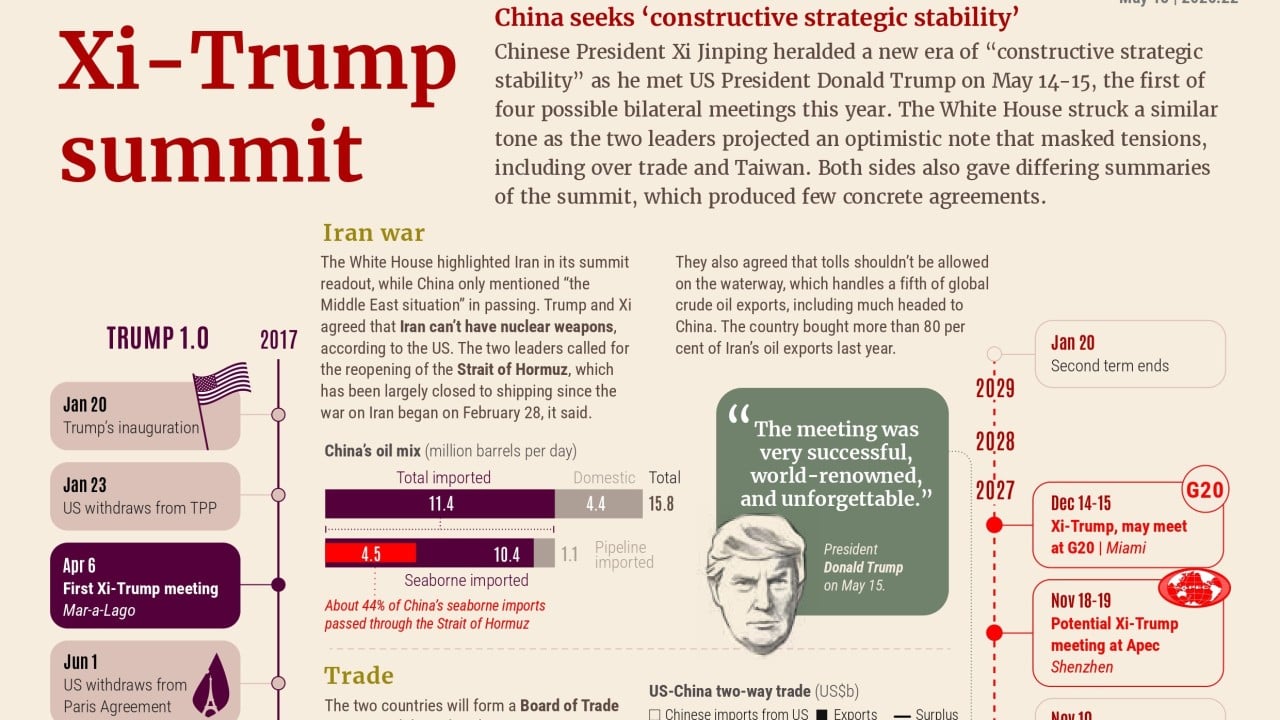
The timing of this symbolic flare-up elevates it above standard political theater. The memorial occurred on the eve of high-level diplomatic engagements between global superpowers, including a highly anticipated summit between Washington and Beijing.
By reinforcing emotional and historical ties with Japan, Taiwan is signaling its alignment with the democratic island chain network. Tokyo has grown increasingly vocal about its security interests in the Taiwan Strait, with successive leaders emphasizing that a crisis for Taipei is a crisis for Japan.
Lai’s public displays of gratitude, which included explicit nods to past and present Japanese political leaders, serve to tighten this informal alliance. It reassures Tokyo that Taiwan remains a culturally receptive and reliable partner in an increasingly volatile region.
The strategy is not without domestic risk. Within Taiwan, opposition factions view these overtures as unnecessarily provocative. Critics argue that leaning too heavily into colonial nostalgia alienation segments of the population who remember the harsher realities of Japanese rule. It creates a domestic vulnerability that opposition parties are eager to exploit, framing the current administration as reckless.
The Indivisible Past
Symbols in East Asia carry the weight of standing armies. A bronze statue of an engineer holding a wrench can provoke a diplomatic crisis just as easily as an altered maritime border.
The battle over Yoichi Hatta’s memory proves that the cross-strait conflict is fought on two fronts simultaneously. One is material, measured in naval transits and semiconductor supply chains. The other is psychological, waged over who gets to define the collective memory of the people living on the island.
As long as Taiwan seeks to project an identity separate from the mainland, it will continue to look to its unique history for anchors. Beijing will continue to view those anchors as acts of defiance. The water flowing from the Wushantou Reservoir remains vital to the fields of Tainan, but the debate surrounding the man who uncorked it continues to poison the political wells of the region.