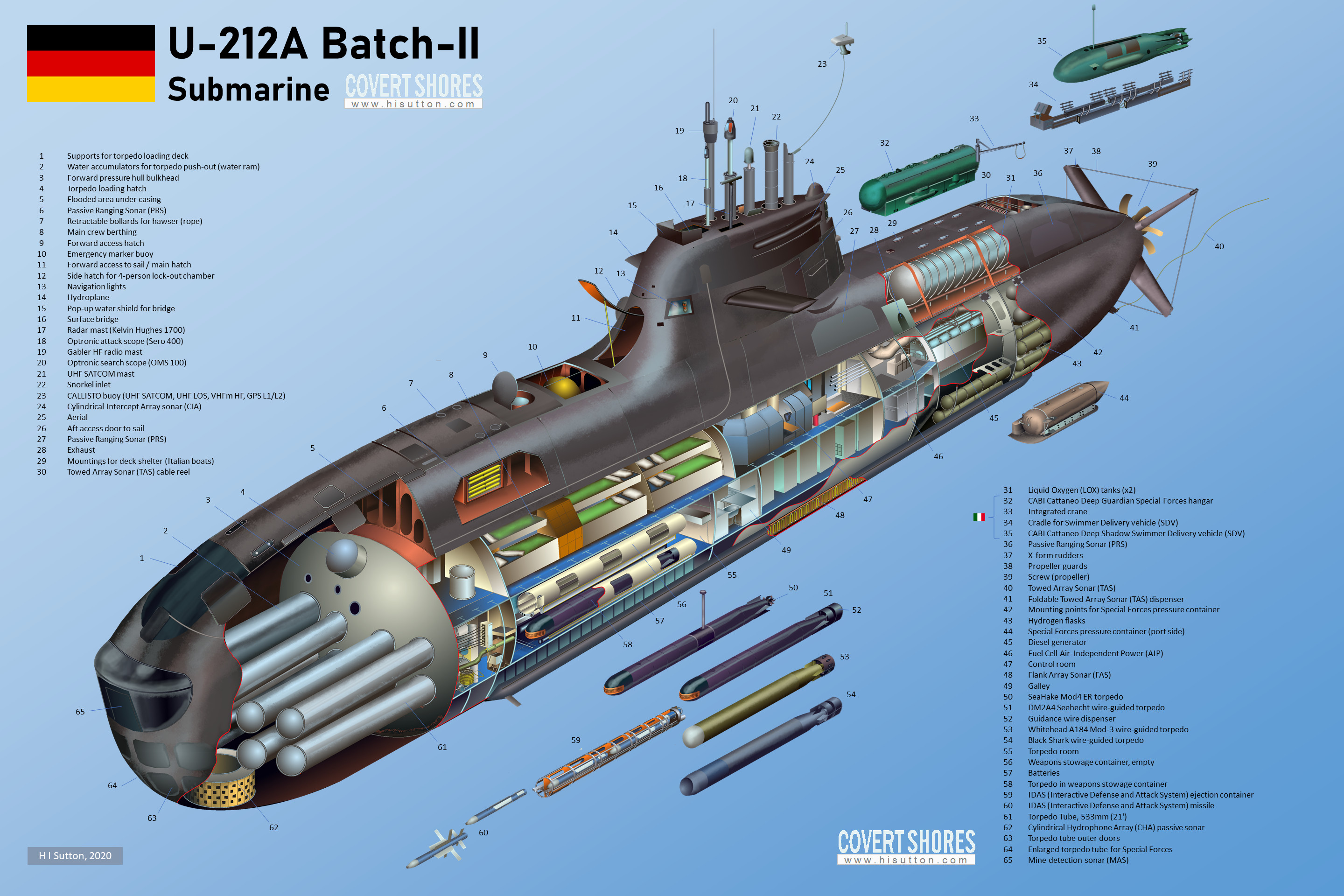
India's quest for a silent, lethal underwater fleet just took a massive leap forward in Kiel. Defense Minister Rajnath Singh didn't just go to Germany for handshakes and photo ops; he went to inspect the hardware that could redefine the Indian Navy’s reach in the Indian Ocean. Walking through the ThyssenKrupp Marine Systems (TKMS) shipyard, Singh got an up-close look at the Type 212 submarine, a vessel that basically sets the gold standard for non-nuclear stealth.
The timing isn't an accident. India’s existing submarine fleet is aging faster than anyone wants to admit. With Project 75(I) hanging in the balance, this visit was a clear signal that the $10 billion deal for six new conventional submarines is moving from "talk" to "action." We're looking at a partnership that isn't just about buying boats, but about building them in Mumbai with technology that’s usually kept under lock and key.
The Secret Sauce of German Stealth
Most people don't realize how loud a standard diesel submarine actually is. When it’s running on its engines to charge batteries, it’s a beacon for enemy sonar. The Type 212 changes that game entirely. It uses a fuel cell-based Air Independent Propulsion (AIP) system. This means the boat can stay submerged for weeks without needing to surface or snorkel for air.
I’ve followed naval tech for years, and what makes the German design stand out is the fuel cell efficiency. Unlike Stirling engines used by other navies, these fuel cells have no moving parts. No moving parts means no vibration. No vibration means no noise. It’s the closest thing to a "black hole" in the ocean that you can get without going nuclear.
During the tour, Singh inspected the specific hull designs that make these boats so hard to track. The Type 212 is built with non-magnetic steel. That's a massive advantage because it makes the submarine invisible to Magnetic Anomaly Detectors (MAD) used by maritime patrol aircraft. It's the kind of high-end engineering that India needs to counter the growing presence of rival fleets in the region.
Moving Beyond a Simple Purchase
The real meat of the Rajnath Singh TKMS shipyard visit is the "Make in India" component. We've seen plenty of "buyer-seller" relationships fail in the past because they didn't include deep technology transfer. This time, the focus is on a strategic partnership between TKMS and Mazagon Dock Shipbuilders Limited (MDL).
The plan is to build a customized hybrid. It won't be a carbon copy of the German Type 212 or the export-spec Type 214. Instead, it’s likely to be a 2,500-tonne beast that blends the Type 212CD (Common Design) with India’s specific requirements for the Indian Ocean’s warm, salty waters.
Why India Needs This Hybrid Now
- Increased Displacement: At 2,500 tonnes, these boats will be significantly larger than the standard German models. That extra space means more fuel, more weapons, and better living conditions for the crew during month-long missions.
- The Lithium-Ion Edge: There's serious talk about integrating lithium-ion batteries alongside the AIP system. This would give the Indian Navy a burst of speed and endurance that traditional lead-acid batteries just can't match.
- Export Rights: This is the kicker. The agreement being discussed includes the right for India to export this specific submarine design to friendly nations. India isn't just looking to be a customer; it's looking to become a regional production hub.
Addressing the Looming Submarine Gap
Let’s be honest about the state of the Indian Navy's underwater wing. It’s shrinking. The old Kilo-class (Sindhughosh-class) boats are reaching the end of their lives. Even with the Kalvari-class (Scorpene) induction, the numbers don't add up for a two-front threat.
While Singh was touring the Kiel facilities, the subtext was urgency. Germany has finally eased up on its strict export controls, making it easier for India to get its hands on the "ORCCA" combat system—a joint TKMS and Kongsberg project that processes insane amounts of sensor data.
This isn't just about buying a hull. It's about buying the brain of the submarine. The ORCCA system allows for better interoperability with NATO standards, which is a subtle but huge win for India’s growing list of joint exercises with Western navies.
The Reality of Defense Diplomacy
Critics often point out that German hardware is expensive. They’re right. But in the world of submarine warfare, cheap usually means loud, and loud means dead. Rajnath Singh’s visit to Germany is a recognition that the Indian Navy needs a premium product to maintain its edge.
The defense industrial roadmap being signed during this trip covers more than just submarines. We're talking about drones, AI, and cybersecurity. But let's not kid ourselves—the submarines are the centerpiece. The $10 billion price tag is high, but when you factor in the transfer of technology for the fuel cells, it starts to look like a long-term investment rather than a one-time cost.
Next Practical Steps for the Deal
- Finalize the TKMS-MDL Partnership: The joint venture needs to be set in stone to start the "Make in India" workflow.
- Set the Timeline: The first boat needs to be in the water by the early 2030s to replace the retiring fleet.
- Weapon Integration: India needs to ensure its indigenous BrahMos or other torpedo systems can be fired from these German-designed tubes without hitches.
The visit to the TKMS shipyard wasn't just a tour; it was a statement of intent. India is done with basic imports and is now moving into the big leagues of naval co-production.


