The air in Rome during a World Cup summer is usually heavy with more than just heat. It vibrates with the collective lungs of sixty million people. But in 2022, the city felt hollow. The piazzas were quiet, the flags remained folded in cedar chests, and the blue jerseys—the famous Azzurri—stayed on their hangers. Italy, the reigning European champions, had failed to qualify. Again.
It is a specific kind of grief. It is the silence of a Sunday afternoon when the television stays dark. But then, a flicker of a rumor began to circulate. It started in the digital undergrowth of social media and eventually climbed its way into the halls of government. The whispers suggested that Italy might not need to earn their way into Qatar through the pitch. They might get in through the back door of international diplomacy.
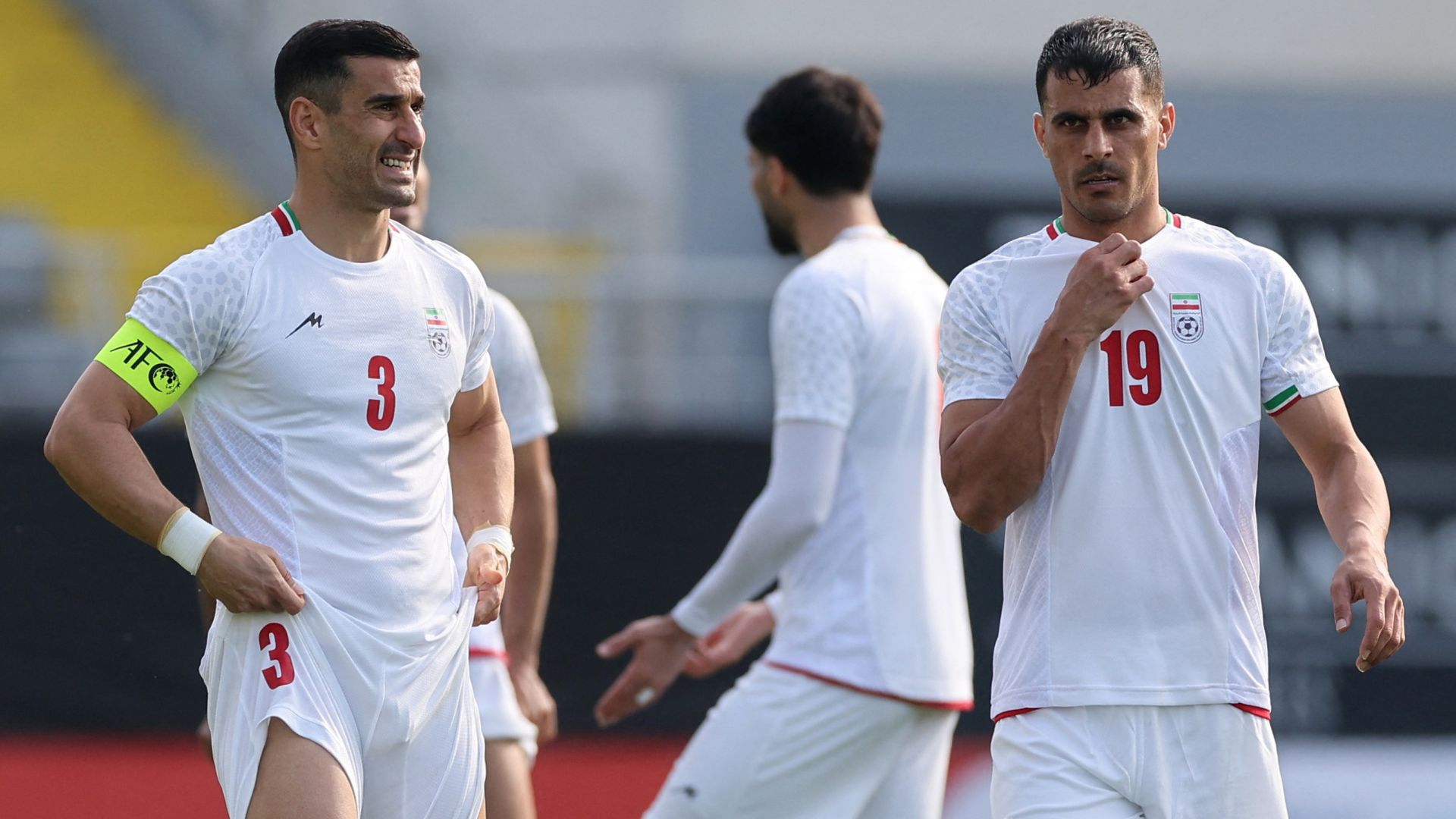
The catalyst was Iran. As domestic unrest and human rights concerns dominated the headlines surrounding the Iranian national team, calls for FIFA to expel them grew louder. If Iran were kicked out, a vacuum would open. And who better to fill a vacuum in the world’s greatest sporting event than the highest-ranked team that didn't make the cut? Italy.
The Anatomy of a False Hope
For a week, the bars in Milan and the cafes in Naples buzzed with a desperate, frantic energy. It was the hope of the condemned. Fans who had spent months cursing the name of Aleksandar Trajkovski—the North Macedonian player whose late goal had shattered Italian dreams—suddenly found themselves refreshing news feeds for updates on FIFA bylaws.
"Imagine the irony," a shopkeeper in Trastevere told me at the time, his hands mid-air as he polished a glass. "To lose on the grass but win in the boardroom. It would be dirty. It would be wrong. But I would buy my plane ticket tonight."
This wasn't just about football. It was about national identity. In Italy, the national team is the only thing that stitches the fractured regions together. When the team fails, the country feels a collective drop in blood pressure. The prospect of a "reprieve" wasn't just a sports story; it was a lifeline for a national ego that had been bruised beyond recognition.
But the reality of international sports governance is rarely as romantic or as simple as a fan’s prayer. While the public hallucinated about a flight to Doha, the people in the suits had to look at the cold, hard ledger of the law.
The Cold Water of Valentina Vezzali
The dream didn't die in a stadium. It died in a press briefing. Valentina Vezzali, then Italy's Undersecretary for Sport and a legendary Olympic fencer who knows a thing or two about the finality of a scoreboard, was the one to pull the curtain.
She didn't use flowery language. She didn't offer a "maybe" to keep the spirits up. She spoke with the clinical precision of a surgeon. The Italian government had looked into the possibility. They had consulted with the powers that be. The answer was a flat, echoing no.
The technicalities were boring, as truth often is. FIFA’s statutes don't have a "next best team" clause that triggers automatically if a nation is expelled for political reasons. If a spot opens up, the replacement is typically chosen from the same confederation. Italy plays in UEFA. Iran plays in the AFC. The math simply didn't work. The geography didn't work. And most importantly, the politics didn't work.
Vezzali’s statement was a bucket of ice water over a feverish nation. She made it clear: Italy would not be at the World Cup. Not through merit, and not through a loophole.
The Weight of the Invisible Stakes
Why did this rumor persist so long? Why did the Italian government even feel the need to address something that seemed, on paper, like a legal impossibility?
Because the stakes of a World Cup are invisible until they are gone. There is a massive economic engine tied to those seven games in June and July. Ad revenue, jersey sales, tourism, and even the general productivity of a workforce are all tethered to the performance of eleven men in blue. When Italy stays home, the economy feels a tremor.
More than the money, there was the moral complexity. The calls to remove Iran weren't based on a lack of talent, but on a plea for human rights. To see Italy—a symbol of Western democracy and footballing heritage—waiting in the wings to take that spot created an uncomfortable narrative. It looked like opportunism masked as justice.
The Italian Football Federation (FIGC) knew this. Their president, Gabriele Gravina, had to walk a razor's edge. To lobby too hard for the spot would make Italy look desperate and predatory. To not lobby at all would look like a betrayal of the fans.
The Lesson in the Silence
There is a dignity in losing that Italy had to relearn.
For decades, the Azzurri were the protagonists of the World Cup story. They were the villains, the heroes, the stylists, and the wall. Being a spectator was a role they didn't know how to play. The "Iran Replacement" saga was the final stage of grief: bargaining.
If we can just find a way. If the rules change. If the world bends in our favor.
But the world didn't bend. The tournament went on. Argentina lifted the trophy in a final that will be whispered about for centuries. Italy watched from the couch. They watched as teams they used to dominate played with the fire that they had lost somewhere between the European Championship and a cold night in Palermo.
The government’s refusal to chase the ghost of a spot was, in hindsight, the first step toward recovery. You cannot rebuild a house while you are still trying to convince yourself the old one hasn't burned down. By admitting there was no path to Qatar, Vezzali and the Italian authorities forced the country to look in the mirror.
They saw a team that had grown old. They saw a system that had failed to produce young strikers. They saw a league that was falling behind.
The Long Walk Back
Football is a game of ghosts. We are haunted by the goals we didn't score and the trophies we didn't lift. For Italy, the 2022 World Cup will always be the tournament that didn't happen, a phantom limb that aches when the weather changes.
The rumors of replacing Iran were a distraction, a beautiful lie that allowed a proud nation to avoid the pain of its own failure for a few more weeks. But lies, no matter how comforting, don't win trophies.
Success is built on the red-hot shame of being left behind. As the lights dimmed in Doha and the world moved on, the Italians were left with nothing but the silence of their own streets. It was a heavy silence, but it was an honest one.
The next time Italy steps onto a World Cup pitch, they will have earned the grass beneath their boots. There will be no fine print. There will be no boardroom deals. There will only be the whistle, the ball, and the long-awaited scream of a nation that finally has its breath back.
Until then, the blue jersey stays in the chest, waiting for a summer that belongs to it once more.