Salt crusts the bridge wing of a double-hulled Suezmax tanker creeping through the southern Red Sea. Midnight. No navigation lights. The Automatic Identification System transponder sits dark, silent, a deliberate ghost whisper in a stretch of water where radar screens bleed terror.
Captain Harris wipes condensation from the wheelhouse glass, squinting into a blackness so absolute it feels physical. He is sixty-four. He has navigated the Hormuz strait during missile crossfire and threaded the Malacca straits past pirate skiffs. Yet nothing in forty years at sea matches the silent dread of Bab el Mandeb today.
Seventy-two miles ahead lies the narrow bottleneck connecting the Indian Ocean to the Mediterranean via the Suez Canal. Twelve miles wide at its skinniest point. And right now, that twelve-mile corridor is a choke point gripping global commerce by the throat.
We talk about crude oil prices in neat financial columns. We debate fractions of a dollar per barrel on Bloomberg terminals in London and New York. But the physical reality of energy transit is far grimmer. It smells of stale coffee, vibrating diesel bulkheads, and raw fear.
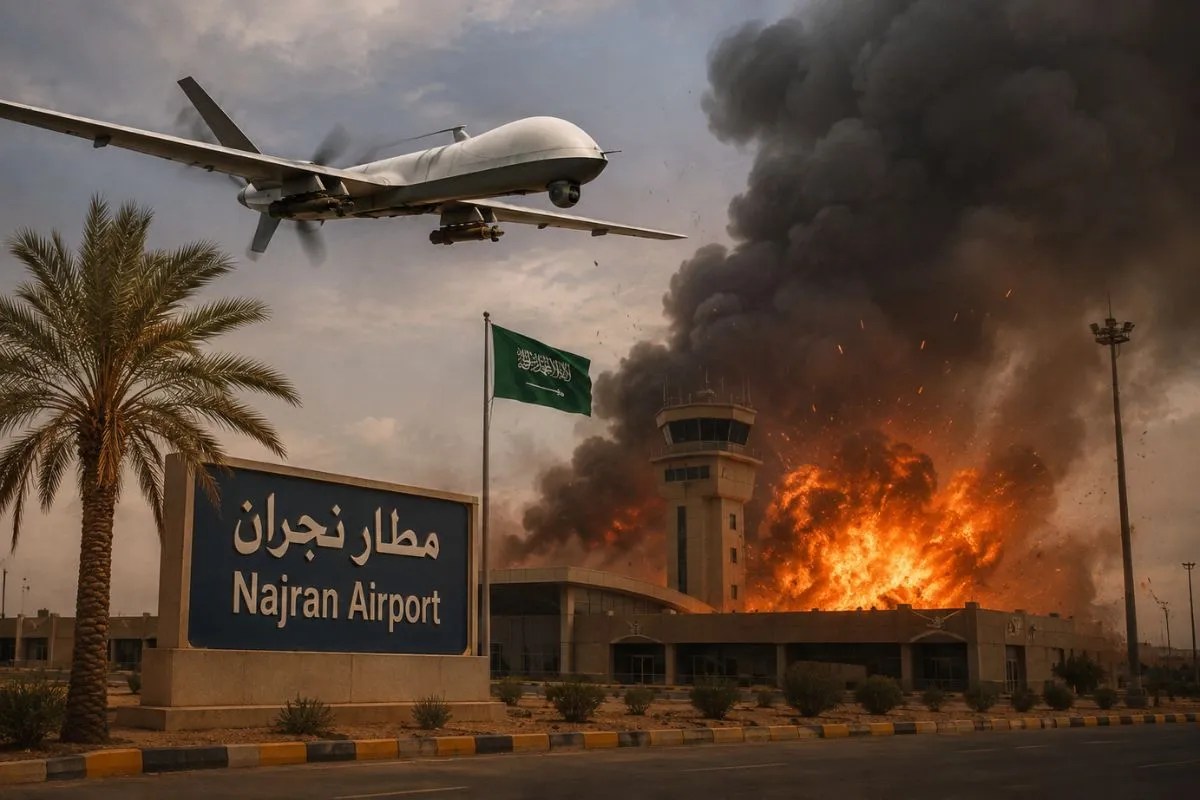
The numbers tell a stark story of escalation. According to maritime tracking data and intelligence assessments from the region, dark tanker transits through the Bab el Mandeb strait have surged dramatically. As Houthi militant attacks persist off the coast of Yemen, shipping operators face an impossible choice. Risk a direct hit from an anti-ship ballistic missile or drone, or burn millions of extra dollars and thousands of extra hours steering clear entirely.
To understand why crude oil markets react with sudden, violent spikes to these maritime bottlenecks, you have to look past the ticker tape. You have to stand where Harris stands.
Consider what happens when a single vessel decides to switch off its tracking equipment. Going dark is not an act of piracy. It is an act of desperate camouflage. By mimicking the electronic footprint of local fishing dhows or simply dropping off commercial radar registers, tankers hope to slip past the horizon unnoticed by spotter drones and coastal radar batteries.
It rarely works completely. Everyone knows they are there. The ocean is too small, the stakes too high, the electronic signature of a two-hundred-thousand-ton moving mountain too heavy to hide entirely from modern military surveillance.
Yet the surge in dark fleets continues to climb. Why? Because the alternative is financial and physical ruin.
Insurance premiums for vessels entering the southern Red Sea skyrocketed past viable thresholds months ago. Underwriters look at the burning hull of a product tanker hit weeks prior—oil spilling black and thick into pristine blue waters—and they draw a hard line. Risk mitigation becomes risk avoidance. Except avoidance means the traditional maritime superhighway, the aquatic shortcut that saves Europe and Asia weeks of transit time, effectively closes.
Ships turn south.
They round the Cape of Good Hope.
Think about that geography for a moment. Instead of slipping up through the Red Sea and into the Suez Canal, a tanker loading crude in the Persian Gulf must now steam all the way around the horn of Africa. That diversion adds roughly ten to fourteen days to a single voyage. It burns hundreds of tons of heavy bunker fuel daily just to fight the rough swells of the southern Atlantic and Indian oceans.
Fuel costs multiply. Charter rates jump. The available global fleet of tankers effectively shrinks because vessels are trapped at sea for weeks longer on every single rotation.
This is the hidden tax on every gallon of gasoline pumped into a car in Rotterdam or Singapore. It is not just about supply meeting demand. It is about the friction of geography weaponized by modern asymmetric warfare.
Down in the engine control room, chief engineer Maya monitors fuel flow with furrowed brows. She is thirty-two, trained in Glasgow, and she knows every mechanical heartbeat of the massive two-stroke diesel engine pushing them forward at an agonizingly slow twelve knots.
"We are burning twenty percent more fuel just keeping speed against these currents," she tells Harris over the internal comms, her voice crackling against static. "If we have to divert around the Cape next run, our bunker reserves are going to look tight."
Harris grunts a reply. He doesn't mention the news he heard on the shortwave radio an hour ago. Another merchant vessel struck off the Hodeidah coast. Smoke on the horizon. Crew evacuated by a passing coalition destroyer.
The war is invisible until it isn't. It lives in the static of a VHF radio channel. It lives in the sudden silence of a crew that used to joke on the mess deck during evening chow, now eating in tense, quiet concentration with life jackets resting on the floor beside their chairs.
Markets hate uncertainty, but they despise physical blockage even more. When the Bab el Mandeb transit route becomes a gauntlet, the global energy supply chain spasms. Crude oil prices react immediately, pricing in the delayed arrivals, the burnt fuel, the bloated freight rates, and the sheer existential dread of maritime logistics under fire.
We forget how fragile our modern comforts are. We flip a light switch, turn an ignition key, heat a home, and assume the invisible conveyor belt of globalization functions like gravity. Eternal. Unyielding.
It is not. It is made of steel hulls, salt-worn decks, and exhausted human beings staring into the dark.
As the tanker clears the narrowest stretch of the strait just before dawn, a pale grey light bleeds over the Arabian Peninsula. The silhouettes of barren Yemeni mountains emerge jagged against the horizon. No smoke today. No sudden flash of light cutting through the twilight.
For now, they made it through.
Harris lets out a slow breath, his fingers finally relaxing their white-knuckled grip on the console. But he knows the return trip looms. The strait remains open only to the brave, the desperate, and the foolish. And out in the dark water behind them, another ghost ship is already switching off its lights, preparing to enter the storm.