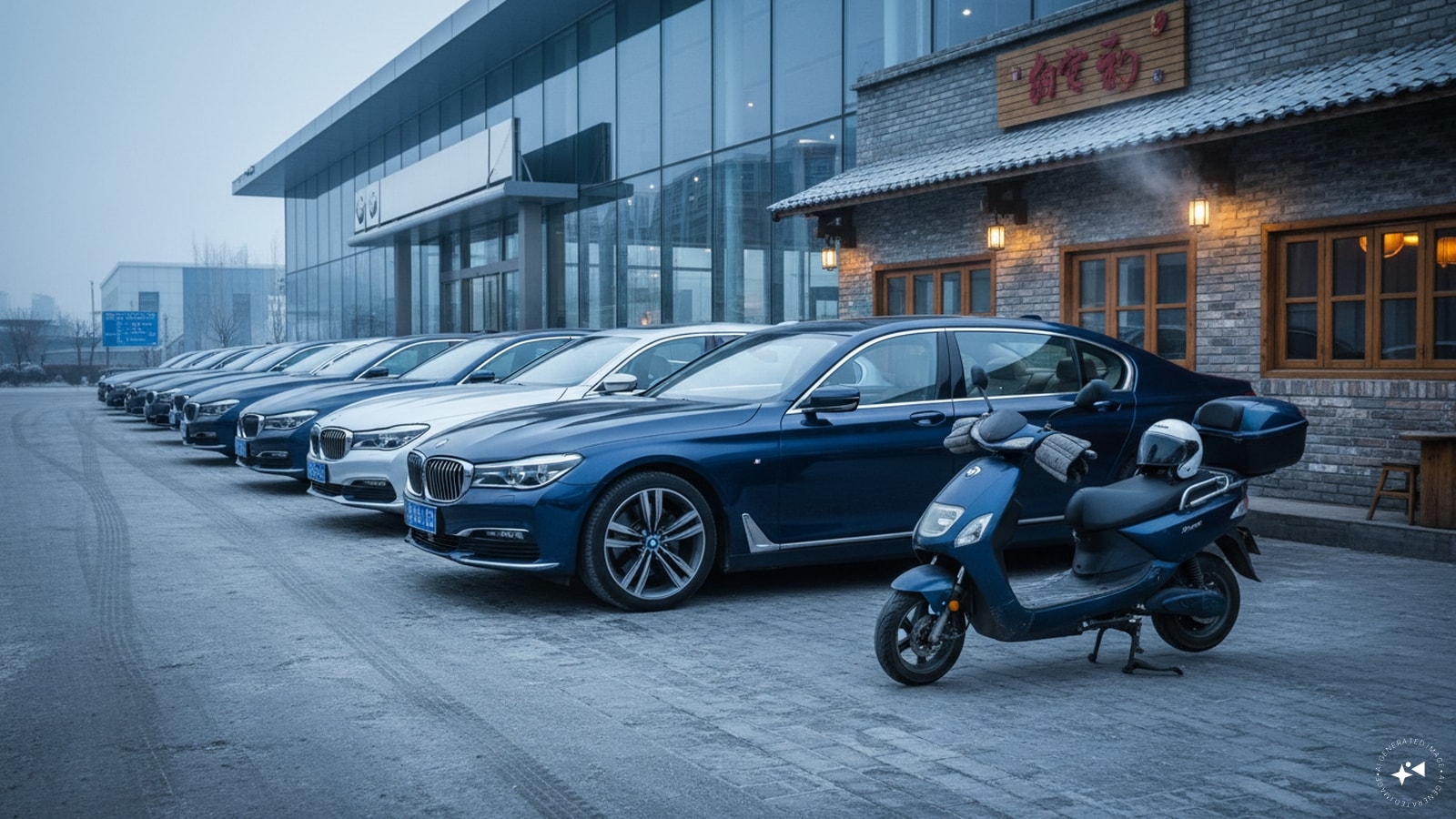
Every business blog on the internet just lost its collective mind over a Chinese restaurant owner who handed out BMWs worth forty-three lakh rupees to her staff. The headlines are dripping with manufactured sentimentality. They call it leadership. They call it generosity. They call it the future of employee retention.
They are dead wrong. For a more detailed analysis into this area, we recommend: this related article.
I have spent two decades watching founders burn capital trying to buy loyalty with shiny toys. I have seen startups hand out equity that evaporated, bonuses that bred resentment, and yes, European luxury sedans to people who needed a reliable retirement account or a functional health plan far more than a depreciating status symbol parked in front of a cramped apartment.
Handing out luxury cars to restaurant workers is not an act of radical empathy. It is a symptom of broken compensation models, profound financial illiteracy, and a desperate bid for viral social media validation disguised as benevolence. For further background on this issue, extensive reporting can also be found on Forbes.
Let us dismantle the feel-good narrative and look at the brutal economic reality of what actually happens when management swaps structural compensation for flashy stunts.
The Depreciation Trap and Asset Misallocation
Let us start with the basic math that every viral media outlet conveniently ignored. A luxury car is not an asset; it is an anchored liability. The moment a BMW rolls off the dealership lot, it sheds twenty percent of its value. Within three years, that forty-three lakh rupee investment has lost half its worth, while incurring staggering maintenance costs, insurance premiums, and fuel expenses that could easily overwhelm a service worker's monthly budget.
Imagine a scenario where an employer hands an hourly wage worker a high-maintenance German machine instead of cold, liquid capital or ownership equity. You have just gifted them a recurring financial obligation. Replacement parts for a luxury vehicle require specialized service centers. Insurance rates scale with the vehicle's market value.
If you want to reward high performance, give people tools that appreciate, liquid cash they can allocate to their own priorities, or stake in the enterprise they are building. Handing someone a depreciating luxury item while keeping their base wages at standard industry rates is an insult wrapped in leather upholstery. It forces employees into a lifestyle creep they did not ask for and cannot sustain if the restaurant suffers a slow quarter.
Why Retention Buys Are Failsafes for Bad Culture
The lazy consensus in modern management is that high turnover can be solved with grand gestures. If retention is cratering, management assumes the fix is a bigger bonus pool, a flashy party, or an extreme viral stunt like buying cars for the floor staff.
This is a fundamental misunderstanding of why people quit.
Top performers do not leave because their boss failed to buy them a luxury sedan. They leave because of erratic scheduling, toxic kitchen dynamics, lack of operational transparency, and stagnant career progression. No amount of German engineering fixes a toxic shift manager or a chaotic back-of-house workflow.
When leaders rely on lottery-style rewards—where a select few get extraordinary prizes based on subjective appreciation—they destroy internal equity. What happens to the dishwasher who worked sixty-hour weeks for a year and got a handshake while a peer got a BMW? You have not built a high-performance culture. You have built a casino. You have pitted your staff against each other in a Hunger Games style contest for the owner's favor.
True retention is boring. It is predictable schedules published three weeks in advance. It is health insurance that covers actual emergencies. It is a clear path from prep cook to general manager with equity sharing. It is treating adult human beings like professionals rather than children waiting for a shiny prize from a benevolent monarch.
The Viral Marketing ROI Hidden Behind Benevolence
Let us look past the altruistic facade for a moment. Why do stories like this go viral? Because the cost of a few luxury vehicles is often vastly lower than the equivalent spend on a traditional global ad campaign.
When a restaurant owner gifts cars on camera, the stunt triggers global news cycles, TikTok shares, and free PR worth millions. The real beneficiary of the transaction is not the overworked line cook who now has to pay luxury vehicle taxes; it is the brand's top-of-funnel marketing engine.
Disguising a calculated customer acquisition and public relations strategy as pure philanthropy is manipulative. If the primary motivation were employee welfare, the funds would have been distributed across the entire payroll to lift baseline wages, secure robust pensions, or establish emergency hardship funds. Instead, management chose the option that generates the most camera flashes and social media impressions.
We need to stop applauding paternalistic capitalism just because the execution involves a bow on a hood.
What You Should Do Instead
If you run a business and want to inspire loyalty, stop looking for viral shortcuts.
First, audit your baseline compensation. If your staff cannot afford local housing without relying on unpredictable tips, a luxury car is a cruel joke. Fix the floor before you build the penthouse.
Second, align rewards with ownership. Give employees a direct percentage of profit growth they actually generate. When the restaurant wins, everyone's bank account grows proportionately, allowing them to buy whatever car, house, or asset they actually want and can afford to maintain.
Third, institutionalize fairness. Remove subjectivity from performance rewards. People respect transparent metrics far more than arbitrary royal decrees from the owner's office.
Stop trying to buy affection. Build a machine that respects people's time, protects their financial health, and pays them what they are worth in cash they can actually spend.