Panic spreads faster than any virus. When news broke that a patient was undergoing tests for suspected Ebola at the Queen Elizabeth University Hospital in Glasgow, the internet did exactly what you would expect. Social media lit up with worst-case scenarios.
The good news arrived quickly. The patient tested negative.
There is no Ebola outbreak in Scotland. But while most people breathe a sigh of relief and move on, we need to talk about what actually happened behind those hospital doors. This was not a system failure. It was a textbook example of high-consequence infectious disease protocols working exactly as designed.
The Reality of the Glasgow Ebola Alert
A patient who had recently traveled to an area with an active Ebola virus transmission presented with symptoms that flagged them for testing. NHS Greater Glasgow and Clyde handled the situation by immediately isolating the individual in a specialist unit.
They did not wait for confirmation. They acted on suspicion.
That is the core of modern biosecurity. In medicine, we have a saying that you prepare for the worst while hoping for the best. When someone shows up with a fever and a travel history matching an endemic zone, you do not sit around debating probabilities. You trigger the containment protocol.
The Queen Elizabeth University Hospital houses some of the most advanced infectious disease infrastructure in the UK. They used negative-pressure isolation rooms. These spaces ensure that air flows into the room but cannot escape into the main hospital corridors without passing through heavy-duty HEPA filters.
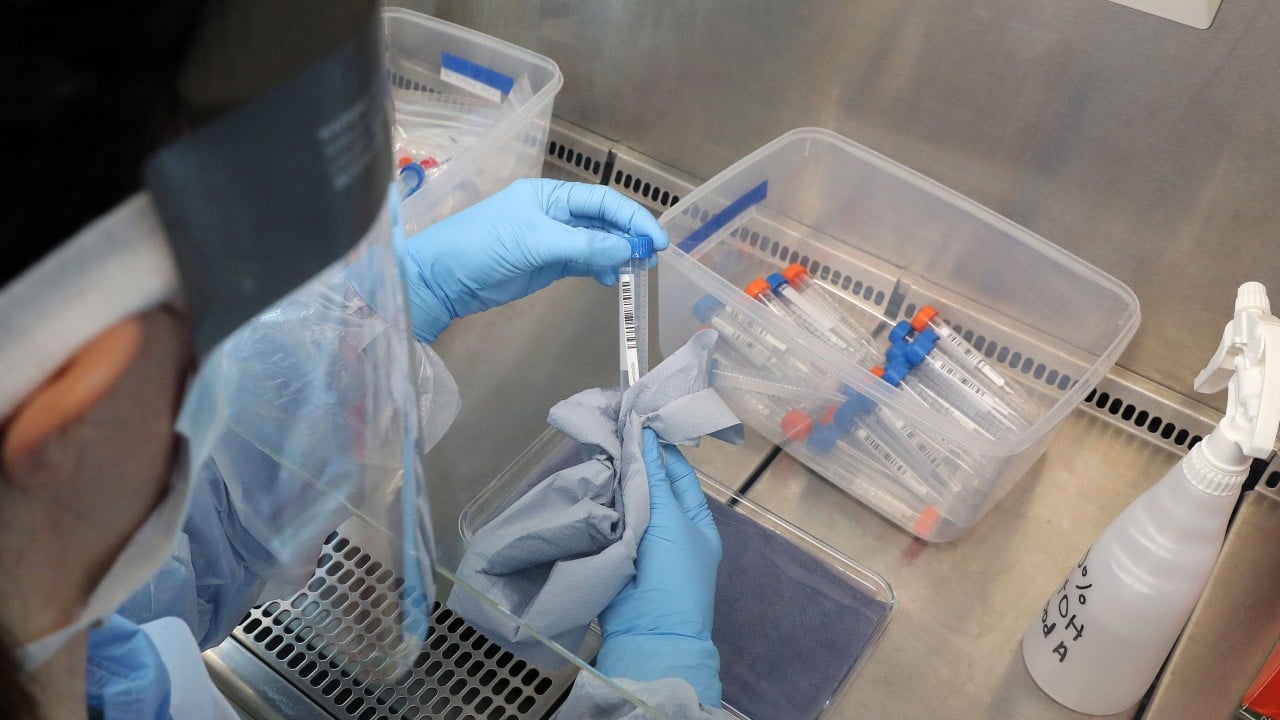
Staff wore full personal protective equipment. They followed strict donning and doffing routines where a single mistake can mean exposure.
The blood samples went straight to specialized laboratories under secure transport conditions. Within hours, the PCR tests came back negative. The scare was over.
Why False Alarms Are Necessary for Public Safety
Many people see a negative test result after a major hospital lockdown and think the medical community overreacted. That perspective is dangerous.
False alarms are the price we pay for keeping deadly pathogens contained. If a hospital only triggers isolation protocols when they are 100% certain of a diagnosis, they have already lost the battle. By that time, the patient has sat in a crowded waiting room, coughed on triage nurses, and touched a dozen door handles.
Consider the alternative. In 2014, Thomas Eric Duncan arrived at a hospital in Dallas, Texas, having recently traveled from Liberia. He had a fever and spikes in pain. Due to a communication breakdown, the hospital sent him home with antibiotics. He returned days later much sicker, infecting two intensive care nurses before succumbing to the virus.
Glasgow learned from global history. The quick isolation of the patient shows that the lessons of past outbreaks are deeply embedded in NHS training.
Recognizing Real Ebola Symptoms Versus Everyday Bugs
Ebola virus disease is terrifying because of its high mortality rate, which can range from 25% to 90% depending on the strain and the speed of medical intervention. However, the early stages of the disease look remarkably like a standard case of the flu or a bad stomach bug.
The incubation period lasts anywhere from 2 to 21 days. A person is not contagious until they develop symptoms. When those symptoms start, they hit fast:
- Sudden, intense fever
- Severe muscle aches and joint pain
- Sore throat and debilitating weakness
- Progressive vomiting and diarrhea
As the virus replicates, it damages the circulatory system and internal organs. The hallmark sign people fear—internal and external bleeding—actually occurs in less than half of infected patients. Most die from severe dehydration and multi-organ failure caused by fluid loss.
Because the early signs are so non-specific, travel history is the single most critical factor for triage nurses. If you have a high fever but haven't left the UK, you don't have Ebola. If you just stepped off a flight from a region experiencing an active outbreak, the math changes instantly.
What Happens Behind the Scenes During a Containment Alert
The moment a potential case is flagged, a chain reaction occurs across multiple government and healthcare agencies.
First, the local health board notifies Public Health Scotland and the UK Health Security Agency. Local hospital management restricts access to the infectious disease ward. Non-essential staff are cleared from the area, and security personnel secure the perimeter to prevent unauthorized entry or exit.
Specialist clinicians consult with the Imported Disease Screening and Triage Service. Testing is handled using rapid molecular diagnostics that look for the genetic material of the virus.
While the lab works, epidemiologists begin preliminary contact tracing. They map out exactly who the patient interacted with from the moment they landed in the country. They contact airlines, transport workers, and family members.
If the test returns positive, the patient is moved. The UK uses designated High Level Isolation Units, primarily located at the Royal Free Hospital in London. These units feature Trexler isolators—specialized clear plastic tents with built-in gloved sleeves that allow doctors to treat patients without ever making direct physical contact.
How to Protect Yourself and Filter the Noise
When a medical alert hits the headlines, accurate information is your best defense against anxiety.
First, stop getting your public health updates from social media algorithms designed to maximize outrage and fear. Turn instead to official, verified dashboards provided by Public Health Scotland or the World Health Organization. These bodies report verified laboratory data, not speculation.
Second, understand how transmission works. Ebola is not influenza or COVID-19. It does not spread through tiny droplets hanging in the air when someone sneezes across a room. You can only contract it through direct contact with the bodily fluids of a person who is actively sick or has died from the disease.
If you are traveling internationally, always check the current travel advisories for your destination. Maintain strict hand hygiene, avoid wildlife contact in areas known to harbor zoonotic viruses, and ensure your routine vaccinations are entirely up to date before setting foot on an airplane.
The Glasgow alert proved that the protective barrier holding back highly infectious diseases is resilient. The system spotted a risk, isolated it, analyzed it, and cleared it without a single drop of transmission. Trust the process, ignore the sensationalized headlines, and let the medical networks do their jobs.