The floorboards of Elstree Studios do not forget. If you stand under the rigorous, unforgiving grid of the television lighting rig when the studio is empty, you can almost hear the faint, rhythmic scraping of fake tan, sweat, and sequins being dragged across polished wood. For two decades, British autumns have been anchored by a singular, glittering ritual. It is a machine powered by sequins, yes, but fueled entirely by human vulnerability.
When the BBC recently confirmed the new hosting lineup for Strictly Come Dancing, the announcement arrived via the usual corporate pipelines. It was a neat press release. It listed names. It detailed contract renewals. It gave the public the "who" and the "when" with the clinical precision of a train timetable.
But a television show is not a train. It is a psychological tightrope walk.
To understand why a change in the cockpit of Strictly matters, you have to understand what happens to a person when they agree to step onto that floor. Picture a standard living room on a damp November Saturday. The radiators are clicking. The tea is getting cold. For the viewer, the show is comfort food. For the celebrity standing under the hot lights, however, it is an existential crucible. They are stripped of their usual armor—their scripts, their pop-star staging, their political personas—and forced to master the American Smooth in front of twelve million amateur critics.
They are terrified. They always are. And that is where the hosts come in.
The Architecture of Sanctuary
We often treat television presenters as beautiful ornaments, professional smilers who read scrolling text from a glass screen without tripping over their words. It is a massive understatement of the craft. In a live broadcast environment, a great host is not a decorator; they are a structural engineer.
Consider the mechanics of the ballroom. A retired sportsman has just spent ninety seconds forgetting his choreography, tripping over his partner’s hem, and receiving a verbal flaying from a panel of judges paid to be theatrical in their cruelty. The music stops. The adrenaline drops like a stone. The celebrity is exposed, sweating through a sheer shirt, fighting back tears on national television.
At that precise moment, the camera cuts to the hosts.
The entire weight of the production shifts onto their shoulders. If the presenter registers even a flicker of genuine pity, the illusion breaks, and the show descends into public humiliation. If they are too cold, the audience revolts. The host must step into the wreckage of that performance and instantly build a bridge of safety. It requires an almost supernatural level of empathy, masked by a quick quip and a steady hand on an elbow.
This is the invisible stakes of the BBC’s hosting confirmation. It is not about who looks good in an evening gown or a tailored tuxedo. It is a question of custody. Who can be trusted with the fragile egos of Britain’s public figures when they are at their absolute lowest?
The Ghost of Saturday Past
Every modern presenter on that stage works in the long, elegant shadow of Sir Bruce Forsyth. He was the foundational myth of the program. Bruce understood something fundamental about the British psyche: we do not actually want perfection. We want the struggle, and we want the reassurance that everything will be alright in the end.
His style was born in the rough-and-tumble era of variety theater, where if an act failed, you didn't look away—you leaned into the mistake. When a celebrity fumbled a routine, Bruce didn't ignore it. He turned the blunder into a shared joke between the dancer, the studio audience, and the millions watching at home. He made the error safe.
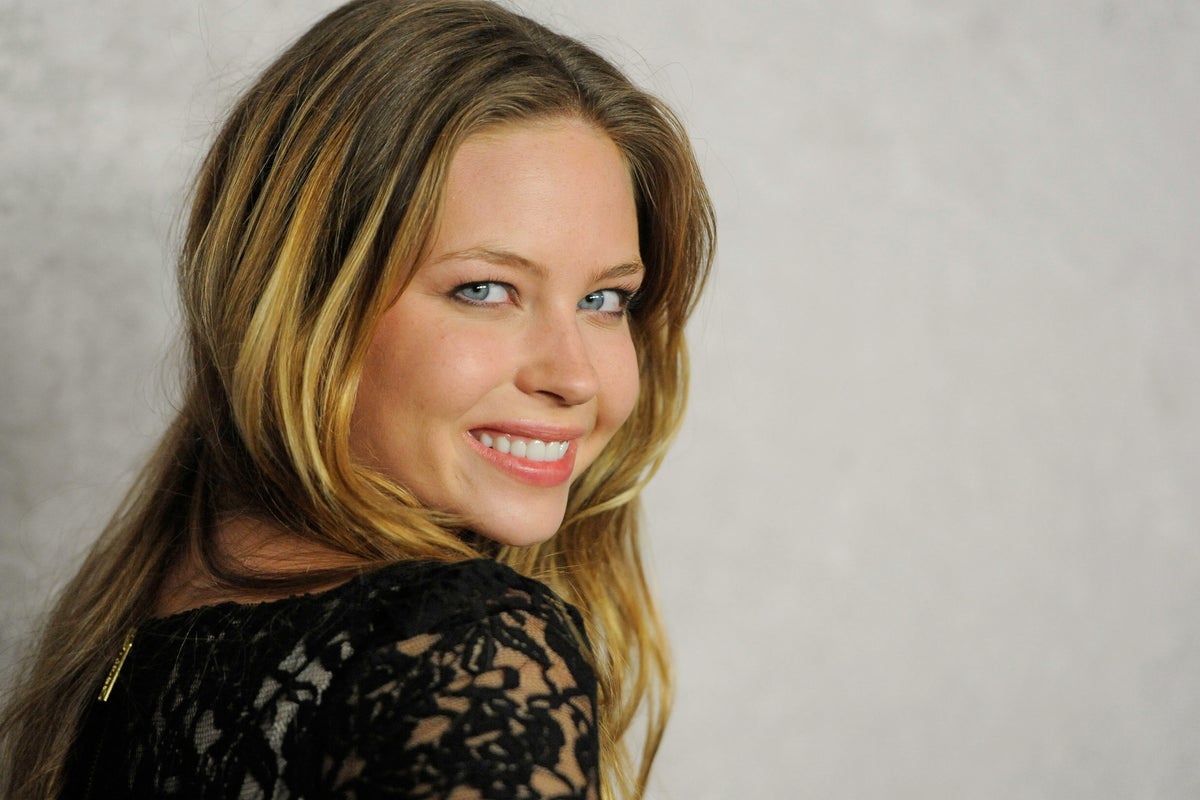
When the BBC restructured the presentation team in later years, moving toward the partnership of Tess Daly and Claudia Winkleman, the dynamic shifted but the core philosophy remained. They became the protective older sisters of the operation. Tess stood downstairs in the direct line of fire, offering a statuesque calmness amidst the chaos of the main floor. Claudia waited upstairs in the decompression chamber, a chaotic, fringed sanctuary of eyeliner and candy where contestants could finally breathe.
It was a delicate ecosystem. It worked because it balanced the grandeur of the ballroom with the intimacy of a backstage gossip session.
But television networks are restless beasts. The audience changes. The cultural temperature cools and warms in unpredictable cycles. A broadcasting institution cannot simply stand still and admire its own reflection; it must constantly audit its own heartbeat.
The Chemistry Experiment
You cannot manufacture chemistry in a television executive's office. You can put two immensely talented, charismatic individuals in front of a camera, throw millions of pounds at the set design, and still end up with something that feels like a corporate training video.
True broadcasting chemistry is a rare, volatile compound. It requires an alignment of timing, mutual respect, and a total absence of vanity. On a show like Strictly, the hosts cannot be competing for the spotlight. The moment a presenter starts trying to win the segment, the format collapses. The contestants are the story; the hosts are the narrators holding the book.
The recent confirmations by the broadcaster reflect an acute awareness of this balance. The decisions made behind closed doors were not just about filling slots in a schedule. They were about preserving an atmosphere. In an era where linear television is fighting a bloody, rearguard action against streaming algorithms and short-form video clips, Strictly Come Dancing remains one of the last true tribal gathering grounds for the British public.
It is the digital equivalent of the village green. If you change the people running the fair, you change the mood of the town.
What We Look for in the Dark
Why do we care so deeply about who guides us through a dance competition?
Perhaps it is because our own lives lack that specific brand of structure. We live in a world of complex, unresolved narratives. Our jobs don't end with a neat score out of ten from Craig Revel Horwood. Our personal triumphs and tragedies don't get a standing ovation and a shower of silver glitter at 7:50 PM every Saturday.
We watch ordinary people attempt extraordinary, unnatural things because we want to believe that discipline matters. We want to believe that if you put in the hours in a drafty rehearsal room in south London, you can transform your clumsy, everyday self into something sublime, even if only for two minutes.
The hosts are our proxies in that dream. They are the ones holding the tape at the finish line. When they look into the lens and welcome us back to the ballroom, they aren't just starting a television program. They are validating the entire absurd, beautiful, emotional spectacle of human effort.
The new lineup will face the inevitable scrutiny of the tabloids and the social media tribunals. Every line will be parsed, every outfit judged, every awkward transition clipped and analyzed. That is the price of admission for the biggest gig on the box.
But when the theme music swells this autumn, and the lights drop to a deep, expectant blue, the noise will fade. The first nervous celebrity will take their position on the floor, their heart hammering against their ribs like a trapped bird. They will look up, past the cameras, past the judges, searching for the line of sight of the people running the show.
They will be looking for a sign that it is safe to begin.
The lights will come up. The music will start. And the machine will turn once more.